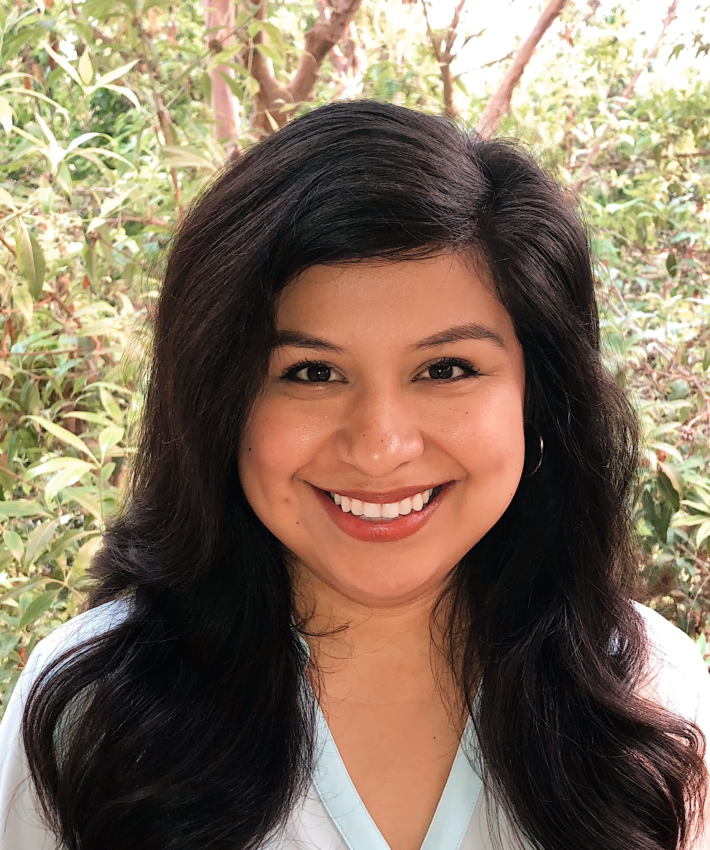
Many Latino youth face declining mental health amid the deadly COVID-19 pandemic, a racial/ethnic social justice movement, and economic hardships. Sadly, many aren’t getting the help they need, either. About 65% of Latino college students have mental health issues that go untreated, as they are less likely than their white peers to engage with campus mental health services, according to a new study from researchers at University of California, Riverside. “This means counselors can identify a culturally sensitive, value-driven approach to encouraging greater participation in campus mental health services, instead of focusing only on students’ ethnicity in their outreach efforts” said study senior author Kalina Michalska. “Given the increasing diversity among U.S. ...
Dr. Ángela Gutiérrez has always been passionate about health disparities research. “I had previously worked on health disparities research focusing on diabetes, fibromyalgia among Latinx communities, and I've done a lot of community-based research,” Gutiérrez said. So when the opportunity arose to apply to Éxito! Latino Cancer Research Leadership Training at UT Health San Antonio, Gutiérrez was thrilled to learn more. “It was through Éxito! that I realized the prevalence and importance of focusing on cancer disparities as well, not just focusing on diabetes and fibromyalgia,” Gutiérrez said. Participating in Éxito! helped Gutiérrez apply and get accepted to a PhD program in Community Health Sciences at the Fielding School of Public Health of the University of ...
Early education can make a huge impact on the lives of children — especially its effects on economic opportunities, college prep, and finding a good-paying job. Yet it is far too common for Latinos and other disadvantaged students to face barriers for quality K-12 education. That’s why The Brookings Institution, a nonprofit policy organization, recently published five policy recommendations that can make a huge difference in the education of Latino students. “Latino students in particular constitute a significant and growing portion of the U.S. student population yet are often overlooked in education literature because they are not the lowest performing demographic,” the report states. “We considered factors that may’ve influenced student performance, including both ...
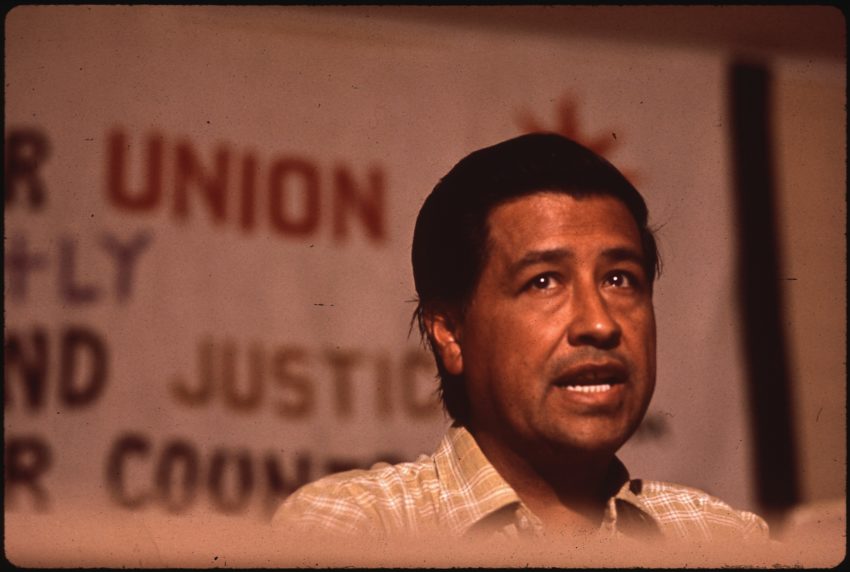
For years, Latino farmworkers suffered at the hands of corrupt businesses who underpaid laborers and took advantage of such workers. In response to these intolerant and harmful practices, one Latino stood up for the rights of his community — Cesar Chavez. He created organizations and led strikes focused on La Causa, “a movement to organize Mexican American farm workers.” Chavez’s action led to many protections for Latino workers throughout the U.S. For Chavez, it was his desire to help fellow Latinos that spurred his action. “We cannot seek achievement for ourselves and forget about progress and prosperity for our community,” he said. “Our ambitions must be broad enough to include the aspirations and needs of others, for their sakes and for our own.” For ...
Dolores Huerta taught us sí se puede—yes we can. This was Huerta's rallying cry as she inspired Latino farm workers to demand fair wages and better working conditions in the 1970s. In the decades after she co-founded the United Farm Worker's Union with César E. Chávez and made many gains for workers, she has continued to serve as a powerful voice to develop leaders and advocate for the Latino working poor, women, and children. Huerta, now 94, "travels across the country engaging in campaigns and influencing legislation that supports equality" and "speaks to students and organizations about issues of social justice and public policy," according to the Dolores Huerta Foundation. "A lot of people don’t realize that they actually can make a difference. That’s what we ...
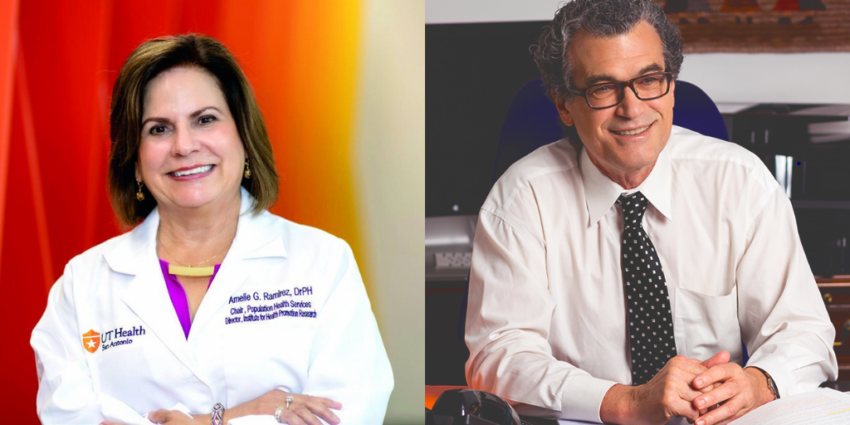
Health disparities have impacted Latinos for many years. Worse, the COVID-19 pandemic only worsened these inequities. Still, these issues have gained national attention, and, hopefully, spur action, change. Recently, experts from the National Institutes of Health and UT Health San Antonio joined our Salud Talks podcast to discuss the COVID-19, health inequities, and the struggles Latinos face in the US today. Listen to the Salud Talks Podcast, Salud Talks Podcast, Episode 37: “COVID-19 and Health Disparities Impacting Latinos,” as we dive into the health inequities affecting Latinos during the pandemic with two celebrated medical experts! listen! WHAT: A #SaludTalks discussion about the COVID-19, historic health disparities, and how these factors have impacted the ...
Hispanic Heritage Month, which runs from Sept. 15 to Oct. 15, is a time to celebrate and remember Latin American history. For teachers, it’s an excellent opportunity to bring fun activities into the classroom. Here are some suggestions to incorporate history, art, literature, and more on Hispanic Heritage Month for your classroom.
Start by Recruiting Latino Parents & Students to Help for Hispanic Heritage Month
If you have Latino students in your classroom, they may be interested in sharing their culture with the class. Having parents or students come in and share their personal stories and cultural traditions can be an enriching way for your class to learn. You can email students and parents asking if anyone is interested in collaborating on the Hispanic Heritage Month ...
Hispanic? Latino? Latinx? People often debate the best term to use when describing the ethnicity of those who trace their heritage from Latin America and Spain, who comprise 18.5% of the U.S. population. “There’s no correct term to use, and appropriateness varies when using Latino, Hispanic, Latinx, or country of origin,” said Dr. Amelie G. Ramirez, director of Salud America! at UT Health San Antonio. Let’s talk about the origins of these terms, who uses them, and what the data says about this population’s own preferences.
The Origin of “Latino”
The term we use at Salud America! to describe this group is “Latino.” “Latino,” or the feminine “Latina,” is used to describe people with ancestry from Latin American countries. Unlike “Hispanic,” the ...
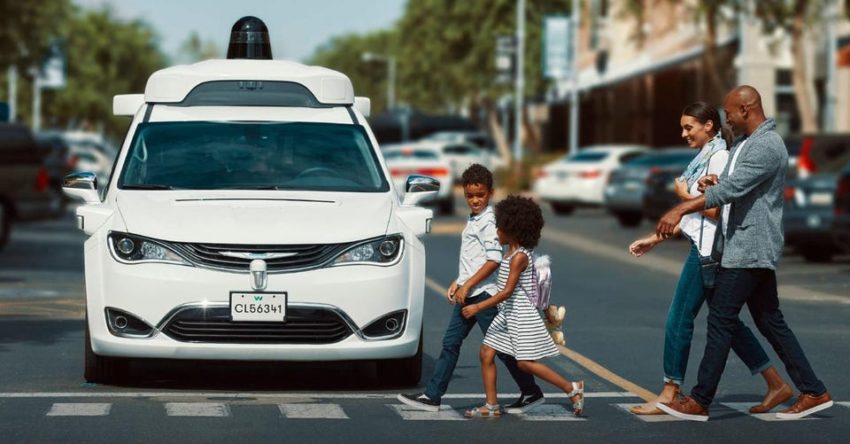
Pedestrian fatalities have increased 50% since 2009. Autonomous vehicles—those driven by automated driving systems rather than a human—are often suggested as a solution by politicians, planners, even some safety advocates. But with our nation’s struggle to regulate the automobile industry and failure to protect people walking, many worry about the decades-long shift to autonomous vehicles because cars will still dominate roads and road design. Moreover, many worry that electric driverless vehicles district from the social, economic, and health issues cities are facing today. “Public health will benefit if proper policies and regulatory frameworks are implemented before the complete introduction of [autonomous vehicles] into the market,” according to David Rojas-Rueda ...