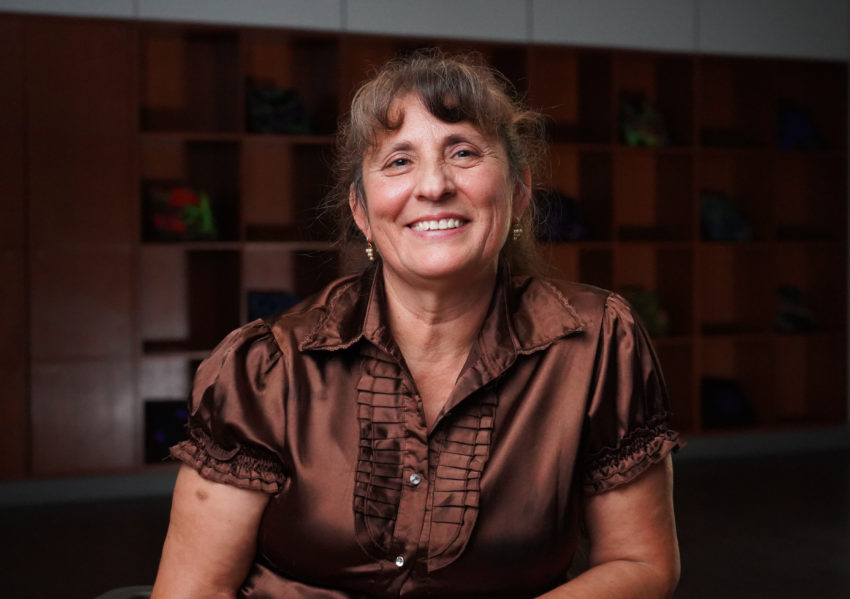
Breast cancer is the top cause of death for Latinas. But Alma Lopez has been a breast cancer survivor for more than 15 years. She believes participating in a clinical trial at UT Health San Antonio helped her get better treatment and better long-term health in her survivorship journey. “Clinical trials are great for finding new treatments that help people,” Lopez said. “And it helps the scientists. It gives opportunity to better medication for all populations. It builds a better future.”
Lopez Chooses a Breast Cancer Clinical Trial
About 15 years ago, Lopez was diagnosed with breast cancer. Lopez began weighing her treatment options. At first, she had doubts about whether to volunteer for a clinical trial. She thought it might take too much time, or cause ...
El cáncer de Seno es la causa principal de muerte en las latinas. Pero Alma López ha sido una sobreviviente de cáncer de seno por más de 15 años. Ella cree que su participación en un estudio clínico de UT Health San Antonio la ayudó a tener un mejor tratamiento y a largo plazo una mejor salud en su camino de supervivencia. "Los estudios clínicos pueden encontrar tratamientos nuevos que ayudan a las personas", dijo López. "Y ayudan a los científicos. Ofrecen la oportunidad de tratamientos mejores para todas las poblaciones. Construyen un futuro mejor".
López Decidió Participar en un Estudio Clínico de Cáncer de Seno
Aproximadamente hace 15 años, López fue diagnosticada con cáncer de seno. López comenzó a considerar sus opciones de tratamiento. Al ...
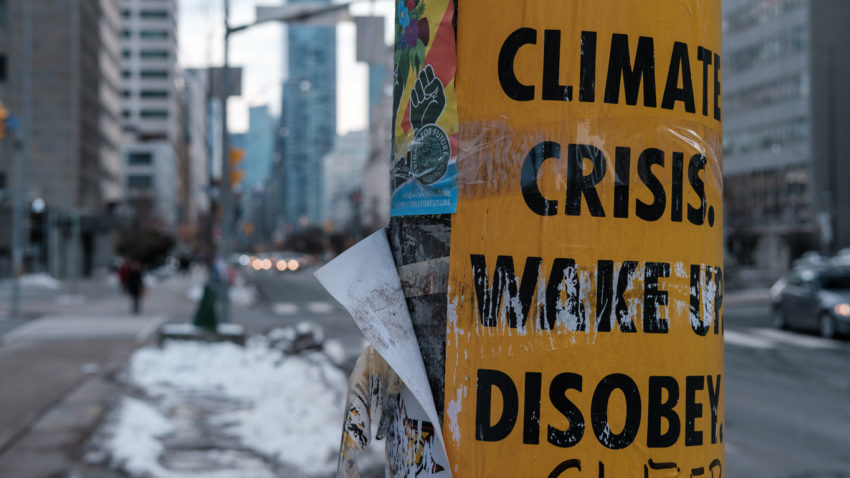
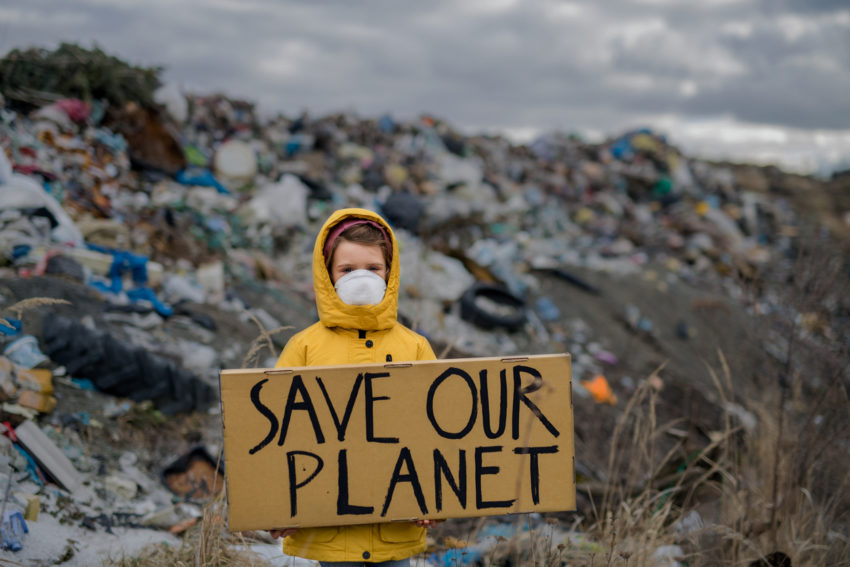
Climate change is an ongoing environmental dilemma that threatens the health of all people. Yet, research has shown that certain groups, such as Latinos and other people of color, immigrants, those with a lower socio-economic status, and vulnerable occupational groups are most likely to suffer longer and more severely from climate change. “The effects of climate change add to other longstanding differences among people that result in different health outcomes for communities in the United States,” reported the U.S. Department of Health & Human Services.
What Is Climate Change?
Climate change is defined as a long-term shift in global or regional climate patterns. Long-term alterations in temperature or the typical weather patterns of a certain location can lead to ...
As part of its draft Strategic Plan for 2022-2026, the Department of Health and Human Services (HHS) is looking for feedback from the public. The plan has five strategic goals for how the department will achieve its mission: Protect and Strengthen Equitable Access to High Quality and Affordable Health Care
Safeguard and Improve National and Global Health Conditions and Outcomes
Strengthen Social Well-being, Equity, and Economic Resilience
Restore Trust and Accelerate Advancements in Science and Research for All
Advance Strategic Management to Build Trust, Transparency, and Accountability At Salud America!, we believe that improving healthcare by making it more accessible and culturally tailored for people of color will help build health equity. This means ...
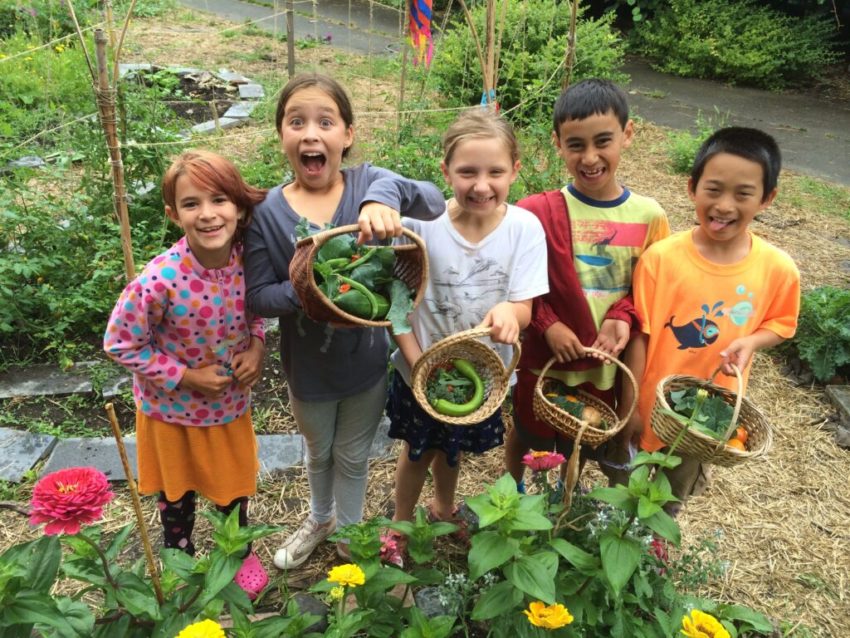
One in six U.S. youth have obesity, but the issue is worse among Latinos and other youth of color, according to a new report from the Robert Wood Johnson Foundation (RWJF). More than one in five Latino (21.4%), Black (23.8%), and American Indian/Alaska Native (28.7%) children ages 10-17 have obesity. The reasons? Structural racism and systemic health inequities. Racist policies and discriminatory practices affect our food system, access to healthcare, affordable housing, and critical family supports like childcare, the RWJF report says. Together, the effects of these policies and practices force families into hard choices on how to spend limited resources, especially during COVID-19. “The state of childhood obesity in America is an urgent call to action for leaders at all ...
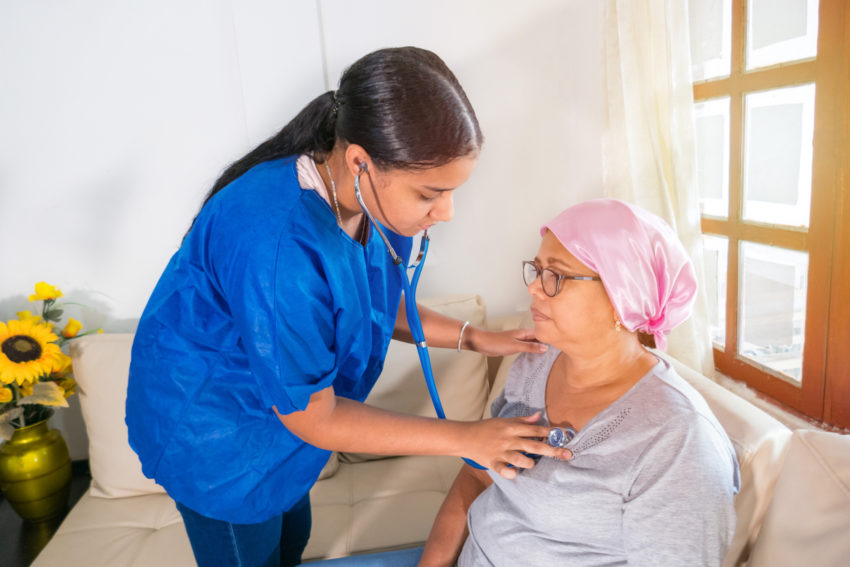
Simple logistics—availability, childcare, and time—stop some Latinas and other women of color from volunteering for breast cancer clinical trials, according to a new survey. The survey, led by For The Breast of Us, an online breast cancer survivor community, and Sommer Consulting, found that the anticipated time demands of a clinical trial may appear "too intimidating." Most women of color struggle with multiple demands in their lives. The perceived or real logistics of participating in a clinical trial could make it harder. One respondent said: “You still have to worry about how am I going to run my household, especially as a woman of color, who typically a lot of times are single-family or single-parent households." "The results of this survey demonstrate how ...
Education is critical in childhood development, yet Latino kids across the U.S. face systemic injustices in their schools and communities. Whether it is living in child care deserts, language issues and immigrant status, unengaged parents, childhood trauma, discipline, segregated school districts, and a lack of state funding in—many Latinos are left behind in education compared to their white peers. That’s why the U.S. government is taking action for Latino education, according to a recent executive order signed by President Joe Biden in September 2021. “We must enable Hispanic and Latino students to reach their highest potential through our Nation’s schools and institutions of higher education,” the executive order says. “The Federal Government must also collaborate ...
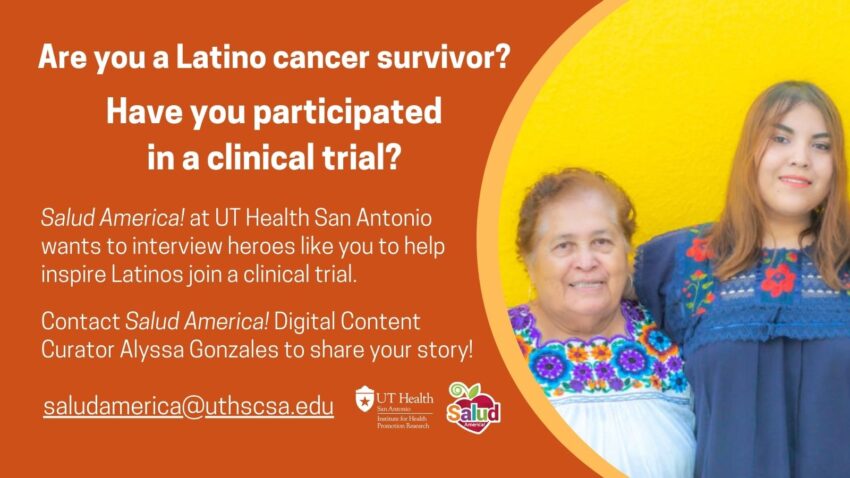
Are you Latino? Have you participated in a clinical trial related to cancer, Alzheimer’s, or another condition? If so, we want to talk with you and share your story! Salud America! is looking to interview and write stories about heroes like you — Latinos who have participated in a clinical trial — to showcase the benefits of volunteering to inspire other Latinos to volunteer, too. Dr. Amelie G. Ramirez’s Salud America! program at UT Health San Antonio is sharing the stories of clinical trial heroes with the support of Genentech, a member of the Roche Group. “Clinical trials are studies that help researchers learn more and more to help slow, manage, and treat Alzheimer's and cancer,” Ramirez said. “Clinical trials help us fight for our familia.” To share ...
Climate change is making life harder for Latinos and other communities of color. A groundbreaking 2019 study estimated that Black and Latino populations experience 56% and 63% more pollution respectively than their activities cause. Cities across the U.S. will experience harsher extreme weather events and increases in daily temperatures, and some might no longer be inhabitable. How can we help? Let’s use #SaludTues on Tuesday, Nov. 2, 2021, to discuss emerging strategies to reduce the use of harmful chemicals and toxins, promote clean indoor and outdoor air, and engage Latinos in speaking up for a cleaner climate and environment! WHAT: #SaludTues Tweetchat “The Climate Crisis and Latinos”
WHEN: 1-2 p.m. ET (Noon-1 p.m. CT), Tuesday, Nov. 2, 2021
WHERE: ...