Dr. Amelie G. Ramirez’s Éxito! Latino Cancer Research Leadership Training program at UT Health San Antonio has been named a winner of Excelencia in Education’s “Examples of Excelencia.” The awards spotlight evidence-based programs that support Latino students in higher education. Éxito! was a finalist in 2018, 2019, and 2021. Excelencia in Education, a national group that promotes Latinos in higher education, announced the winning “Examples of Excelencia” on Oct. 28, 2021, in four categories—associate, baccalaureate, graduate, and community-based organizations. Watch the announcement. Éxito! won in the graduate category. "The four stand out programs are models of culturally responsive, asset-based efforts with evidence of effectiveness in recruiting, ...
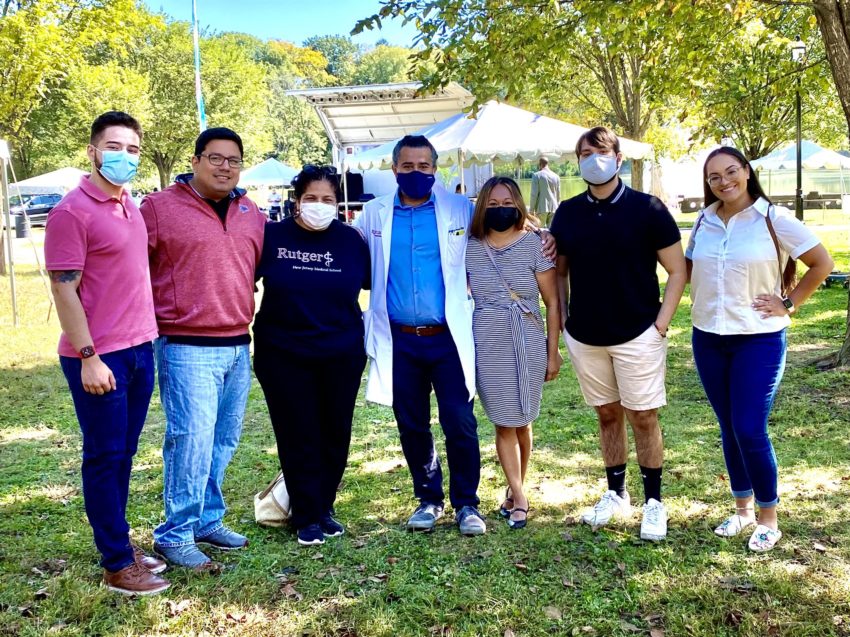
The Rutgers Community Health Justice Lab is inviting Latinos to complete this brief anonymous survey to understand the long-term impacts of COVID-19 on Latino health. The survey, which takes 45 minutes to complete, is available in Spanish and English. You can also enter a raffle for one of five $100 gift cards. "Understanding how Hispanics and Latinos have been impacted by the COVID pandemic is critical to guide efforts in reducing health inequity," according to survey creators Pamela Valera and Humberto Baquerizo and their team at Rutgers University.
Why Latinos Should Participate in this COVID-19 Survey?
COVID-19 has disproportionately impacted the Latino community. COVID-19 pandemic is worsening historical inequities among racial/ethnic minorities. “This is robbing ...
The term “infectious disease” covers a wide range of harmful illnesses. Influenza, chickenpox, and COVID-19 are some infectious diseases caused by germs or viruses that sicken people and can spread to others. Latinos face a heavier burden than their peers for several infectious diseases, from HIV/AIDS to coronavirus to tuberculosis. Fortunately, we can each do our part to prevent infectious disease — including learning more about them. “Infectious disease may be an unavoidable fact of life, but there are many strategies available to help us protect ourselves from infection and to treat a disease once it has developed,” according to the National Center for Biotechnology Information.
What is Infectious Disease?
The kinds of organisms that can transmit infectious ...
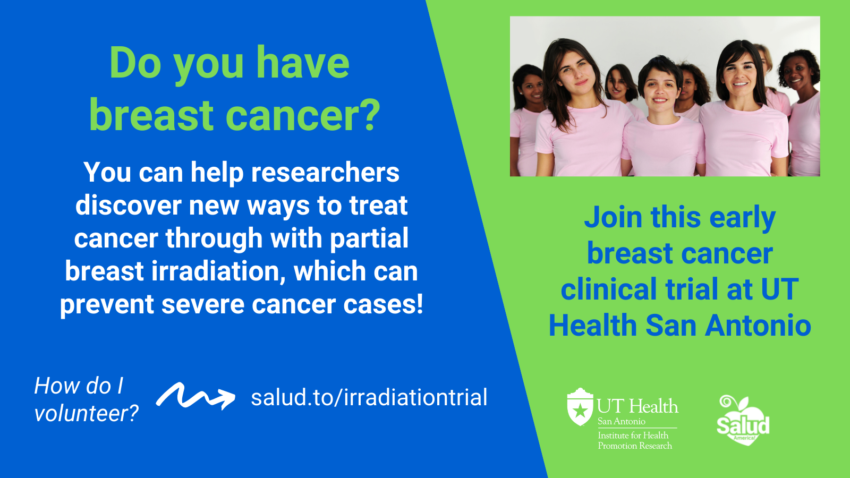
Latinas have lower rates of breast cancer than other groups. Sounds like good news, right? The bad news is that the Latina breast cancer rate has been rising over the past decade, and breast cancer is still the top cause of death for Latinas. Fortunately, we have clinical trials. Clinical trials are studies to find more effective treatments, which can help current cancer patients, and better understand cancer to help future Latino survivors. You can help the cause by volunteering for the Partial Irradiation and Sequential vs. Concurrent Chemo Early Breast Cancer Clinical Trial at Mays Cancer Center at UT Health San Antonio. The trial, for women ages 18-100, including Latinas, aims to protect women against severe cases of breast cancer. “We need Latina volunteers for ...
By Roxy Harrison
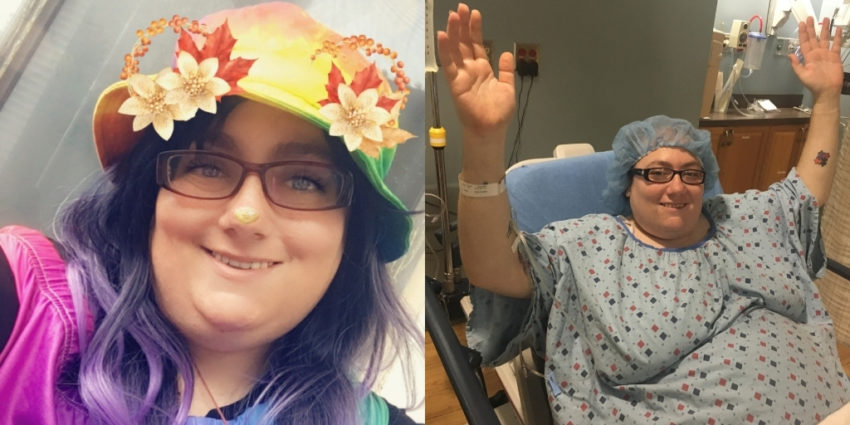
Breast Cancer Survivor in San Antonio My name is Roxy Harrison and these are my miracle stories. My diagnosis story of both breast and ovarian cancer are a miracle! I noticed some discolouration under my right breast. I ignored it for a couple of months. It wouldn’t hurt but sometimes it would itch. I showed it to my primary care doctor. She said it’s probably just a heat rash, but if you’re concerned you can get a mammogram done. I was 37 so I wasn’t too worried. I did the mammogram, which I refer to as making pancakes. They call me back 2 weeks later that they want to do another one to compare. Why they would think something could change in 2 weeks is beyond me, but no problem. I do another one. Then they wanted me to do an ...
As the COVID-19 pandemic continues to spread, public health experts are focusing on addressing concerns with vaccine efficacy and safety for those who remain hesitant. That’s why the Societal Experts Action Network (SEAN) of the National Academies of Sciences, Engineering, and Medicine has put together a toolkit of communication strategies for people who are unsure about the vaccine, parents who are thinking of vaccinating their children, and strategies for engaging with specific communities, such as Latinos. “In a rapidly evolving situation, where new evidence is continually emerging, state and local decision makers must be ready to frequently adjust and adapt their communication and messaging strategies to meet public needs,” write the authors of the toolkit, Emily Brunson, ...
¿Es usted un sobreviviente de cáncer Latino? ¡Participe en el estudio Avanzando Caminos de UT Health San Antonio! Avanzando Caminos tiene como objetivo inscribir 1.500 sobrevivientes de cáncer Latinos en el Sur de Texas y 1.500 más en Miami para estudiar las influencias sociales, culturales, mentales, biológicas y médicas que afectan la vida después del cáncer. El estudio es patrocinado por el National Cancer Institute. En South Texas, el estudio está dirigido por la Dra. Amelie G. Ramirez de UT Health San Antonio y el Mays Cancer Center. “Con la ayuda de nuestros sobrevivientes de cáncer latinos, podemos ayudar en el futuro a que otros sobrevivientes de cáncer latinos sanen, se recuperen y reduzcan su riesgo de que el cáncer regrese”, dijo Ramirez, quien ...
Are you a Latino cancer survivor?
Volunteer for the Avanzando Caminos study at UT Health San Antonio!
Avanzando Caminos aims to enroll 1,500 Latino cancer survivors in South Texas and 1,500 more in Miami to help unpack the social, cultural, behavioral, mental, biological, and medical influences on post-cancer life. The study is funded by the National Cancer Institute. The South Texas site is led by Dr. Amelie Ramirez of UT Health San Antonio and Mays Cancer Center. "With the help of Latino cancer survivors, we can help future Latino cancer survivors heal, recover, and reduce the chance for cancer to come back," said Ramirez, who also leads the Salud America! program at the Institute for Health Promotion Research at UT Health San Antonio. To volunteer for ask questions, go ...
Jeraldine Ortiz knows that breast cancer is tough for Latinas. Breast cancer is the top cause of Latina death. This stems from cultural barriers to care, low screening rates, and low participation in clinical trials studies trying to find better treatments. This is why Ortiz, when diagnosed with breast cancer, volunteered for a clinical trial. Today, after more than 15 years as a cancer survivor, Ortiz said she strongly believes her participation in a clinical trial at UT Health San Antonio helped her get better treatment and better quality of life in her post-cancer journey. “Clinical trials give the opportunity to better treatment for all populations," Ortiz said. "We have a better future."
Ortiz Chooses a Breast Cancer Clinical Trial
In 2006, Ortiz was diagnosed with ...