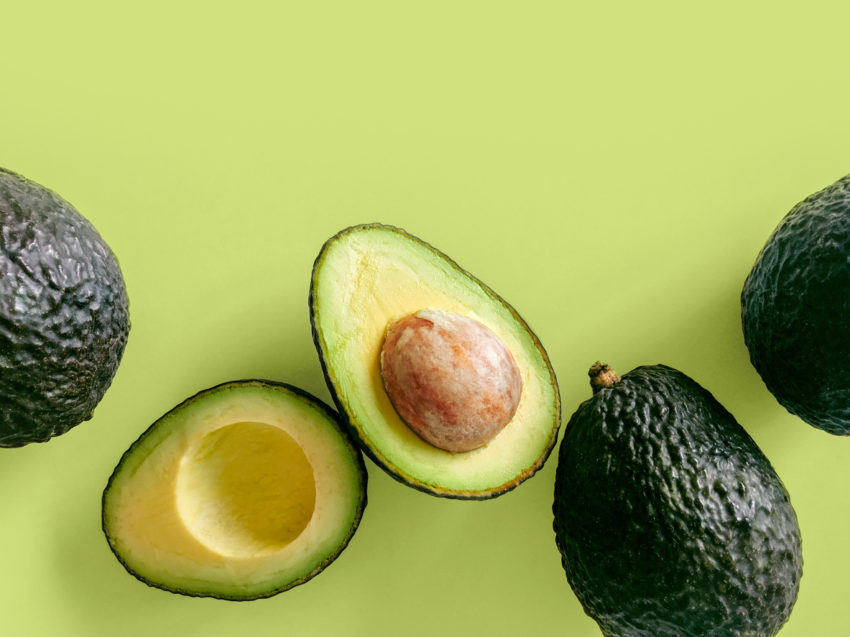
Avocados are a key part of a nutritious diet for Latino families, according to new research from the University of California San Diego School of Medicine and the Herbert Wertheim School of Public Health and Human Longevity Science. Researchers compared Latinos families who consumed a few avocados (three per week) and families who consumed a lot of avocados (14 per week) along with a standard nutrition intervention over six months. Latino families who ate more avocados reported consuming fewer calories, saturated fats, and sodium, which are major contributors to obesity among Latinos. They also had healthier hearts in terms of structure and function “Recent trials have focused on individuals, primarily adults, and limited to changes in cardiometabolic disease blood markers. ...
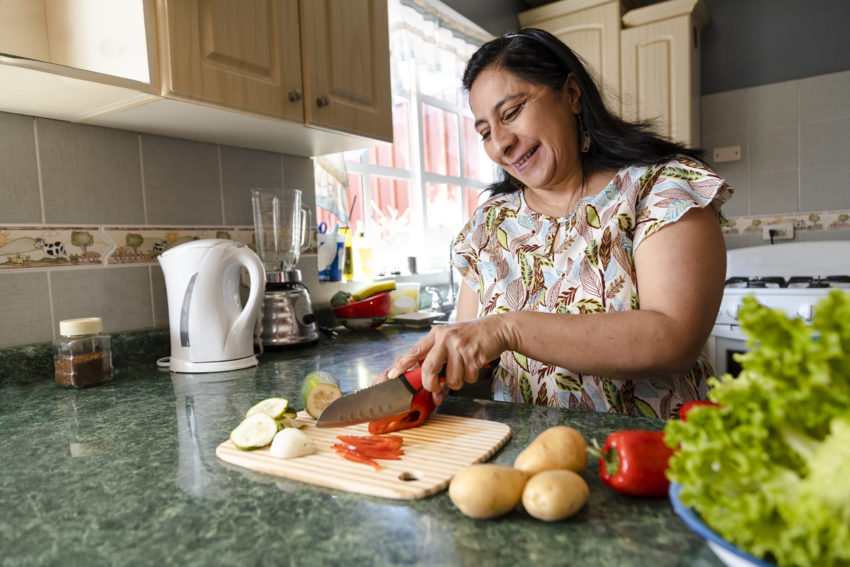
Childhood is critical for building healthy eating behaviors that can help your child grow and prevent chronic diseases. That’s why Healthy Eating Research (HER) has developed new guidelines that can help parents decide not only what to feed young kids aged 2 to 8, but how to feed them and introduce lifelong healthy habits. These guidelines apply to all parents, but it can be particularly helpful to Latino parents, as Latino kids are more likely to develop chronic health issues like high blood pressure and obesity and are often in schools with few healthy options.
How Should You Encourage Kids to Try New Foods?
To create these guidelines, HER gathered a national panel of 15 experts in child development and nutrition. They developed strategies to help parents get their children ...
New data from the American Heart Association shows that Latinos who eat healthily have healthier hearts. This research shows that Latinos who followed a healthy dietary plan had healthier hearts in terms of structure and function. “Healthy diet quality is an important and vital tool in the prevention of heart disease,” said lead study author David Flomenbaum, a medical student at the Albert Einstein College of Medicine in New York City. “Many of our results correspond to current knowledge about diet quality and cardiovascular health.”
The Study and Its Findings on Healthy Eating and Heart Health Researchers evaluated over 1,800 participants in the “Echocardiographic Study of Latinos” ancillary study. With this, they compared adherence to two popular healthy ...
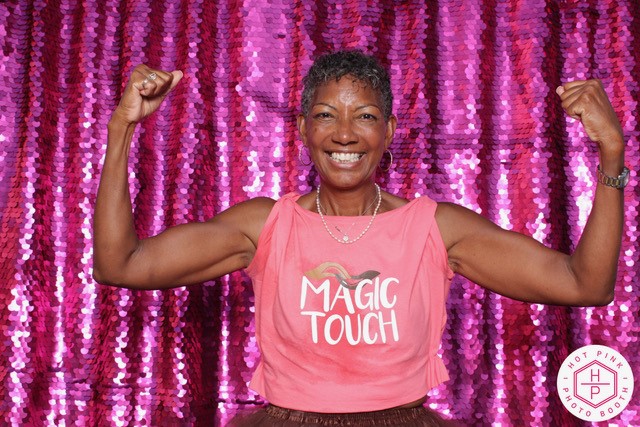
When it comes to triple negative breast cancer, Ricki Fairley is a veteran on the battlefield. “I am a 10-year survivor of triple negative breast cancer. My doctor gave me two years to live, and I'm on 10,” Fairley said. Fairley is the CEO and co-founder of TOUCH—the Black Breast Cancer Alliance. She is determined to diversify clinical trials, which can help find better therapies for Black, Latino, and other people of color. “I'm really on a path, a mission to eradicate Black breast cancer and really change the game on how we talk to Black women about clinical trials. And right now, we only have 3% participation in clinical trials. So, the drugs that are currently on the market and the ...
As a teenager, Hilda Ramirez saw how the educational system did not support Latino students, limiting their chances for academic success and future mental and physical health. These inequities in education led Ramirez to a career in advocacy for Latinos. Today, as the executive director of the Latino Education Institute and a representative of the Latino Empowerment and Organizing Network (LEON), she advocates for the well-being of Latino youth in Worcester, Massachusetts (21.9% Latino). She recently helped create a seven-member commission in Worcester city government organizational to examine the impact of local policy on Latinos. This work is critical in promoting and encouraging legislation that will benefit the Latino community and address health inequities in education ...
A wage gap between Latino and white workers is a large factor in preventing economic mobility for Latinos, according to a new study by McKinsey & Co. The gap is particularly large for Latino immigrants, who are paid far less in the same job categories as other workers. “The median wage for foreign-born Hispanics is $31,700 compared to $38,848 for those born in the U.S. For non-Latino white workers, the number goes up to $52,942,” according to NBC Latino. With low wages and fewer opportunities for fields that offer career growth, Latinos are at a disadvantage and are more likely to struggle to meet basic needs like housing, food, healthcare, and more. This, in turn, heightens their risk for disease and poor health outcomes. Let’s learn how low wages and other barriers ...
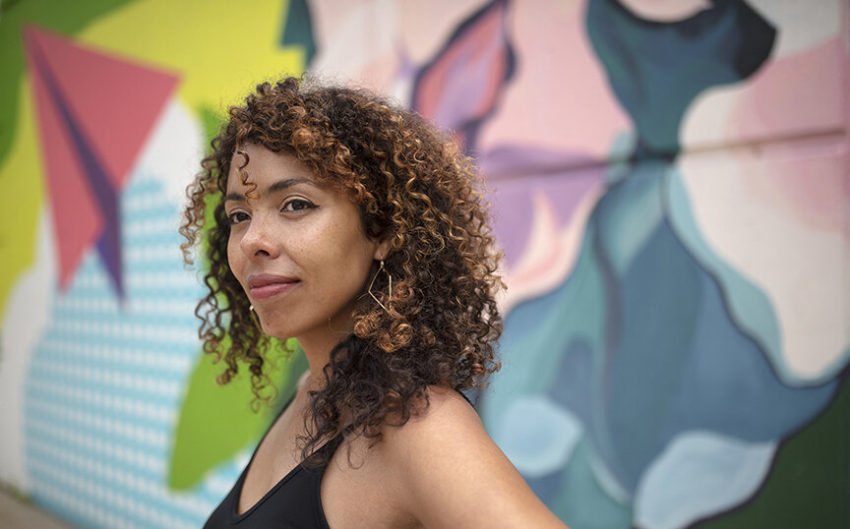
If one were to walk in the streets of Boston and see a colorful mural, there’s a big chance Silvia López Chavez created that masterpiece. López Chavez is a Dominican-American visual artist changing the meaning of advocacy. Throughout her career she has created many murals with bold and vivid colors capturing Latino traditions and culture while emphasizing the intersection of art design and community issues like the environment and healthy food. “I think that as an artist, I feel the responsibility of being someone who is not only creating art, to change and transform spaces, but also people,” López Chavez said. “And I think that my goal is to be able to connect as much as possible using art as a vehicle for connection with others to myself, to others and also ...
Over 60 members of Salud America! endorsed our public comment to the Department of Health and Human Services (HHS) in their request for feedback on as part of its draft Strategic Plan for 2022-2026. The draft was open for comment from Oct. 7 to Nov. 7, 2021. At Salud America!, we believe that improving healthcare by making it more accessible and culturally tailored for Latinos and other people of color will help build health equity. We believe this is possible through increasing diversity among research leaders and clinical trial participants, eliminating implicit bias in the doctor’s office, and hiring healthcare workers who can provide culturally relevant patient care. That’s why we submitted a comment from our leader, Dr. Amelie Ramirez.
Dr. Amelie Ramirez’s Comment ...
Each year, more than 14,000 people are diagnosed with cervical cancer in the United States. This cancer is especially hurting communities of color, with Latinas at a high risk of a diagnosis. But cervical cancer is preventable. Stopping cervical cancer for Latinas and all communities means equitable education about the causes, prevention, and treatment of HPV and cervical cancer. Join #SaludTues at 1 p.m. EST on Jan. 4, 2022, to tweet about how we can stop cervical cancer in celebration of Cervical Cancer Awareness Month in January. WHAT: #SaludTues Tweetchat: “What Can We Do to Stop Cervical Cancer?”
DATE: Tuesday, Jan. 4, 2022
TIME: 1:00-2:00 p.m. EST (10:00-11:00 p.m. PST)
WHERE: On Twitter with hashtag #SaludTues
HOST: @SaludAmerica
CO-HOSTS: ...