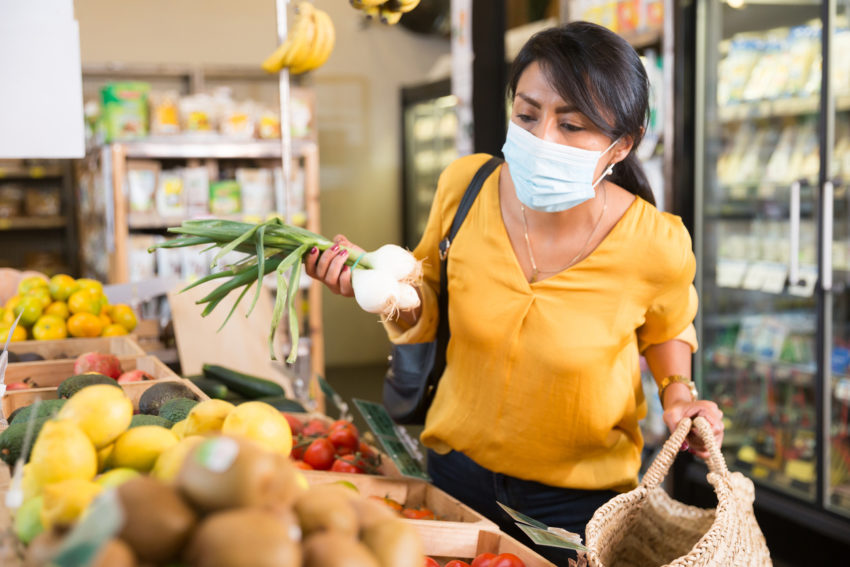
A healthy diet is critical for the wellness of Latinos and all people. Yet we know that fast-food options outnumber healthier options like supermarkets and farmers’ markets in many Latino neighborhoods. This lack of healthy food access results in overconsumption of unhealthy foods and higher obesity risk. Now the lack of variety among registered dieticians is making it harder for Latinos to get knowledge and resources for a healthy diet, according to The New York Times. In fact, Latinos make up only 12.7% of registered dieticians, according to Zippia. That is less than the 18.5% Latino share of the U.S. population. “It’s really a no-brainer that we need to consider the communities we serve,” said Doug Greenaway, president of the National WIC Association, according to ...
Cancer survivors face the possibility that cancer will come back after treatment. Clinical trials are studies that help researchers learn more to help slow, manage, and treat cancer, as well as prevent cancer recurrence. If you have had bladder cancer, you can volunteer for a bladder cancer prevention clinical trial that is studying encapsulated rapamycin (eRapa) and its ability to reduce the risk of bladder cancer recurrence. This trial is led by researchers across Texas, including UT Health San Antonio, UT Southwestern Medical Center, and South Texas Veterans Health Care System, to explore new ways to prevent bladder cancer from coming back. “Unfortunately, people who’ve had bladder cancer have a high risk of developing a second bladder cancer,” said Dr. Amelie ...
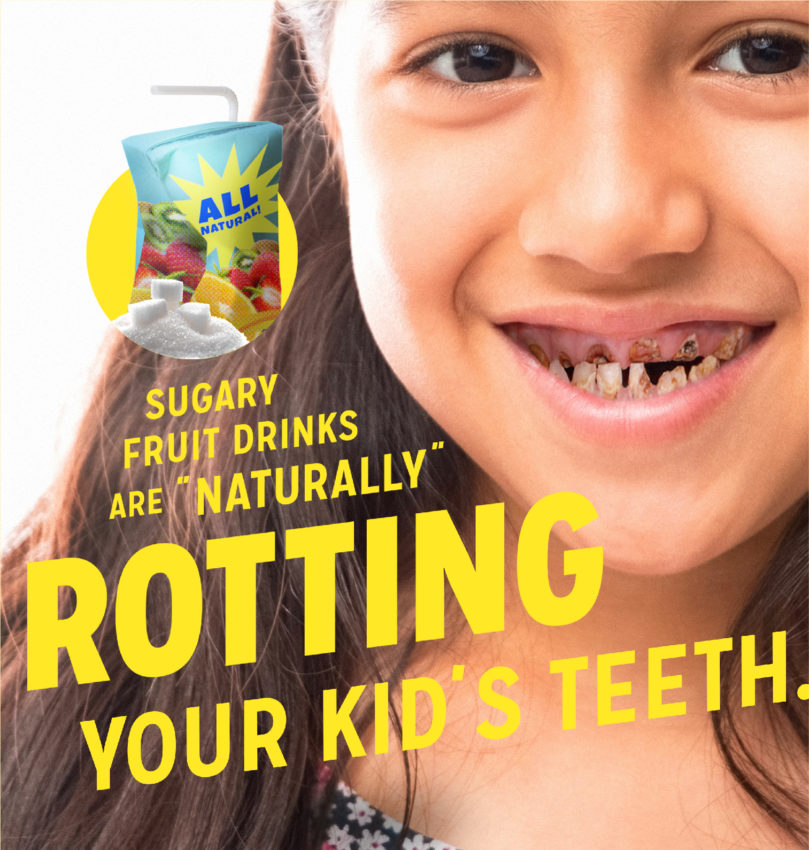
Young Latino kids drink too many sugary fruit drinks. Unfortunately, sugary fruit drinks that claim to be natural are often just fruit-flavored beverages that have added sugar and are just as unhealthy as soda. This is a contributing factor to the high rates of obesity, diabetes, high blood pressure, and cardiovascular issues that Latino kids often face. That’s why there’s a new toolkit called “The Truth About Fruit Drinks” from researchers at the University of Washington, University of Pennsylvania, and Interlex Communications with support from Healthy Eating Research and the Arcora Foundation. “This toolkit contains an evidence-based social media messaging campaign for countering beverage industry marketing and decreasing the purchase of fruit drinks by Latino ...
Background plays a significant role in determining home energy use, emissions, and cost burden, according to a study by the University of Michigan and McGill University. Majority-White neighborhoods had the highest per-capita emissions, researchers found. In African-American neighborhoods, emissions were 90% of those in White neighborhoods. Latino neighborhoods had the lowest per capita emissions, at only 60% of White neighborhoods. Yet overlooked communities have higher energy rates than what they produce, adding yet another difference that harms health outcomes among this population and other populations, according to study co-author Tony Reames of the University of Michigan. “People that are struggling financially and then have high energy burdens are forced ...
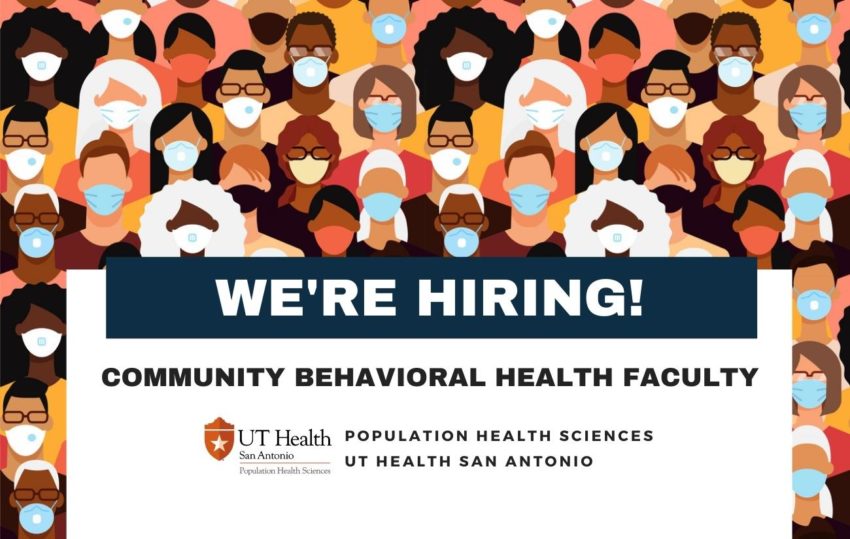
The Department of Population Health Sciences at UT Health San Antonio — home to the Salud America! program in the Institute for Health Promotion Research — is seeking two applicants for open-rank faculty positions in community behavioral health and biostatistics. The two positions will also serve in the Population Science and Prevention research program at the Mays Cancer Center, a National Cancer Institute-designated cancer center at UT Health San Antonio. Go here to apply or learn more about the community behavioral health position. Go here to apply or learn more about the biostatistician position. "Our goal is to recruit two faculty members who will establish meaningful community-based and community-engaged research in our 38-county catchment area of South Texas," said ...
Latino immigrant families experience greater threats from a negative immigration climate that can lead to increased anxiety for children and difficulty paying attention in school, according to a new study from the American Psychological Association (APA). “We found substantial variability in perceived immigration threat, with immigrant parents and Latino parents reporting significantly greater levels of immigration threat compared to nonimmigrant parents and non-Latino parents,” according to APA. Heightened anxiety and other negative mental health issues can greatly affect Latino children in their development. Let’s explore the impact of anti-immigrant rhetoric on Latino kids and what steps we can take to support Latino youth mental health.
What Does the APA Report Say ...
Many Latino families struggle to get enough food to feed their families. Even if they do get enough food, what they have access to is often unhealthy and nutritionally vacant. This contributes to a higher risk for adverse health conditions such as diabetes, heart disease, and other health conditions. We need nutrition security. This means having consistent access to and availability and affordability of foods and drinks that promote well-being, while preventing — and, if needed, treating — disease. In honor of American Heart Month in February and National Nutrition Month in March, let’s use #SaludTues on Tuesday, Feb. 1, 2022, to discuss emerging strategies to change environments, systems, and policies to encourage nutrition security and healthier hearts for Latinos and ...
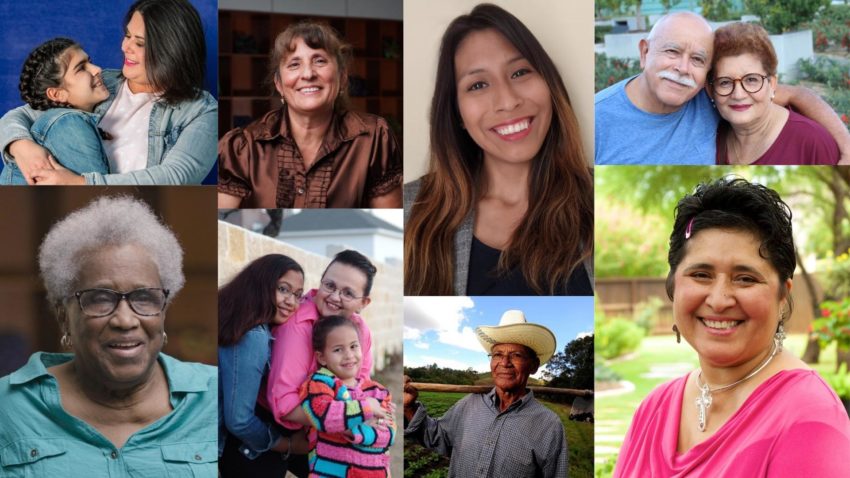
Cancer and Alzheimer’s hurt many of our abuelos, moms, dads, and others we love. Clinical trials help us fight for our familia. Clinical trials are studies that help researchers learn more to help slow, manage, and treat Alzheimer’s and cancer for current and future family members. But without Latino volunteers for clinical trials, the benefits may miss this group. Visit our clinical trials page to find a clinical trial, read about hero volunteers, and more! Share your story with us! “Latinos in clinical trials are not only helping themselves, but they’re also building a future with better treatments that can help their families in the future,” said Dr. Amelie Ramirez, director of the Institute for Health Promotion Research and Salud America! at UT Health San ...
As the Pfizer-BioNTech, Moderna, and Johnson & Johnson COVID-19 vaccines continue to be distributed across the country, several states are reporting the demographic makeup of their vaccine distribution numbers. Initially, Latinos made up a very low percentage of those getting a vaccine, despite being hurt more by COVID-19. However, in the summer and fall of 2021, more and more Latinos got vaccinated, according to data from the Kaiser Family Foundation. Still, inconsistencies for Latinos persist in different states. Differences in education level, political affiliation, and health insurance also add to the vaccine gap. As some states begin to release data on booster shots, data shows that Latinos are getting boosted at lower rates compared to other groups. Let’s take a ...