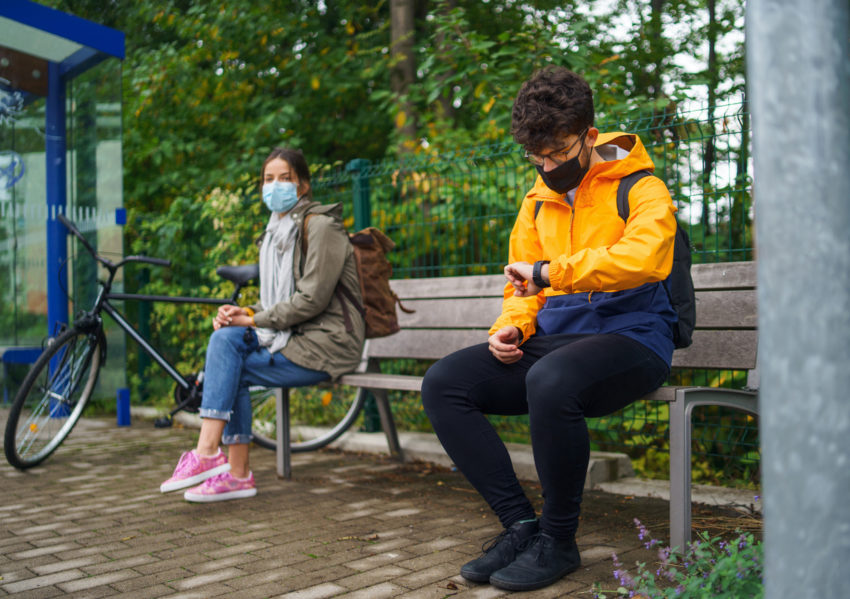
Inadequate transportation can hurt a person’s social, economic, and health outcomes. But planners and policymakers have not had a good tool to measure transportation insecurity—a condition in which one is unable to regularly move from place to place in a safe or timely manner due to the absence of the material, economic, or social resources needed for transportation. So, in 2018, researchers from University of Michigan and others created a tool to explore transportation security modeled after the Food Security Index and based on interviews with families living in poverty. They call it the Transportation Security Index. In 2021, they validated the 16-question index using a nationally representative sample. “We hope [the Transportation Security Index 16] will be adopted ...
UT Health San Antonio is known for doing everything it takes. Everything it takes to treat COVID-19 patients, to change our teaching methods on a dime, to pass health provider exams on the first try, to partner in our community, and to find new cures for dreaded diseases. Our team at Salud America!, which is led by Dr. Amelie G. Ramirez at UT Health San Antonio, is excited to share the university's new “Everything It Takes” campaign. Ramirez is featured in the campaign. Visit EverythingItTakes.org. The campaign will have TV, radio, print, and digital ads. This includes Spanish-language materials, like this radio spot and this one. "We want all of San Antonio and South Texas to know that we’ll do 'Everything It Takes' to serve the health needs of patients in our region ...
Many children in the U.S. have lost a parent or caregiver due to the COVID-19 pandemic. In fact, 1 in 500 U.S. children have experienced COVID-19 associated orphanhood, and Latinos and others of color are particularly affected, according to a new study in the journal Pediatrics. “From April 1, 2020 through June 30, 2021, data suggest that more than 140,000 children under age 18 in the United States lost a parent, custodial grandparent, or grandparent caregiver who provided the child’s home and basic needs, including love, security, and daily care,” states the study, led by researchers at CDC, Harvard University, Imperial College of London, and others. The study found that the pandemic accentuated racial, ethnic, and geographical disparities associated with the deaths of ...
Cancer can affect anyone. But Latinos experience higher rates of infection-related cancers, ones that are preventable, than their white peers, according to a new study from the American Cancer Society (ACS). In fact, Latinos suffer two times higher rates of liver and stomach cancers—infection-related but preventable cancers—than their white peers. “Addressing this critical gap for Hispanic individuals in obtaining access to high-quality cancer prevention, early detection and treatment is going to be essential for mitigating the predicted growth in the cancer burden,” wrote Kimberly Miller, an ACS scientist, in the report. “In addition, more research is needed to assess not only the impact of the COVID-19 pandemic on the utilization of cancer care, but also the impact ...
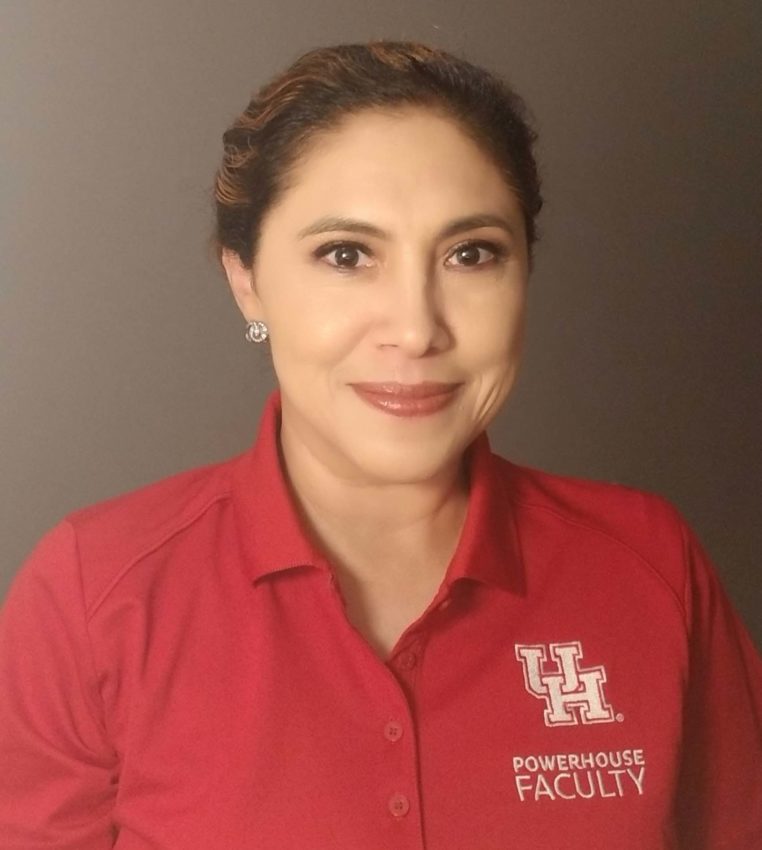
Like many Latino students, Donají Stelzig was unsure if she should pursue a PhD. She was intimated by the barriers and didn’t think she was capable of doing it, especially since she already had a full-time job and family. But after attending the Éxito! Latino Cancer Research Leadership Training at UT Health San Antonio, the researchers and scholars she met encouraged her to apply and followed up with her even when she was doubtful. Now, Stelzig has a doctoral degree and is a visiting assistant professor and lecturer at the University of Houston, where she also directs the Community Health Worker Training Center at the Honors College. She’s grateful for the Éxito! experience and how it helped her build a network to succeed throughout her career.
Learning About ...
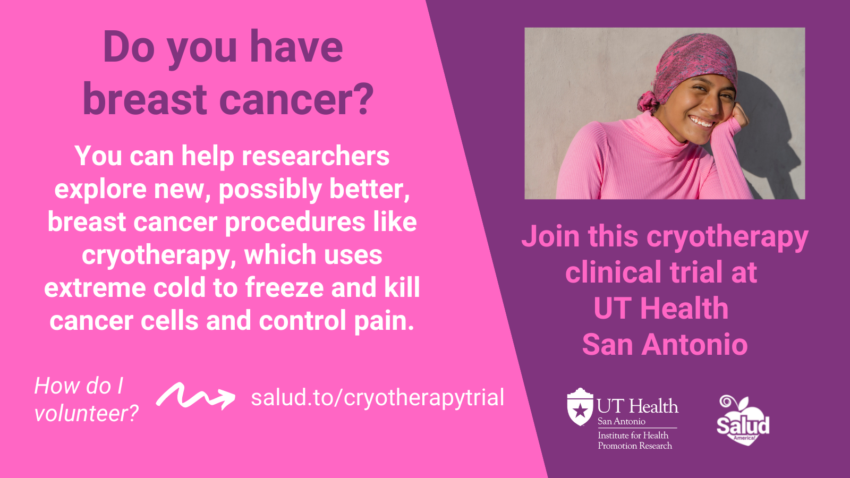
Medicine, radiation, chemotherapy, and surgery are common ways to treat breast cancer. Researchers are also exploring new, possibly better treatments and procedures in breast cancer clinical trials, which are carefully controlled research studies. In some cases, clinical trials may be the only way to get access to newer treatments. If you have breast cancer, you can find a new option for treatment by volunteering for the Evaluation of Cryotherapy and TRPA1 Receptors in Chemotherapy Induced Neuropathy at Mays Cancer Center at UT Health San Antonio. Cryotherapy uses extreme cold to freeze and kill cancer cells and control pain. The trial, for women ages 18 and older, including Latinas, aims to better treat women who are suffering at the hands of breast cancer. “It’s ...
The link between systemic racism and health inequities is undeniable. Health inequities among people of color arise from systemic racism, which has been and continues to be enforced by historic and present-day policies, laws, and practices at the local, state, and national levels. For example, past and present land use and transportation decisions perpetuate residential and school segregation which concentrates racial disadvantage and limits access to opportunity to stay healthy and thrive. Thus, local jurisdictions across the country are recognizing and addressing systemic racism through formal resolutions declaring racism a public health crisis. Through these resolutions, jurisdictions are committing to action to address underlying beliefs that fuel racism, transform ...
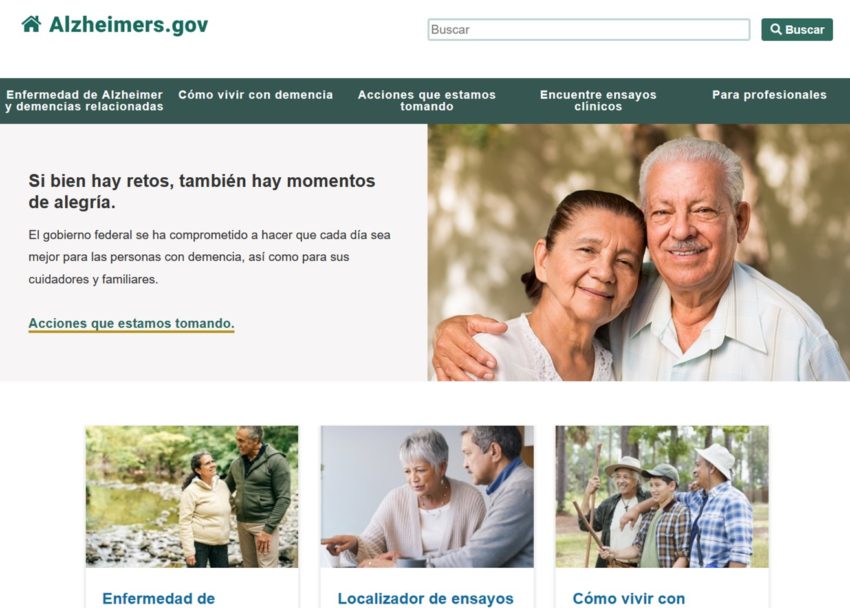
Did you know that every 65 seconds, someone develops Alzheimer’s disease? This number is most troubling for Latinos and women. Latinos overall are 1.5 times more likely to develop Alzheimer’s than their White peers. Two-thirds of Alzheimer’s patients are women. Latinas are at higher risk than non-Latinas. In response, the federal government created a website, Alzheimers.gov, for dementia information, resources, and clinical trials. Now that website is also in Spanish at Alzheimers.gov/es! Each website has: Information about Alzheimer’s disease and related dementias, including causes, symptoms, diagnosis, and treatment.
Knowledge and resources for caregivers and people living with dementia.
Clinical trials and studies that people can join to help advance ...
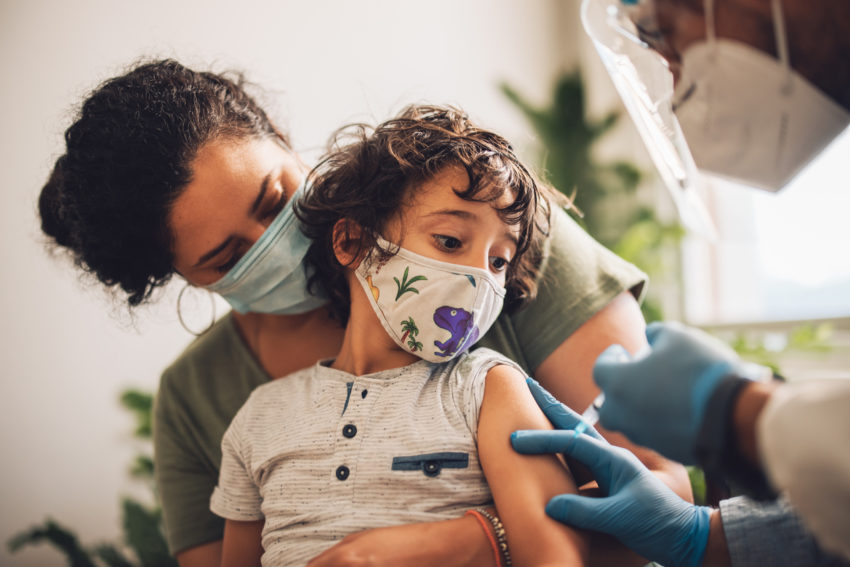
On Oct. 29, 2021, the FDA authorized the Pfizer-BioNTech COVID-19 vaccine for emergency use for children ages 5 to 11. It had previously been approved for those ages 12 and older. The move will make the vaccine available to 28 million children in this age group. Getting children vaccinated is vital for controlling the spread of the pandemic, especially as many schools have returned to in-person learning. Do you have questions about the Pfizer vaccine and want to know more before your children get vaccinated? Here’s what Latino parents should know. Update 1/19/22: Greater than COVID shared new videos in English and Spanish featuring doctors answering questions about the COVID-19 vaccines for kids 5-11.
Is the vaccine safe for children? Why was it produced so ...