Loss of physical activity can harm physical, emotional, and social health. Amid COVID-19 illness and isolation, some youth and families have experienced a loss of physical activity, according to a new report from Safe Routes Partnership, “One Step Forward, Two Steps Back: COVID-19’s Impact on Youth Physical Activity and Safe Routes to School.” The report explores research and expert perspectives on COVID-19’s impact on physical and emotional health to paint a holistic picture of how physical activity has changed during COVID-19. The report also has recommendations for supporting physical activity strategies and centering physical, emotional, and social health in equitable pandemic recovery plans. Our team at Salud America! was honored to contribute to this report ...
Alzheimer’s disease hurts the quality of life of many of our beloved abuelos and abuelas, their family members, and caregivers. Fortunately, clinical trials can help us fight back against Alzheimer’s. You or your loved ones can volunteer for the REACH Clinical Trial that aims to slow the effects of Alzheimer’s disease, led by the experts at the Glenn Biggs Institute for Alzheimer’s and Neurodegenerative Diseases at UT Health San Antonio. REACH Clinical Trial volunteers will be reimbursed up to $100 for each trial visit. “Our mission is to provide a compassionate and comprehensive network of clinical care for patients and their families with access to the most advanced treatment in clinical trials, as we continue to lead the search for a cure for Alzheimer’s and ...
Chris David is ready for the pandemic to be over. It’s dramatically hurt his business and taken friends and family away from him. Even though he had heard heard folks say the shots will make your skin shed, damage your DNA, and are part of a secret conspiracy to get people to accept government control, he decided to get his vaccine so that he can keep his family, friends, and customers safe, and so that we can put an end to COVID once and for all. “To me, it's no big deal to get vaccinated. Help the rest of the planet out. Let's do it together,” Chris said. Find COVID-19 vaccine locations near you with Salud.to/findvaccine!
How COVID-19 Hurt His Business
Chris is a Navy combat veteran who is originally from Michigan. He’s lived outside of Austin in a rural area of ...
Latinos suffer from toxic pollution in the air at higher rates than their white peers, and it can lead to many harmful side effects. University of Colorado Boulder researchers just added another side effect to that list: Childhood obesity in those whose mothers were exposed to air pollution during pregnancy. Study authors say their findings reveal air pollution’s disproportionate impact on communities of color — the same communities that suffer a lack of access to healthy food and barriers to safe places for physical activity, which contribute to America’s obesity epidemic. “Higher rates of obesity among certain groups in our society are not simply a byproduct of personal choices like exercise and calories in, calories out. It’s more complicated than that,” said ...
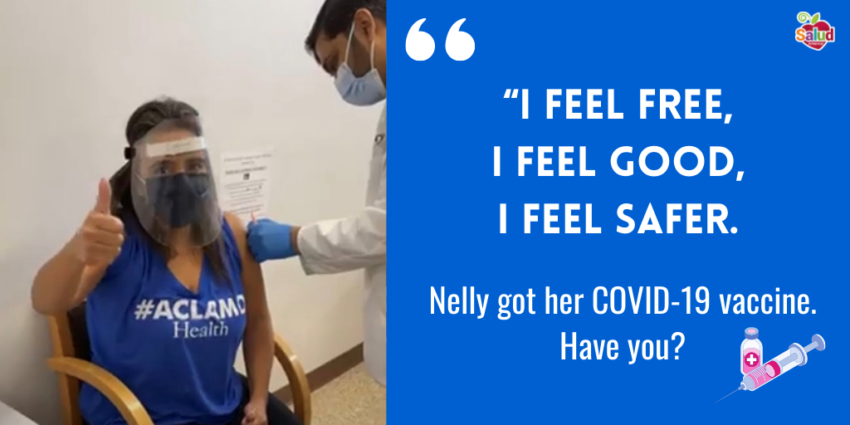
Nelly Jiménez knows how difficult it is to suffer from severe COVID-19 illness. Her husband was hospitalized with COVID after getting pneumonia in both lungs. She wanted to protect herself and her family, so she did her research about the vaccine and decided to get it early on. Jiménez also wanted to set the example because Latinos in her local community look up to her. She’s relieved she got her shot. “I feel safe. I feel much better and I’m more comfortable,” Jiménez said. Find COVID-19 vaccine locations near you with Salud.to/findvaccine!
A Venezuelan Immigrant Active in Pennsylvania’s Latino Community
Jiménez emigrated from Venezuela 23 years ago to Chester County, Pennsylvania. She is the Executive Director and CEO of ACLAMO, a nonprofit that ...
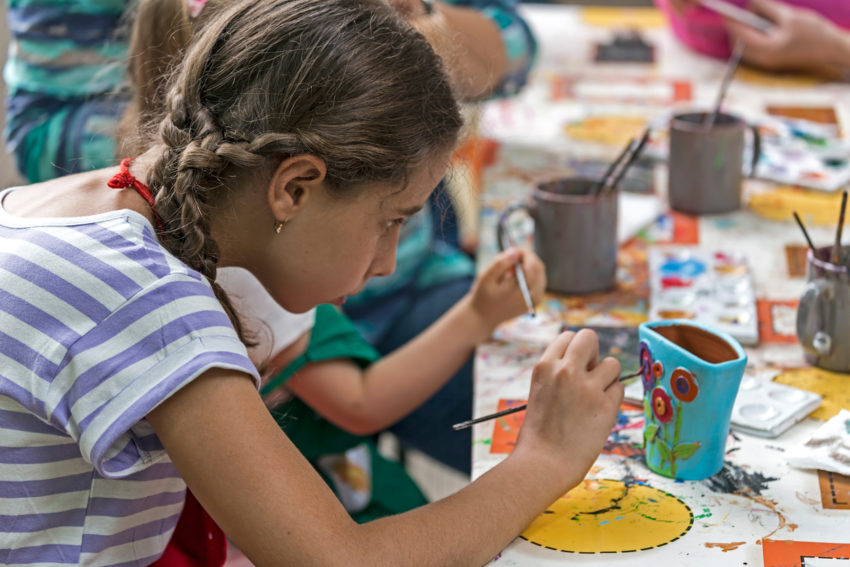
A new method is emerging to help children heal from trauma – art therapy. More mental health clinics, like the Children’s Bereavement Center of South Texas, are beginning to use art to help children with the healing process. Mental health professionals hope that art therapy can help children process adverse childhood experiences (ACEs), which is growing to be a public health crisis. “Art therapy helps one process emotions and feelings that one is struggling with, so that he or she can begin healing,” said art therapist Savita Jakhar Gandash, according to The Interview Portal. Read about what art therapy is and how Latino children can heal from ACEs and trauma.
What is Art Therapy?
Art therapy is a mental health service that utilizes creativity to help people resolve ...
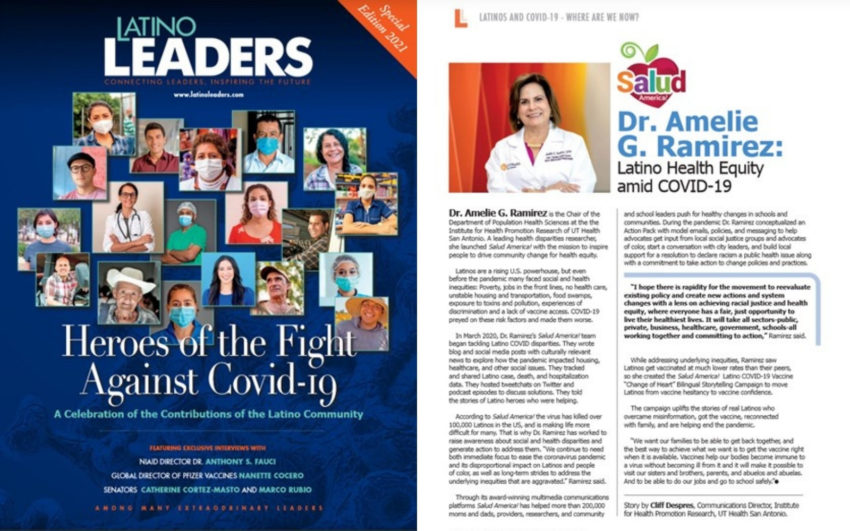
Dr. Amelie Ramirez, leader of Salud America! at UT Health San Antonio, is featured in the latest edition of Leaders, a national magazine that aims to connect and inspire Latino and all leaders. The edition is called "Heroes of the Fight Against COVID-19." Highlights include: Profile stories about health leaders: Dr. Elena Rios, president of the National Hispanic Medical Association; Dr. David E. Hayes-Bautista of UCLA; Joaquin Duato of Johnson & Johnson; Nanette Cocero of Pfizer; Bonnie Castillo of National Nurses United; Dr. Robert Rodriguez of UCSF; Dr. Xiomara Rocha-Cadman of City of Hope; and more
Profile stories about elected leaders: Catherine Cortez-Masto, Arizona, and Marco Rubio, Florida
Data on COVID-19 case and death rates (via Salud America!)
Data on ...
Latinos are the nation's largest minority, making up 18.5% of the population. This dynamic population is also helping fuel the red-hot housing market, even amid COVID-19. "The number of Hispanic-homeowner households rose by more than 700,000 to nearly 9 million in 2020, according to Census Bureau data compiled by the National Association of Hispanic Real Estate Professionals, an industry group. Those gains marked the biggest one-year increase in data on Hispanic homeownership going back two decades," the Wall Street Journal reported in April 2021. Let's explore the this surge in the Latino housing market, challenges, and the future of housing.
What's Causing the Surge in the Latino Housing Market?
The Latino homeownership rate has "increased more during the past several years ...
Alfred Lee has heard just about every COVID-19 vaccine myth out there. He’s seen YouTube videos about how “dangerous” the vaccine is, how it’ll track people, how it’ll make people’s skin fall off. His friends and neighbors believed these myths and kept telling Lee not to get vaccinated. But Lee was tired of COVID-19 safety precautions interfering with his life. He wanted to go fishing with his family. He decided to get vaccinated, and he’s glad he did. “Oh yeah, I feel much safer now, are you kidding?” Lee said. Find COVID-19 vaccine locations near you with Salud.to/findvaccine!
A Military Brat from Blanco County
Although Lee would describe himself a military brat, he’s a Texan through and through. He lives and works in Blanco County. Throughout ...