Breast cancer is the leading cause of death in Latinas. In fact, while breast cancer death rates have declined recently, the rate of decline for Latinas is lower (1.1% per year) than their white peers (1.8% per year). “Latinas are less likely to be screened for breast cancer, so they are more likely to be diagnosed at later disease stages,” said Dr. Amelie Ramirez, director of the Institute for Health Promotion Research (IHPR) and the Salud America! program at UT Health San Antonio. “This makes it critical to improve breast cancer screening, prevention, and support for Latinas.”
What Is Breast Cancer?
Breast cancer is cancer that forms in the cells of the breasts. After skin cancer, breast cancer is the most common cancer diagnosed in women in the United States. ...
Everyone deserves access to a healthy, safe school environment with the opportunity to succeed. Unfortunately, many Latino and other children of color are disadvantaged through neighborhoods and schools that lack resources and funding. Latino kids are more likely to have unhealthy school food environments and are treated worse in schools. Children of color are often treated differently by school personnel; they are more likely to be harshly punished for minor infractions, and teachers may underestimate their abilities. Let’s use #SaludTues on Tuesday, July 6, 2021, to discuss inequities in school health and education that prevent Latino kids and other children of color from being healthy and successful in life. WHAT: #SaludTues Tweetchat: Inequities in School Health ...
Sugary drinks can contribute to obesity and disease, especially for children of color. A rising number of U.S. states and cities are hoping to curb consumption of soda, juice, and other beverages through a number of regulations, including implementing a sugary drink tax. Sugary drink taxes are shown to reduce the number of sugary drink purchases. They also raise money for local health programs. In Rhode Island, legislators hope to pass a sugary drink tax to help provide food to the hungry amid the COVID-19 pandemic, according to State Sen. Valerie Lawson. “The pandemic has shined a glaring light on food insecurity in our state,” Lawson said, according to UPRISE RI. “Recently, Rhode Island Kids Count released their annual Fact Book showing that the pandemic had a ...
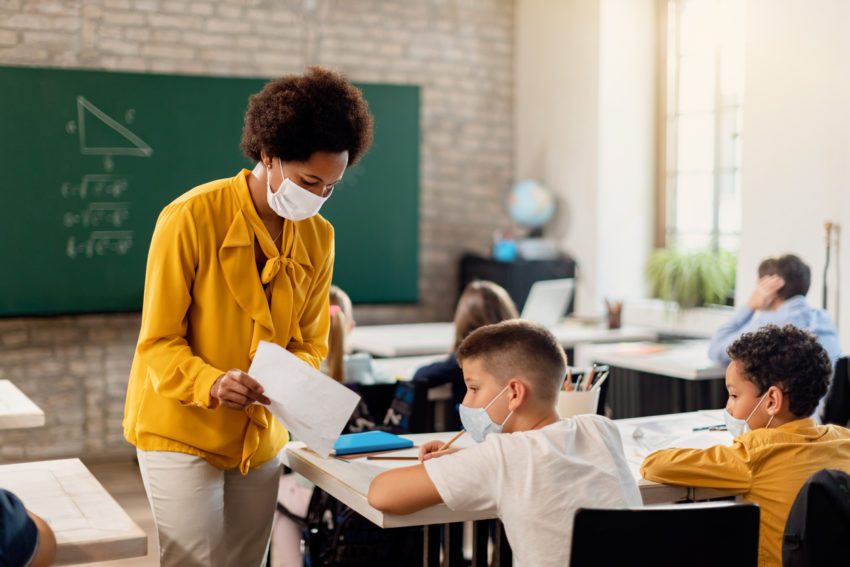
Throughout the COVID-19 pandemic, states have struggled with what to do when it comes to schools and online learning. In the beginning of the pandemic when not as much was known about the virus, schools were shut down and students were sent home to do virtual learning. But this brought up issues of internet accessibility for rural, low-income families, along with difficulties for parents who suddenly needed to work and provide childcare during the day. As COVID-19 vaccinations have grown and cases are slowly decreasing, many administrators are figuring out what school will look like this fall. “We have to be able to pivot,” said Kaweeda Adams, a superintendent in Albany, NY, according to the Washington Post. Let’s take a look at how safe schools are, what Latino ...
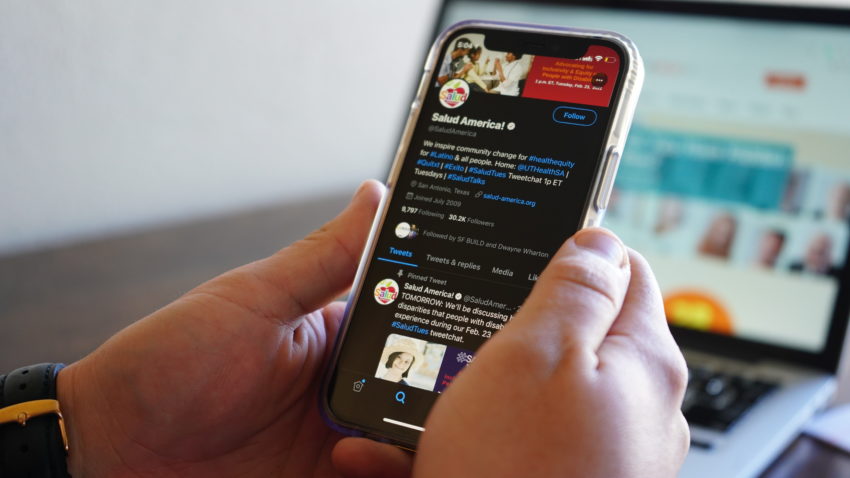
U.S. Latinos are 1.5 times more likely than whites to develop Alzheimer’s disease. In fact, the number of Latinos with Alzheimer’s and dementia could increase six-fold, from 200,000 today to 1.3 million by 2050, according to the Alzheimer’s Association. We need to raise awareness. We also need advocacy for solutions. Fortunately, our Salud America! #SaludTues Tweetchats, a discussion series on Twitter about Latino health, helped raise awareness of and advocacy action around Alzheimer's and its rise among Latinos, according to our new study in the Journal of Health Communication. The study found that #SaludTues Tweetchats provided a unique forum for sharing facts, increasing exposure, and discussing solutions to Alzheimer's among Latinos. "The study proves that ...
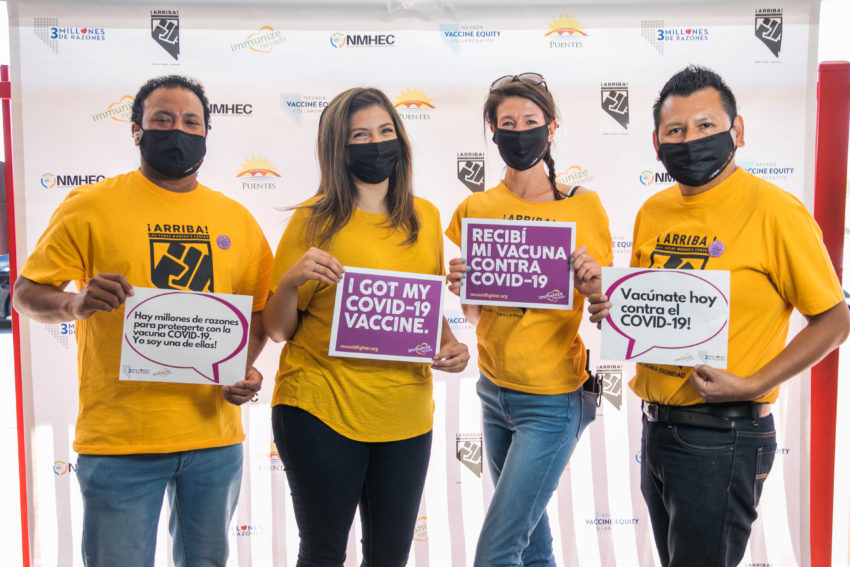
Everyone deserves an equal chance to get a COVID-19 vaccine. But some communities, like Latinos, don’t have as much access or information about the vaccine or are hesitant to get vaccinated. The Nevada Vaccine Equity Collaborative (NVEC) is working to change that. Co-led by Immunize Nevada and the Nevada Minority Health and Equity Coalition, the NVEC is working to promote equitable distribution of the COVID-19 vaccine in Nevada, particularly among vulnerable communities. “I think as we were kind of creating a response, we knew that we weren't just responding to the actual physical effects of COVID. But just misinformation as well, looking at what, you know, why people weren't getting vaccinated and kind of looking at some of those off the wall reasons and thinking, how are ...
A new interactive mapping tool from diversitydatakids.org allows you to see what opportunities are available to children based on different neighborhoods. “The Child Opportunity Index measures and maps the conditions children need: safe housing, good schools, access to healthy food, green spaces and clean air, among others,” according to diversitydatakids.org. The mapping tool highlights the social and health inequities for Latino children and other children of color. “These conditions are not equitably available to all children in the U.S. Black, Hispanic and Indigenous children disproportionately live in neighborhoods that do not provide all the conditions children need to be healthy and grow into their full potential,” according to diversitydatakids.org. By ...
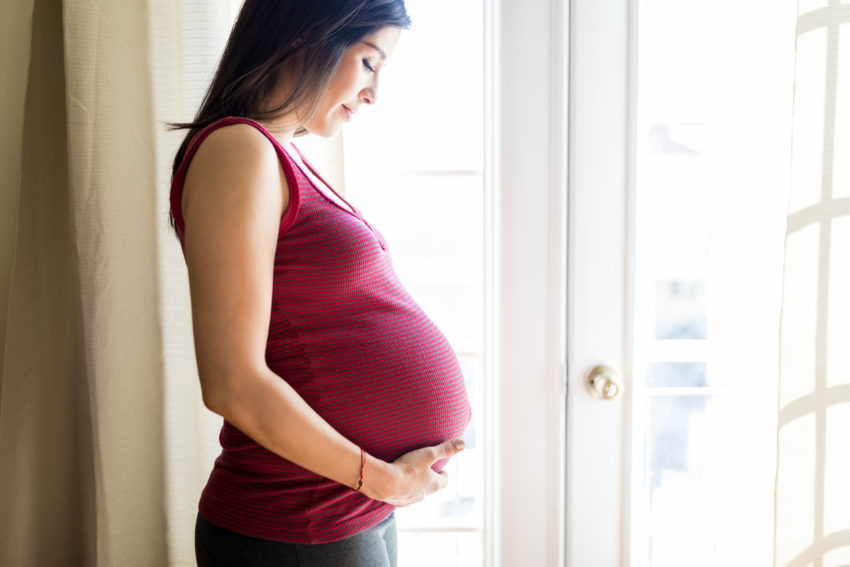
Women who give birth face numerous risks leading up to, during, and after delivery. Pregnancy complications can bring about physical and mental effects, including post-partum depression, infections, preterm labor, and other significant risks. Without proper medical care, these risks can increase — especially for women of color and those living in rural communities. That’s why the Rural Health Information Hub released its Rural Maternal Health Toolkit to promote creation of and support for maternal health programs for pregnant women and new mothers in rural communities. “Rural women experience poorer maternal health outcomes compared to their urban counterparts, including higher pregnancy-related mortality,” Lexie Schmidt, an outreach specialist the Rural Health ...
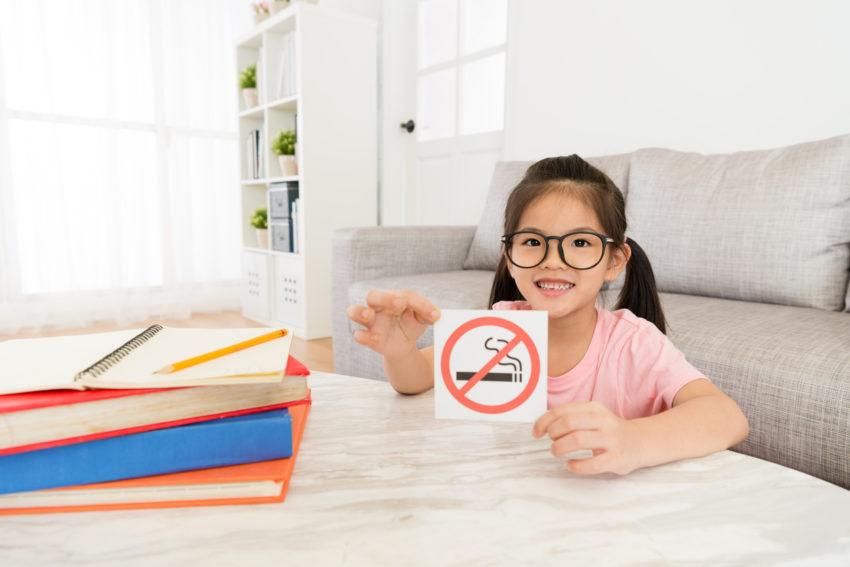
People who live in multifamily housing share air with their neighbors ─ including secondhand smoke. Secondhand smoke contains over 70 cancer-causing chemicals, and has killed over 2.5 million people. The dangers are especially serious in multifamily housing, where secondhand smoke can travel through doorways, halls, windows, ventilation systems, electrical outlets, and gaps around fixtures. Download the Salud America! Action Pack “Help Your City Adopt Smoke-Free Multifamily Housing!” The action pack will help you engage local leaders in exploring a smoke-free multifamily housing policy for common areas and individual units. "Experts say a smoke-free multifamily housing policy can protect the health of tenants and staff of apartments from secondhand smoke, as well as ...