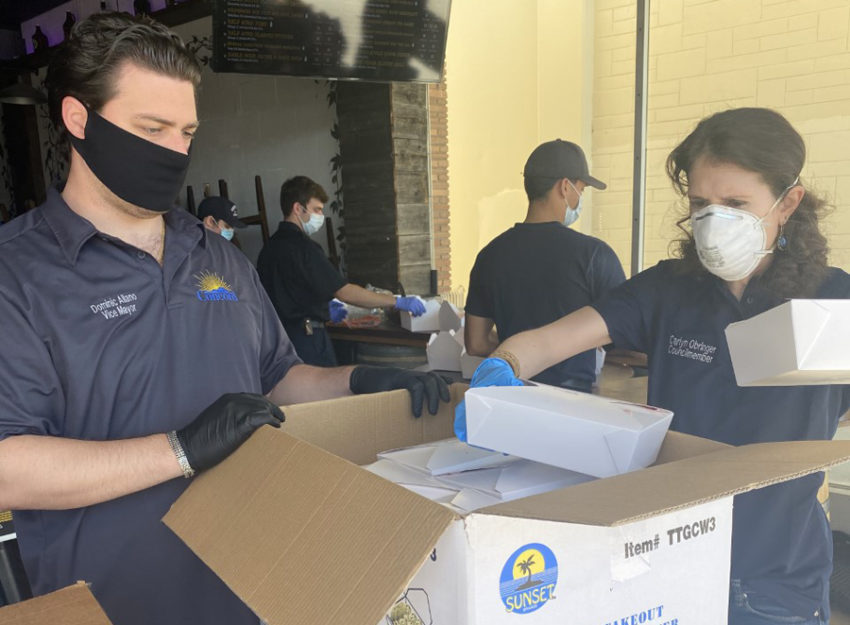
Growing up in a working-class, union family, Dominic Aliano saw firsthand how local governance could help people in his hometown. Aliano now serves as the Vice Mayor of that city, Concord, Calif (29.9% Latino). He has led numerous initiatives to improve life in Concord ─ including the city’s smoke-free multifamily housing ordinance, which prohibits smoking inside units of all apartments. Smoke-free multifamily housing helps protect families who face toxic secondhand smoke exposure and other systemic inequities where they live, according to Aliano. “This legislation and ones like it are really important for people, especially those in the communities that I represent, who are mostly renters in multi-family housing complexes,” he said. “Sometimes landlords take ...
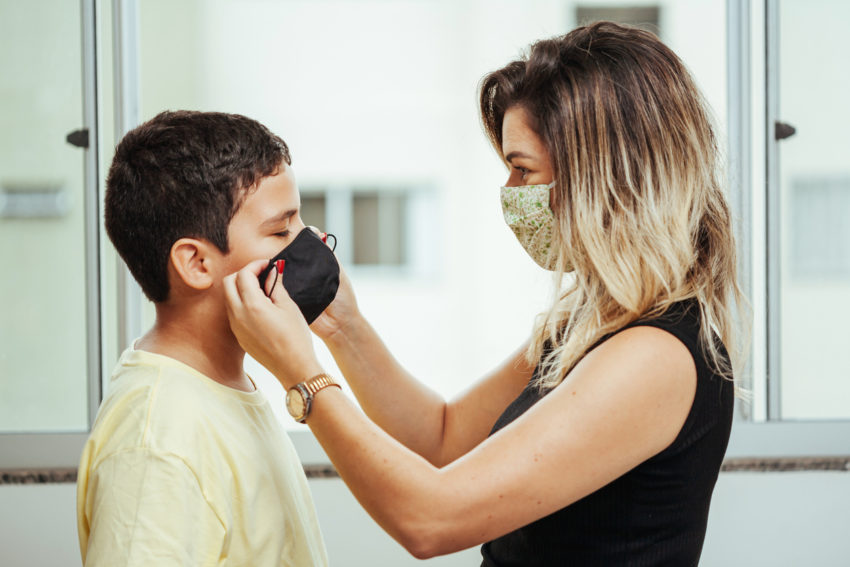
Good news! Children ages 12 to 15 can now get a COVID-19 vaccine! On May 10, 2021, the FDA authorized the Pfizer-BioNTech COVID-19 vaccine for emergency use for children ages 12 to 15. It had previously been approved for those ages 16 and older. This next step in reaching herd immunity is crucial. Not only does it expand the pool of eligible vaccine recipients to 87% of the U.S. population, but it also allows teens who have missed out on school, sports, prom, and other aspects of life to return to normal. Do you have questions about the Pfizer vaccine and want to know more before your children get vaccinated? Here’s what Latino parents should know. UPDATE: Information about how teenagers can get the vaccine without needing parental consent in some states.
About the ...
Rosa Herrera sabe lo difícil que puede ser luchar contra el COVID-19. En octubre del 2020, dos de sus hijas estuvieron muy enfermas con COVID-19 y tuvieron que ser hospitalizas. Herrera, también se enfermó, pero tuvo un caso leve. “Fue realmente aterrador. No podía verlas y como las dos estaban hospitalizadas al mismo tiempo, me estaba volviendo loca", dijo Herrera. Inicialmente, Herrera tenía miedo de recibir una vacuna. Le preocupaba que la hubieran hecho muy rápido, y porque no sabía lo que había en los ingredientes, que pudiera tener microchips o algo que le hiciera daño a su familia de nuevo─cosas que había leído en Facebook. Pero después de saber que la vacuna es segura, Herrera finalmente decidió vacunarse. Ella se alegra de haberlo ...
Rosa Herrera knows how difficult the battle with COVID-19 can be. Two of her daughters were really sick with COVID-19 in October 2020 and were hospitalized during their infections. Herrera herself got sick, too, but had a mild case. “It was really scary. I couldn't see them and since both of them were hospitalized at the same time, I was going crazy,” Herrera said. Herrera was initially afraid to get a vaccine. She was worried that it was produced too quickly, and that because she didn’t know what was in the ingredients, that it could’ve been microchips or something that would harm her family again─things she’d read on Facebook. But, after learning that the vaccine is safe, she ultimately decided to get a vaccine. She’s glad she did. “I'm able to see my ...
Jesus Larralde is ready for the pandemic to be over. He wants to be able to spend time with his sisters and his dad, who is undergoing cancer treatment and has a weakened immune system. He’s watched many friends, coworkers, and family members get COVID-19, and has seen the long-lasting effects it can have. But Larralde was nervous to get the vaccine at first. He didn’t want it to make him sick and was nervous about the potential side effects. Larralde decided to get the vaccine when his wife Lenea was offered the Pfizer vaccine through working at UT Health San Antonio. He’s glad he did because he can spend more time with his family.And he’s doing his part to stop the spread of COVID-19. “We need to learn, and we need to understand that we need to stop spreading ...
Jesús Larralde está listo para que se acabe la pandemia. Quiere poder pasar tiempo con sus hermanas y su papá, que está recibiendo tratamiento contra el cáncer y tiene un sistema inmunológico debilitado. Él ha visto a muchos amigos, compañeros de trabajo y familiares contraer el COVID-19 y ha visto los efectos secundarios duraderos que puede tener. Pero Larralde al principio estaba nervioso de recibir la vacuna. No quería enfermarse y estaba nervioso de los efectos secundarios posibles. Larralde decidió vacunarse cuando a su esposa Lenea le ofrecieron la vacuna de Pfizer a través de su trabajo en UT Health San Antonio. Ahora, él está contento de haberlo hecho porque puede pasar más tiempo con su familia y está haciendo su parte para detener la transmisión ...
Updated broadband coverage maps for all 254 counties in Texas highlight that many Texans lack the digital infrastructure needed for high speed, stable internet, particularly in rural areas and communities of color, according to Connected Nation Texas. “To close the Digital Divide in Texas, we need accurate data on where Texans are connected and where they lack basic infrastructure to participate in the digital world,” said Ellen Ray, Chair of Texas Rural Funders, which supported Connected Nation Texas in producing the maps, according to a press release. “The future of Texas education, healthcare, and economic development will depend on all Texans having the ability to access high-speed internet.” Lack of access to high-speed internet is especially prevalent in rural Latino ...
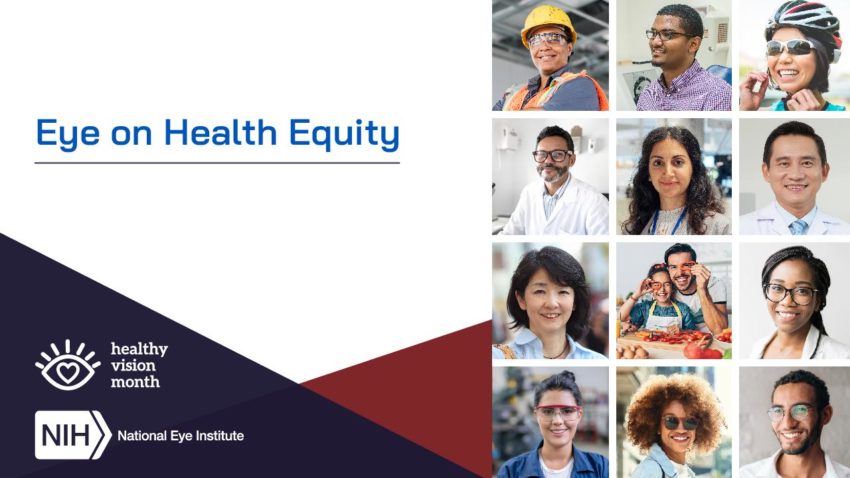
May is Healthy Vision Month! The National Eye Institute (NEI) has theme for Healthy Vision Month: "Eye on Health Equity." This is important because people of color, like Latinos, face barriers to eye health care. "NEI is putting a spotlight on the importance of increasing diversity in the eye health field — and how that can help everyone have an equal chance for healthy vision," according to the agency. Here are six ways to promote health equity and healthy vision.
1. Share Testimonials from Diverse Eye Health Professionals
NEI spoke with professionals about how increasing diversity and representation can improve eye health outcomes and promote health equity. Read their testimonials and share them with your network!
2. Meet the Organizations that Bring Healthy Vision ...
Many studies are uncovering an alarming link between COVID-19 and dementia. One study found that more than 80% of 509 hospitalized COVID-19 patients had "neurologic manifestations," according to Northwestern Medicine. The brain inflammation and mini-strokes observed in COVID-19 patients may increase their risk of developing Alzheimer’s disease and other dementia, another study found. Now a new study from the UK found that people diagnosed with COVID-19 in the previous six months were more likely to develop depression, dementia, psychosis and stroke. "The study confirms the researchers suspicions that a COVID-19 diagnosis is not just related to respiratory symptoms, it is also related to psychiatric and neurological problems", Prof Dame Til Wykes, at the Institute of ...