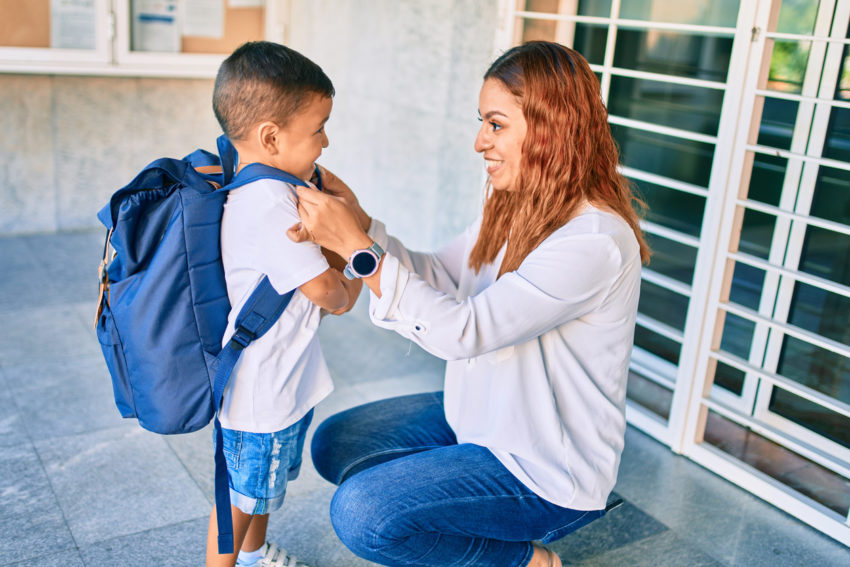
Trouble concentrating in class. Not completing homework. Behavioral difficulties. Absenteeism. These outcomes are linked to exposure to adverse childhood experiences (ACEs). ACEs, such as abuse or parental substance abuse, can trigger the biological toxic stress response and hinder school learning, behavior, attendance, and academics. That’s why, in December 2020, Dr. Nadine Burke Harris released her Roadmap for Resilience: The California Surgeon General’s Report on Adverse Childhood Experiences, Toxic Stress, and Health. Salud America! is exploring the report as part of its 11-part series on toxic stress. Below are primary prevention, early detection, and early intervention strategies for education personnel to address ACEs and toxic stress among Latino and ...
California had an affordable housing crisis well before COVID-19. Now the pandemic is having a devastating impact on housing and homelessness. State leaders are continuing work to make a difference. For example, California Gov. Gavin Newsom's 2021-22 State Budget proposal has many short-term investments specifically targeted at housing and homelessness. "The state continues to make progress in addressing the housing availability and affordability crisis that has been exacerbated by the COVID-19 pandemic," the Governer's Office stated. "In addition to the $500 million for infill infrastructure, the Budget also proposes an additional $500 million in low-income housing tax credits to support low-income housing development. "The Administration is streamlining and reorganizing ...
Obesity Care Week 2021 (#OCW2021) is here! From Feb. 28 to March 6, 2021, our Salud America! health team is happy to be an OCW2021 Champion to support this awareness week. Obesity Care Week is an annual public awareness effort to end weight stigma, as well as raise awareness, educate and push for a better world for people living with obesity. Salud America! research shows that many people face issues with the non-medical drivers of health—from poverty to access to affordable housing and transit—that contribute to higher rates of obesity. Obesity can impact anyone, and Latino adults have high obesity rates (47%), as do Latino children (20.7%). This, in turn, leads to disparities in diabetes and other health conditions. Addressing the non-medical drivers, such as improving ...
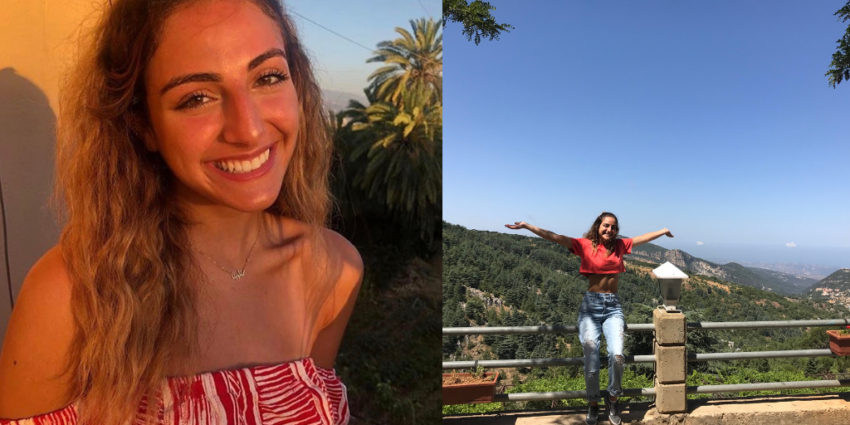
Kathryn Karam isn’t afraid to speak out against racism and discrimination. She thinks that everyone should address their implicit biases and that being a person of color doesn’t prevent you from having bias. That’s why Karam wrote a column for her college newspaper, The Collegian, last fall after the Black Lives Matter and George Floyd Protests to raise awareness about how people of color can have their own biases against Black people. Karam comes from a family of Middle Eastern immigrants, growing up in a culture where topics like politics were taboo. Now she’s a sophomore at the University of Massachusetts Amherst studying journalism and public relations, where she hopes to continue the conversation.
Raised by Immigrants
Karam grew up in the suburbs of Boston, in ...
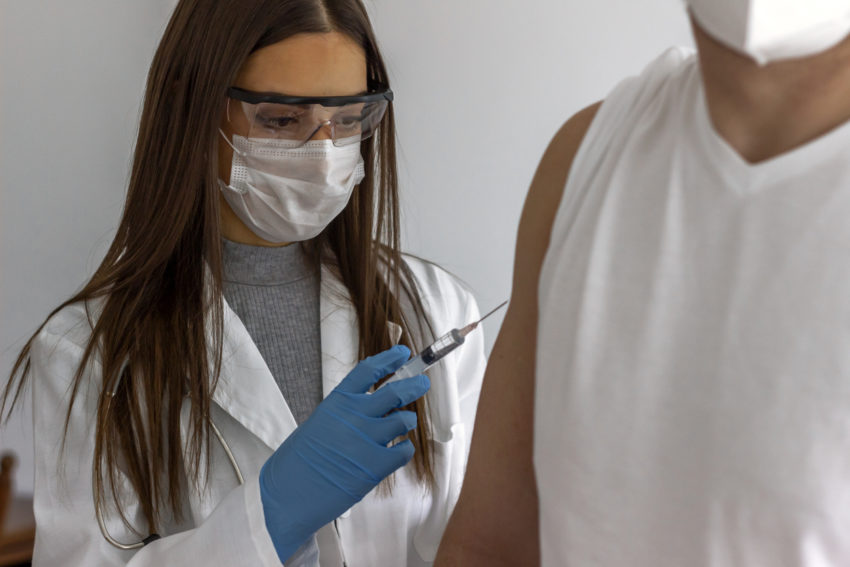
Latinos are disproportionately hurt by COVID-19. But they make up a very low percentage of those getting a coronavirus vaccine. This is in part because of targeted misinformation and experiences with discrimination and implicit bias in the doctor's office. This is why CDC is conducting two webinars to share what Latino families and communities should know about the COVID-19 vaccine and more ways to slow the spread of the pandemic.
Webinar 2/26/21: What Families Should Know About COVID-19 Vaccines
This webinar, set for 2 p.m. ET on Feb. 26, 2021, focuses on information for Latino families. Panelists include: Rev. Carlos Durán is president of The National Alliance of Hispanic Pastors. The Obama White House recognized Durán as a “Champion of Change” for his advocacy for ...
Among the many inequities impacting young Latinos in Arizona, wide gaps in education not only affect those students now but could harm their future. A recent report from Arizona for Latino Leaders in Education (ALL in Education) shows that Latino students are facing significant disparities, despite the fact that they make up nearly 50% of the state’s student population. The data should be a catalyst for change, according to Stephanie Parra, the executive director of ALL in Education. “The data doesn't lie, the fact of the matter is Latino students are following behind and they have been for two decades,” Parra said. “More affluent communities are able to raise dollars and provide additional programming, retain quality educators, all of those things help our students ...
Taking a walk or hike can be a great way to get outside and get in some physical activity. But what if your community doesn’t have access to hiking trails? The National Collaborative on Childhood Obesity Research (NCCOR) created a resource that identifies hiking and walking programs that encourage youth from underserved communities to get outside and hit the trails. The program brief looks specifically at Latino and Black youth, because they are more likely to experience health disparities related to lack of physical activity and are at risk for health complications later in life.
What’s in the Program Brief?
NCCOR identifies nine programs that successfully reach diverse groups and produce positive health outcomes. The programs meet the following criteria: highlighted on ...
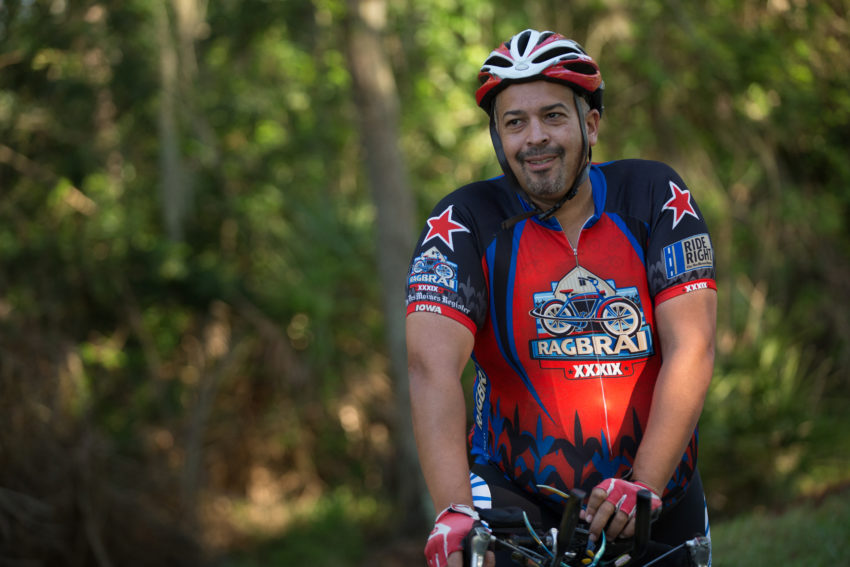
A lack of access to healthy, nutritious foods has harmed countless minorities for years. This problem has only gotten worse during the coronavirus pandemic. One in 10 Black and Latino families struggle with food insecurity, which is being without reliable access to a sufficient quantity of affordable, nutritious food, according to a recent report from the Census Bureau. While different nonprofits and businesses have made attempts to help, wide-reaching gaps remain to make significant headway in food disparities. "We are seeing families every week, and, unfortunately, the need is not going to go away because these issues were here before COVID," Antonio Santos, co-founder and executive director of the Gage Park Latinx Council in Chicago, told Block Club Chicago. "We are also ...
Exposure to adverse childhood experiences (ACEs), such as poverty or abuse, is a known risk factor involvement in the legal and judicial system. And, involvement in the legal and judicial system may be an indicator of toxic stress. Thus, the legal and judicial system plays an important role in preventing the effects of ACEs and toxic stress. That’s why, in December 2020, Dr. Nadine Burke Harris released her Roadmap for Resilience: The California Surgeon General’s Report on Adverse Childhood Experiences, Toxic Stress, and Health. Salud America! is exploring the report as part of its 11-part series on toxic stress. “Factors that underlie connections between victimization or trauma and later [legal and judicial] involvement provide a window into areas for primary and ...