In Oakland and other California cities, education leaders have launched a new initiative to provide students with clean water through water bottle filling stations in schools. These filling stations aim to provide not only filtered drinking water to students, they also combat unnecessary plastic waste. In the era of Climate Change, these kinds of programs can often be the first step in making wide-sweeping changes in communities. Water bottle filling stations can make a big impact on student health and academics, according to water bottle filling station group, FloWater. “Well-hydrated students have a better chance of performing better in school due to increased focus, improved energy, and added health benefits for the body,” the group writes. “A more sanitary place to fill ...
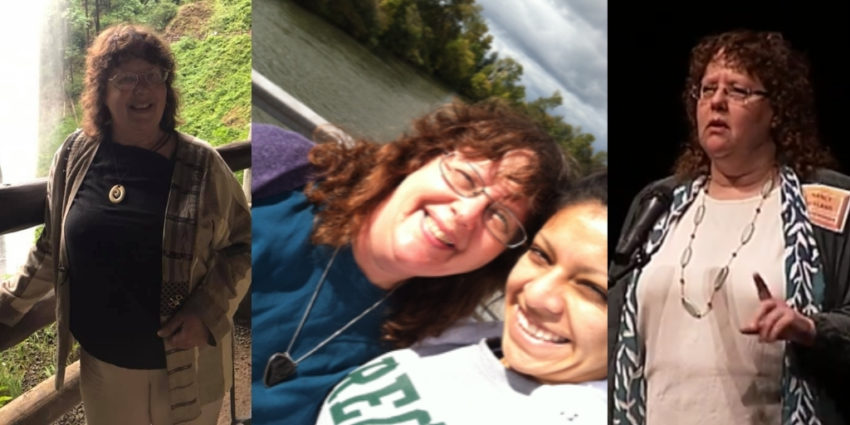
Nancy Willard knows that the way educators are taught to handle bullying isn’t working, especially when it comes to cyberbullying. That’s why she’s written several books on bullying prevention and digital safety, including the first book ever published on cyberbullying. Willard is a former attorney and special education teacher in Veneta, Oregon who has dedicated her career to empowering students and families to stand up to bullies. She also taught those empowerment skills to her adopted Guatemalan daughter. Now she wants to help schools build more culturally relevant anti-bullying programs, especially when the COVID-19 pandemic ends and more schools return to in-person learning.
A Background in Computer Law and Special Education
Before working on building student ...
Through prolonged activation of the toxic stress response, adverse childhood experiences (ACEs), like neglect and poverty, disrupt the development of brain architecture and other organ systems and are strongly associated with some of the most common and serious health conditions facing our society. This means toxic stress is a health condition with clinical implications. The healthcare system can play a central role in preventing, detecting, and mitigating toxic stress. That’s why, in December 2020, Dr. Nadine Burke Harris released her Roadmap for Resilience: The California Surgeon General’s Report on Adverse Childhood Experiences, Toxic Stress, and Health. Salud America! is exploring this as part of its 11-part series on toxic stress. Below are primary, secondary, ...
Our bodies are wired for survival, thanks to our biological stress response system. However, without buffering protections, Adverse Childhood Experiences (ACEs), like neglect and abuse, can lead to a toxic stress response. The toxic stress response is a dysregulated biological stress response and subsequent changes to other physiological functions like the brain, hormonal systems, metabolism, immune response, and gene regulation. ACEs and the toxic stress response are associated with some of the most common, costly, and serious health conditions, including heart disease, cancer, dementia, and suicide. Fortunately, we can prevent and even mitigate toxic stress. Let’s use #SaludTues on Feb. 9, 2021, to Tweet about the lifelong consequences of ACES and toxic stress and ...
President Joe Biden has vowed to completely reform how the U.S. handles immigration. In the first two weeks of his presidency, Biden has begun taking action to stop the border wall, family separation, support DACA recipients, reverse the public charge rule, and is planning further legislation to create an easier path to citizenship for immigrants. How does Biden’s immigration reform affect Latino immigrants? Let’s take a look at the different immigration policies Biden has in store. Update 3/10/21: Biden's administration stopped enforcing the public charge rule first enforced by Donald Trump's administration, according to CBS News. Update 7/22/21: The US Department of Health and Human Services (HHS) reaffirmed that the public charge rule is no longer in effect and ...
Kendra Gage starts off all her new classes addressing one obvious fact: she’s white. That’s because Gage is a professor at the University of Nevada, Las Vegas (UNLV) who teaches African American studies, focusing on the Civil Rights Movement and addressing racism in modern America. Gage believes in addressing her whiteness because she wants students to be aware of implicit bias─ stereotypes that affect our understanding and decisions about others beyond our conscious control─in the classroom. She feels it’s her role as an educator to highlight her own implicit bias and allow students to question their own biases. “My very first lecture in class, I say, ‘This is who I am. I am white.’ I mean, I can't hide behind that, so I do address it,” Gage said. That is ...
To reduce the impact of a disease like diabetes, public health leaders usually apply a three-part preventive approach of prevention, early detection, and early intervention. But this preventive approach hasn’t been applied to toxic stress. Toxic stress is the body’s response to prolonged trauma─like abuse or discrimination─with no support. It can harm lifelong mental, physical, and behavioral health, especially for Latinos and others of color. Amid COVID-19, civil unrest, and an economic crisis, we need a public health prevention approach to address toxic stress now more than ever. A new roadmap can help. Dr. Nadine Burke Harris’ Roadmap for Resilience: The California Surgeon General’s Report on Adverse Childhood Experiences, Toxic Stress, and Health proposes a ...
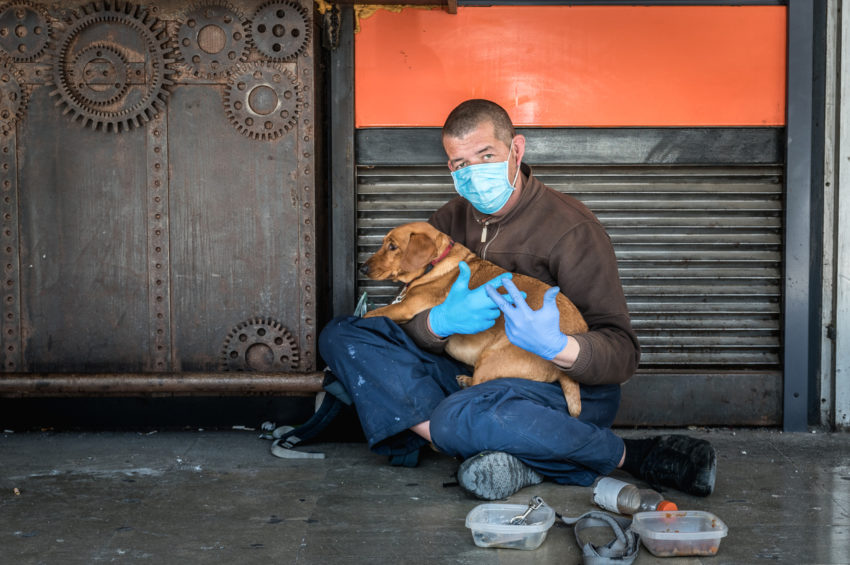
The COVID-19 pandemic has highlighted many of the disparities impacting communities of color. Not only has COVID-19 led to a disproportionate number of deaths and severe illness among Latinos, but it has also contributed to financial struggles, homelessness, and students falling behind in school. These disparities are linked with discrimination and impact Latinos throughout their lives, according to a Salud America! research review. But despite the evidence, many Americans don’t see systemic racism as the cause of the inequity. A survey by the RAND Corporation and Robert Wood Johnson Foundation (RWJF) found that only 42% of respondents think that systemic racism is one of the main reasons people of color face health inequities. The majority does not believe or feel neutral ...
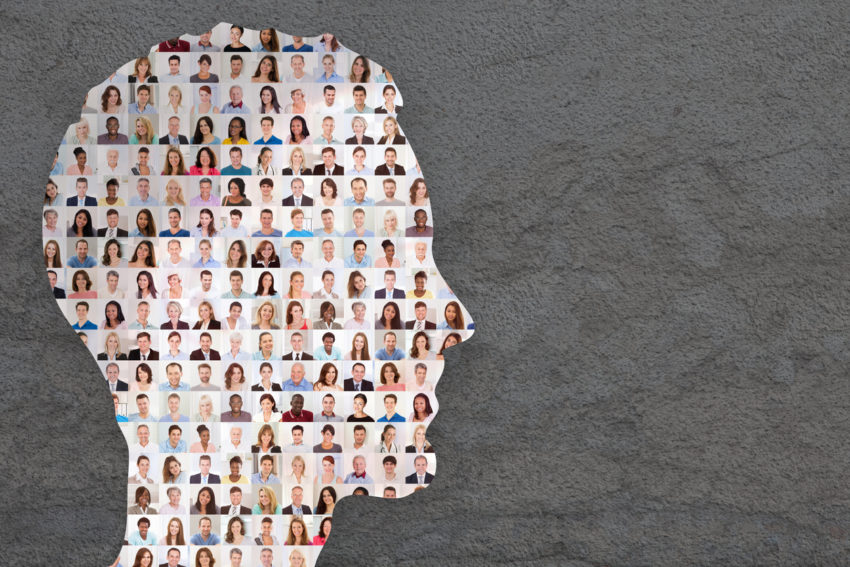
Many people think they harbor no bias toward other people. Or they believe they know their biases and don’t act on them. But everyone has implicit bias. Implicit biases are stereotypes that affect our actions and decisions about others, beyond our conscious control. Fortunately, these biases also can be “rewired” toward more compassion for others. Download the free Salud America! Action Pack “Find Out If You Have Implicit Bias and What to Do Next.” This Action Pack will help you see if you have implicit bias, learn from others who have overcome their own implicit bias, and also encourage others to learn about implicit bias, too. GET THE ACTION PACK! Dr. Amelie G. Ramirez, director of Salud America! at UT Health San Antonio, created this Action Pack. With the ...