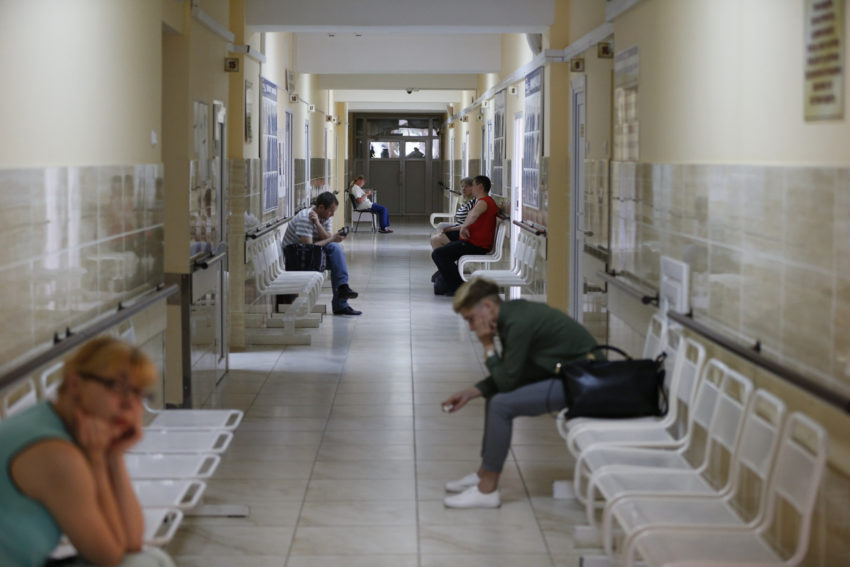
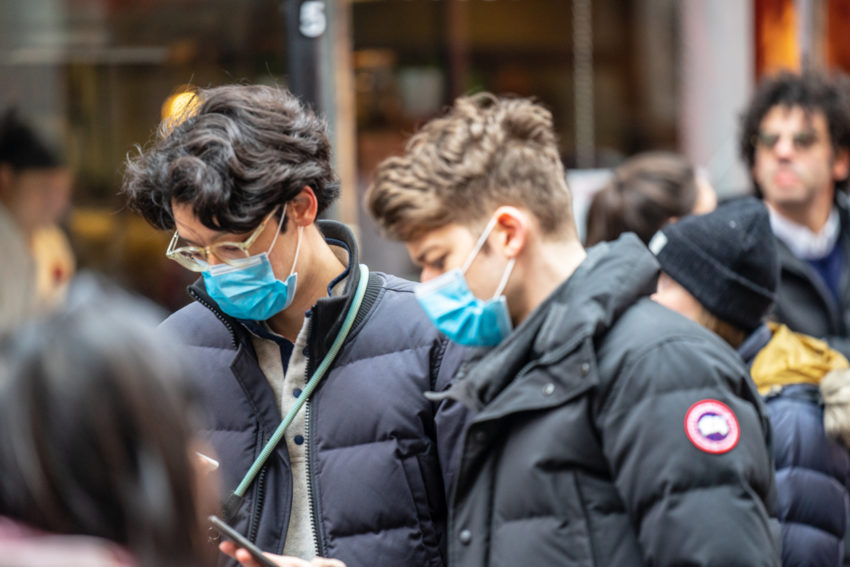
Time and again, statistics go to show that communities of color, including Latinos, face a rampant and widespread lack of access to quality healthcare. In this state of emergency that the U.S. faces with the outbreak of the current novel coronavirus, COVID-19, those disadvantages are worse than ever. Disadvantaged groups currently, and will continue to, experience burdens in receiving, affording, and managing medical treatment as the virus continues to spread. “Crises such as H1N1 and COVID-19 provide a mirror for our society and the actions we take — or fail to take,” writes Dr. Richard E. Besser, the president, and chief executive of the Robert Wood Johnson Foundation, in the Washington Post. “Today, the United States in that mirror is one in which the risk of exposure ...
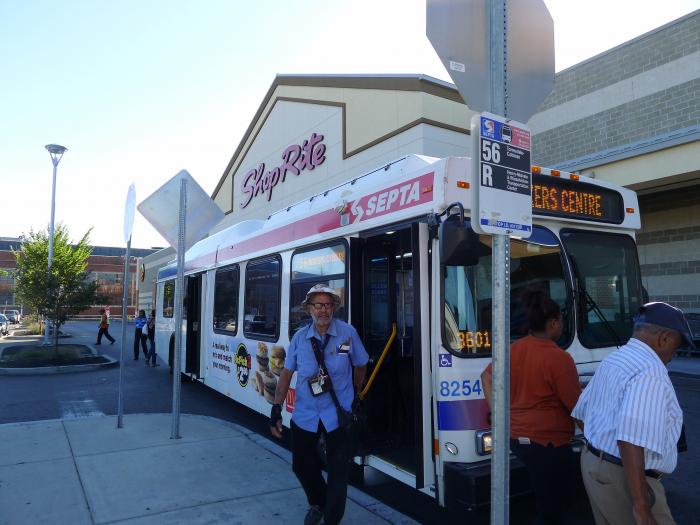
Everyone deserves a safe and reliable way to get to healthy food—whether a supermarket, corner store, food bank, farmers market, or community garden. Unfortunately, many Latinos and people in low-income communities, rural communities, and communities of color are disproportionately burdened by long and unreliable commutes, as well as unsafe routes to nutritious food. That’s why the Safe Routes to Healthy Food Task Force worked for two years to refine the concept of safe routes to healthy food. Now they’ve released a new report with policy implications, opportunities, and recommendations. “This collaboration demonstrated that improving access to healthy foods for people without cars can be improved by a variety of sectors, including: transportation, healthy food access, ...
Updated 7/15/21 For more than a year, the COVID-19 pandemic has afflicted many. In the U.S., certain local, state governments declared lock-downs and stay-in-place quarantines — efforts geared at limiting the spread of the novel COVID-19. Then lock-downs reopened, then locked down again as cases rose. Across the world, cases and deaths continue, as does public health responses, including vaccines. Governments, businesses, and people continue to grapple with the coronavirus pandemic. Latinos are experiencing worsening health inequities, disparities in exposure, testing, prevention and treatment, and job impact. Latinos are experiencing disproportionately more cases and deaths, too. As equitable vaccine distribution becomes the focus, Latinos aren't getting enough ...
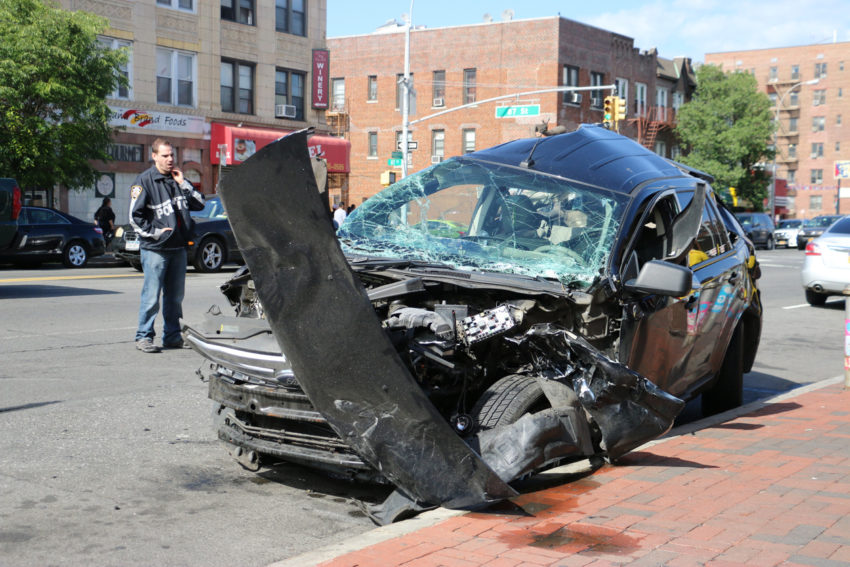
Traffic fatality rates—in decline for 50 years—are rising again. Why? Not enough effort to get vehicles off the road, traffic safety experts say. Reducing vehicle travel can boost safety. It has many social, environmental, and health benefits, too, especially for Latinos who face many transportation barriers. Yet historical transportation planning had misplaced focus in four keys area: vehicle throughput to sprawling areas, vehicle travel safety over transportation system safety, vehicle safety over roadway safety, and reducing high-risk driving over all driving. Here is a breakdown of each issue, and why we desperately need reform.
1. Historical Focus on Vehicle Throughput to Sprawling Areas
What is sprawl? Reid Ewing, a nationally recognized transportation-planning ...
Decades of decisions fueled by structural racism have built a society with no health equity, where many groups lack a fair, just opportunity to be their healthiest. This is especially true in our transportation system. Past and present planning, policy, and funding decisions have failed to provide equitable, affordable, safe, convenient, and reliable transportation options for all, from the local to federal levels. Dismantling these inequities requires intentional effort. That’s why Smart Growth America conducted a field scan to explore promising opportunities to achieve equitable public infrastructure, with support from the Robert Wood Johnson Foundation. The report spells out the six biggest challenges to health equity facing our transportation system (and the 40 ...
Schools can serve as so much more than space for children to learn. They can even transform community health. That is, if schools share their spaces with the public when classes are out. Fortunately, the team at ChangeLab Solutions is showing how easy and beneficial it is for schools to share use of school grounds with local residents and groups after and before school, and during summer.
What Is Shared Use of Schools?
Playing can help a kid’s healthy brain development. But many communities are not kid-play-friendly. Latino neighborhoods tend to lack safe places that welcome kids and multi-generational families to play. Many schools lock up their facilities after class ends. Shared use agreements—also called open use or joint use—are specific plans and rules that ...
An undercount of Latinos in the 2020 Census could cost 37 states hundreds of millions in federal funding. For example, a Latino undercount could cost Texas up to $14 billion of federal money for housing, child and foster care, and other family aid programs, according to a new brief from Child Trends. “The impact of any Census undercount will be felt in state budgets and communities throughout the country,” according to the Child Trends report. “At stake is federal funding for programs that help states improve the well-being of their residents, and their children especially.”
Why Is a Latino Undercount Expected?
Historically, the Census has undercounted Latinos. For the 2020 Census, even without a citizenship question, officials expect a 3% or more undercount of Latinos, ...
Rates of colorectal cancer, found in the colon or rectum, are on the rise among American adults under the age of 50. A new study, published the American Cancer Society’s peer-reviewed journal CANCER, discovered that the disease is impacting more and more young people by using data from the National Cancer Database registry. The research group, led by Dr. Boone Goodgame of The University of Texas at Austin, examined the data of over 1,185,763 patients. "Several studies have shown that the rates of colorectal cancer in younger adults have risen slowly in the US since the 1970s, but for practicing physicians, it feels like we are seeing more and more young people with colorectal cancer now than we were even 10 years ago," Goodgame, told Wiley. What were their ...
Most Americans living in rural communities say they are content with most aspects of their lives; however, two significant concerns stand out: Financial insecurity and the high medical costs. Two surveys, conducted through a partnership between NPR, Robert Wood Johnson Foundation, and the Harvard T.H. Chan School of Public Health, found that 40% of that demographic struggle with healthcare, housing, and food expenses.
Healthcare Access, or Lack There Of
The surveys also found that 26% of rural Americans said they had not received desperately needed medical attention due to their limited budget. However, nine in 10 respondents did report having health insurance. An increase that is attributed to the implementation Affordable Care Act and Medicaid expansion. A decade ago, this was ...