The United States is one of the world’s financial powerhouses, but COVID-19 is causing economic unrest and uncovering a growing wealth divide. In fact, half of households are experiencing monetary problems amid the COVID-19 outbreak in the nation’s four largest cities, all of which have large Latino populations—New York City (29.1% Latino), Los Angeles (48.6%), Chicago (29%), and Houston (44.8%)—according to a recent study from the Robert Wood Johnson Foundation (RWJF). These new data reveal the problem is mainly impacting Latinos and other individuals facing disadvantage, according to Dr. Robert Blendon, professor of Public Health and Political Analysis at the Harvard T.H. Chan School of Public Health. “These communities remain so vulnerable and in some serious ...
New York City is combating more than just the immediate impacts of the COVID-19's pandemic. Last week, numerous city officials—including Mayor Bill de Blasio—announced new government programs to assist residents with food insecurity. With the help of his Taskforce on Racial Inclusion & Equity, the program will be aimed at those who are suffering some of the worst impacts: People of color. "Every New Yorker should have equitable access to healthy food," said Mayor Bill de Blasio to press release. "These programs will help families get nutritious foods without having to sacrifice spending on other critical needs." Previously the New York City agencies surveyed with community members, and this feedback helped to inform the issue areas of the Taskforce's work. During the ...
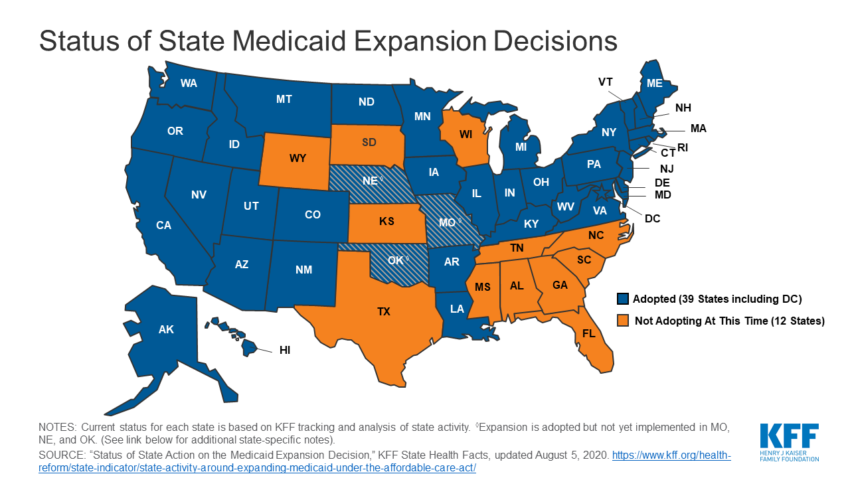
As of June 2020, 14 U.S. states continued to reject Medicaid expansion, leaving many without an affordable healthcare coverage option. Then COVID-19 hit—hardest among low-income, uninsured families, particularly Latinos. In response to surging coronavirus cases, Oklahoma (11.1% Latino), the state with the second-highest uninsured rates, voted to expand Medicaid on July 1, 2020. A month later on Aug. 4, Missouri (4.4% Latino) also voted to expand Medicaid. In these two states alone, roughly 430,000 low-income adults will be eligible for Medicaid. “The American Heart Association supports expanding Medicaid because people living with low incomes are disproportionately affected by heart disease, hypertension, and stroke. Medicaid serves as the coverage backbone for the ...
Where you live matters for your health. The health of any population is determined by several factors including the physical, emotional, socioeconomic, and environmental circumstances in which they live. For U.S. Latinos, these factors can be daily challenges and cause poor health outcomes, especially for their children. As a result, Latino children have higher rates of obesity and diabetes and lower levels of physical activity than their non-Latino peers. These inequities are worsening amid the COVID-19 pandemic. These children also are at least twice as likely to be uninsured. "To help reverse these outcomes, it is important for Latino children and youth to enroll in health coverage and have access to preventive care. Children who have health coverage are shown to have ...
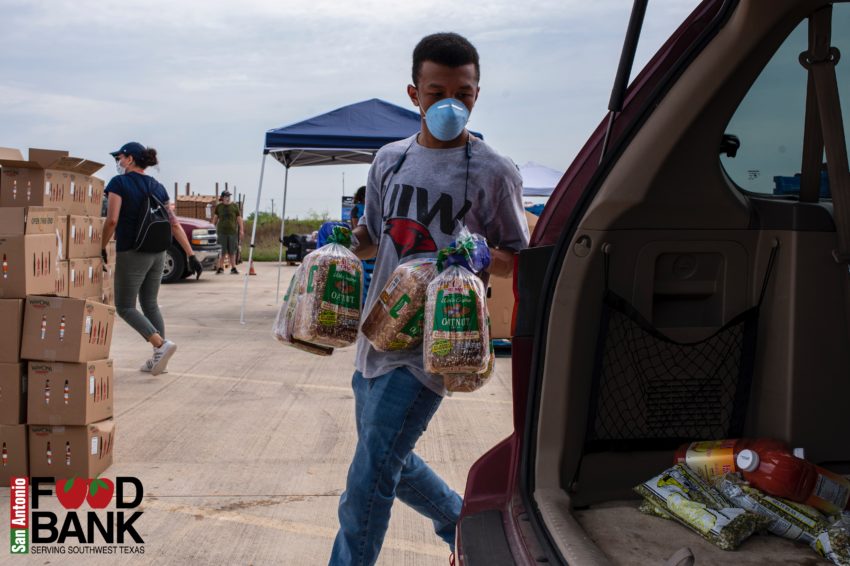
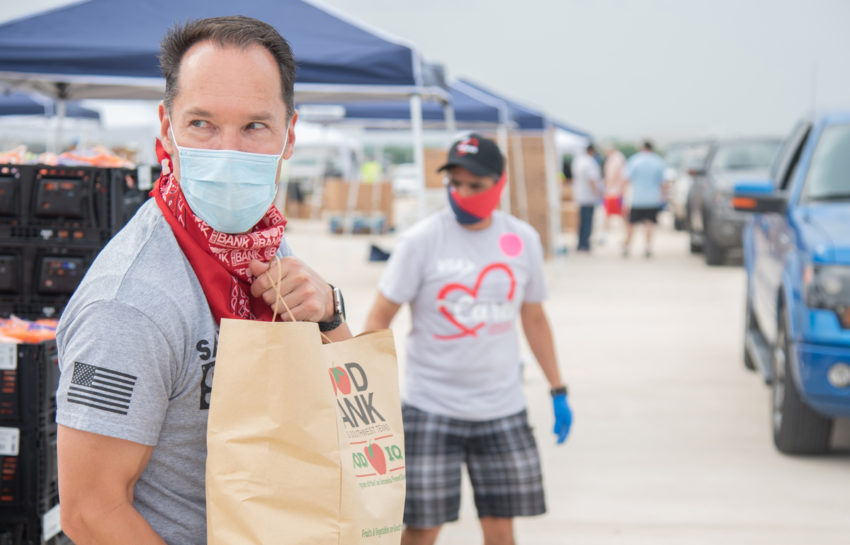
Eric Cooper knows what it's like to depend on public assistance programs. He grew up in a low-income family, relying on free school meals and food assistance to get enough food to eat. Today, as CEO of the San Antonio Food Bank, Cooper helps families like his. And with rising amounts of food insecurity amid the coronavirus COVID-19 pandemic, he led the Food Bank to orchestrate a whole new way of operating. An army of volunteers has stepped up to meet the needs of so many, by working in back-to-back shifts and implementing new strategies, such as drive-through pickup lines or COVID-19 preparation kits. Their efforts have garnered national acclaim and have turned a crisis into a rallying point for those who need it most. "I think all of us, as human beings find ourselves in ...
COVID-19 can affect anyone. But, for Latinos, the coronavirus pandemic is worsening health, social, and income inequities, and raising fears of disparities in disease rates, exposure, testing, and prevention. Here is our infographic in English and Spanish on eight of the biggest coronavirus issues facing Latinos:
1. COVID-19 Rates and Latinos
Early reports from hotbed areas, including New York City and Oregon, show higher COVID-19 incidence and death rates among Latinos. In other cities, African Americans show higher rates. RATES
2. COVID-19 Testing and Latinos
People with health insurance get tested for COVID-19 more frequently than those who don’t, even if tests are free, according to researchers. 19% of Latinos are uninsured. This is the worst coverage rate ...
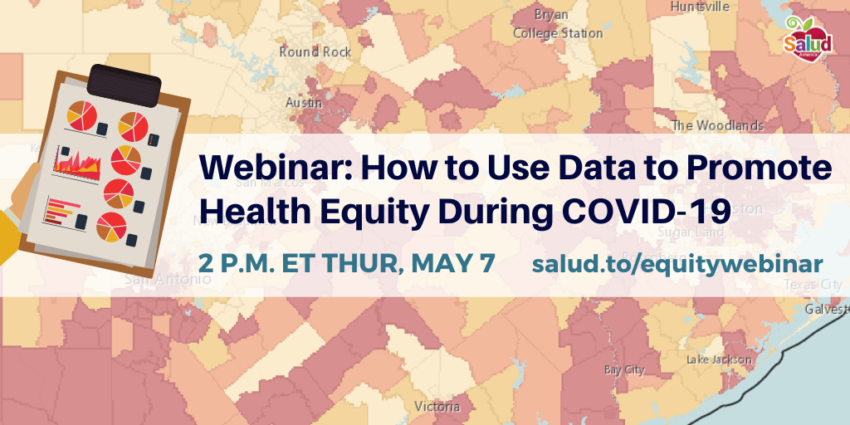
Salud America! led a national webinar to show how our Salud America! Health Equity Report Card can help you visualize and explore place-based health inequities in your county, and build a case toward solutions during these difficult coronavirus times. The webinar, “How to Use Place-Based Data to Promote Health Equity During COVID-19 Pandemic,” took place at 2 p.m. ET Thursday, May 7, 2020. Webinar speakers explored: How inequities in housing, transportation, poverty, healthcare, and access to healthy food and safe places to be active, contribute to disparities in infectious and chronic disease.
How you can use the local data, interactive maps, and comparative gauges in the Salud America! Health Equity Report Card to identify health inequity issues in your county.
...
COVID-19 can affect anyone. But, in reality, it's worsening the health and social inequities facing U.S. Latinos. Now the pandemic is raising fears of racial/ethnic and income disparities in coronavirus exposure, testing, prevention via social distancing, and treatment. "As the number of cases rises, citizens are rightfully concerned about who is getting tested and who will receive treatment," writes health equity adviser Brian Williams in a column for the Dallas Morning News. "For those who exist on the margins of health care justice, access to life-saving treatment is never guaranteed."
Disparities in Coronavirus Exposure
We know Latinos are more likely than their white peers to suffer from poverty, underlying conditions, and a lack of quality housing and transit. They also ...
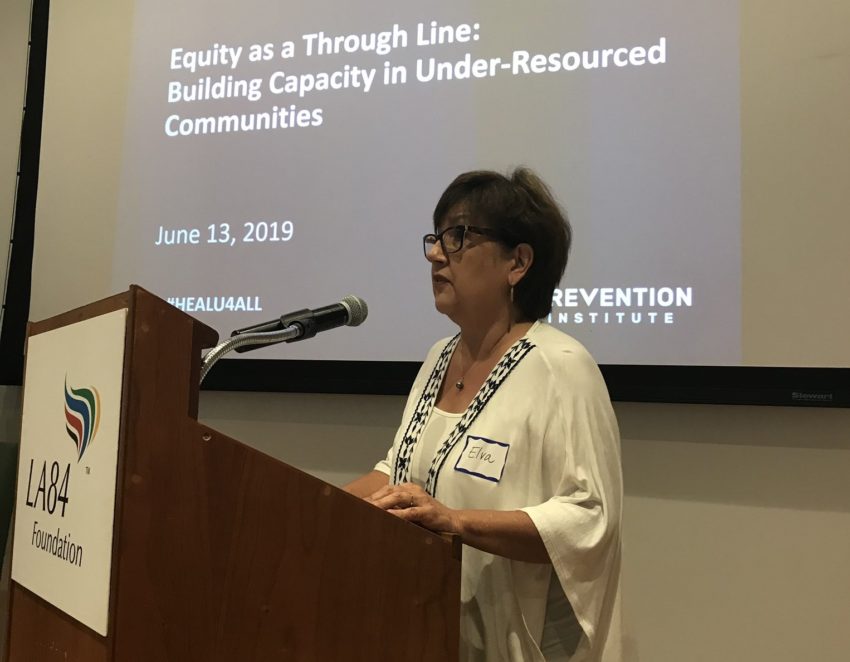
Elva Yañez—with her neighbors and allies—waged a campaign that has lasted over 15 years to preserve one of the last unprotected open green spaces in her Northeast Los Angeles community of El Sereno. Before working on healthy equitable land use issues, she worked in tobacco control. When she recognized similarities in the way tobacco companies and land developers fought to protect private interests from government regulation, she began using tobacco control tactics to fight for environmental justice. With the help of others, she led an effort to stop one particularly harmful residential development in her community that had serious public health and safety consequences. Throughout the campaign she knew she wanted to go upstream and address the systemic conditions that allowed ...