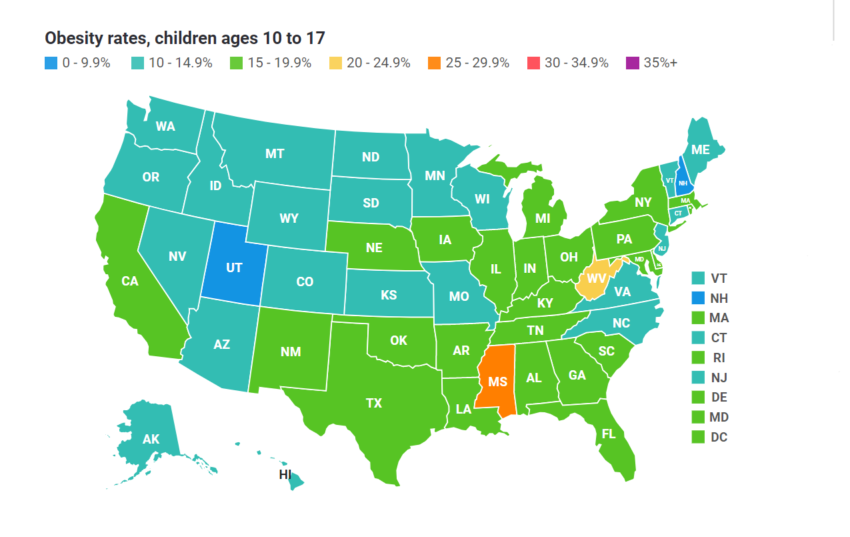
Children of color continue to struggle with obesity. Obesity rate continues to be significantly higher for Latino (20.7%) and black children (22.9%) than for white children (11.7%) ages 10-17, according to the new State of Childhood Obesity report from the Robert Wood Johnson Foundation (RWJF). Obesity—and other chronic diseases—are more prevalent among those of color and those in poverty because discriminatory systems have disinvested in healthy policies and basic resources for them. In the midst of the current COVID-19 pandemic, which is worsened by obesity, it is more critical than ever to prioritize children’s health. Latino children and young adults account for over 40% of the COVID-19 deaths among people ages 0-24, according to the CDC. To prioritize children’s ...
Without paid sick leave, too many Latinos are forced to choose between financial security and health. After all, just a few days of lost pay due to illness is the same as losing an entire month’s worth of groceries for some families, which fare worse during a pandemic like COVID-19. “For a typical Latino family without paid sick days, losing an average of 3.3 days due to sickness is equivalent to a family’s entire monthly health care budget or its monthly grocery budget,” according to a joint fact sheet from UnidosUS and National Partnership for Women & Families. This situation won’t just fix itself after the pandemic, either. “Lives are at stake when policies are not put in place from the top down to prevent the spread of disease or create healthy living ...
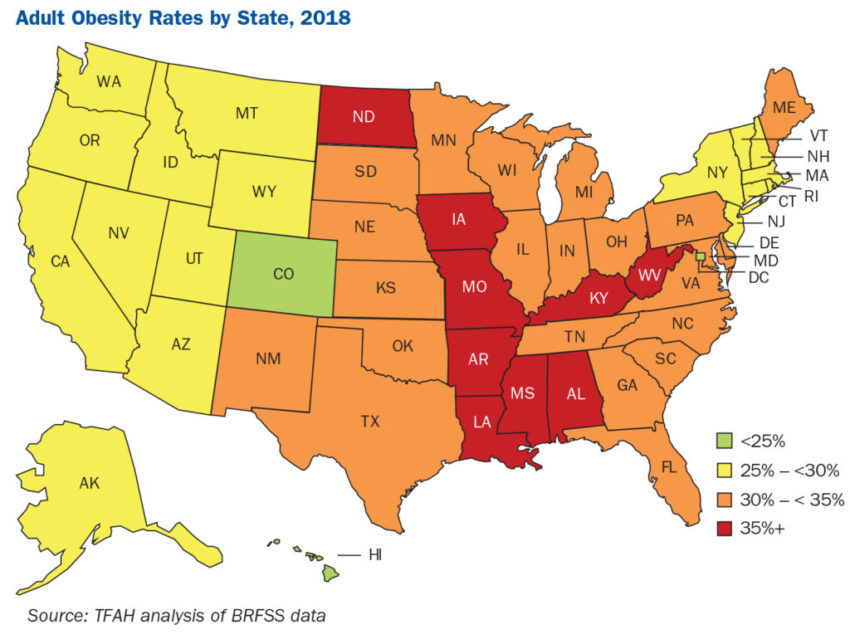
Nine U.S. states had adult obesity rates above 35% in 2018, up from seven states at that level in 2017, an historic level of obesity in the U.S., according to the new State of Obesity report by Trust for America's Health. In 2012, no state had obesity rates over 35%. This alarming rise is even worse among Latinos. Data indicate that 47% of Latino adults and 25.8% of Latino children had obesity—the highest combined obesity rate among all racial/ethnic groups. "These latest data shout that our national obesity crisis is getting worse,” said John Auerbach of Trust for America's Health. “They tell us that almost 50 years into the upward curve of obesity rates we haven’t yet found the right mix of programs to stop the epidemic."
Alarming Rise in Obesity Rates
The State of ...
Under the Trump Administration, U.S. health leaders are proposing to weaken the Affordable Care Act’s ban against discrimination in healthcare. The U.S. Department of Health and Human Services (HHS) revision to ACA would erase references to protections against discrimination by health care programs on the basis of race, color, national origin, sex, age, and disability. The revision, according to Health Affairs, would remove: Certain definitions (such as terms like “on the basis of sex”);
Nondiscrimination protections based on sex, gender identity, and association;
Language-access requirements (such as translated taglines on notices and communications to consumers), affecting people with limited English proficiency
Requirements for a compliance coordinator and ...
Latinas who live on the U.S. Southwest border have more surgical infant delivery rates than their peers in the rest of the country. Not only do those who reside on the border experience cesarean section, or C-section, more often, but Latinas have overall higher rates than white women, according to a New Mexico State University study. This was not the case six years ago. Jill McDonald, who serves as the director of the Southwest Institute for Health Disparities Research in the College of Health and Social Services at NMSU, told the Santa Fe New Mexican before 2013, Latinas had lower numbers than white women. “Now, Hispanic women are more likely to have a cesarean birth than non-Hispanic white women,” McDonald said. Maternal Disparities Latinas already suffer from ...
Paid leave reduces the use of public services, boosts employee productivity, and can help families better succeed—yet three in four Latinos are unable to take such time. Despite data that shows its benefits, there is no federal requirement to provide paid family leave. The 1993 federal Family and Medical Leave Act (FMLA), legislation most businesses follow, does not cover all workers and leave offers are unpaid. Lack of paid leave and other economic support contributes to health and economic disparities among Latinas, Latinos, and low-income families. Still, paid leave is gaining popular support, including a proposal for universal paid family leave. “If the [corporate officers and directors] gets paid leave, then the factory floor worker should also get paid leave,” ...
Like the beautiful photo of Erika Bonilla’s tia and father that serve as a reminder of her El Salvadorean roots, Bonilla is on a mission to see Latino families thrive. Bonilla holds bachelor’s degree in Spanish and a master’s of public health degree from California State University, Long Beach. Bonilla is a Research Associate at the CSULB Center for Latino Community Health, Evaluation, and Leadership Training. Her research focus includes: maternal and child health, adolescent health, women’s health, cervical cancer, HIV/AIDS prevention, childhood obesity prevention, community-based participatory research, education, and mentoring undergraduate and graduate students of multiple disciplines in health science and human services majors. Having already gained valuable ...
Nationwide, 20.6% of Latino youth and 22.5% of Black youth have obesity compared to 12.5% of white youth, according to a new data report from the Robert Wood Johnson Foundation (RWJF). The new data feature obesity rates among youth ages 10-17 nationally and from each state from the 2016 and 2017 National Survey of Children’s Health (NSCH), along with analysis conducted by the Health Resources and Services Administration’s Maternal and Child Health Bureau. Five states have Latino youth obesity rates over 30%. No states have White youth obesity rates over that mark. “Far too many young people in this country are facing increased chances of diabetes, heart disease, and high blood pressure, all due to a preventable condition … black and Latino youth are still more likely ...
A recent study shows that Latino and African American premature babies have a 2-to-4-times greater risk of four severe neonatal health problems compared to their white counterparts, CNN reports. Latina moms already suffer from health disparities that impact their baby, according to a Salud America! Research Review: Maternal obesity
Poor nutrition and lack of physical activity
Lack of breastfeeding (less than 50% of Latina moms still breastfeed their newborns by age 6 months)
Lack of paid maternity leave Pregnant women who experience other health disparities, such as poverty and discrimination, may be related to birthing preterm babies. "There is growing evidence that chronic stress associated with poverty and exposure to discrimination can lead to behavioral ...