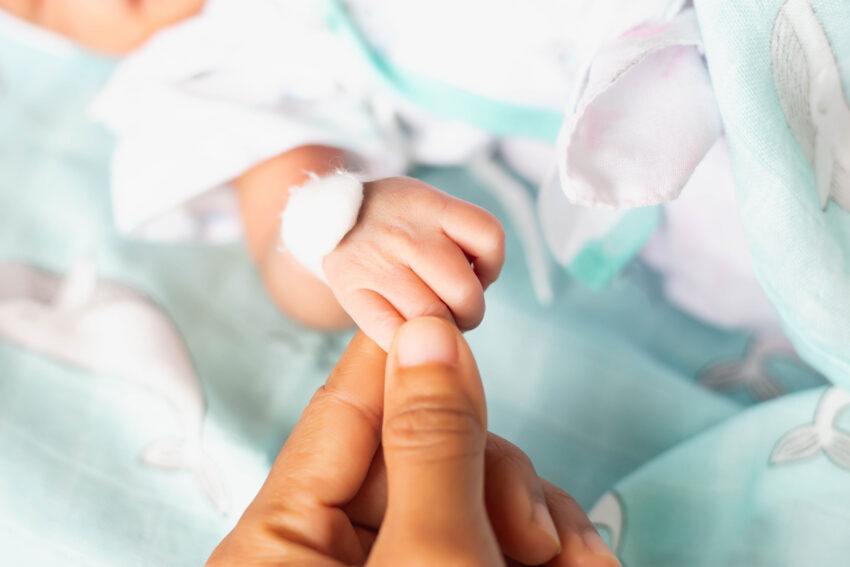
The average US pre-term birth rate has risen to a 15-year high of 10.5%, according to a recent March of Dimes report. This finding further highlights the maternal health crisis in the US, where mothers, especially those of color, struggle to access maternal healthcare and are vulnerable to preventable pregnancy-related deaths, including those caused by COVID-19. How does the high pre-term birth rate impact Latinas and their babies? And what can we do to help? What is Pre-term Birth?
Pre-term birth occurs when a baby is born before 37 weeks of gestation. Babies need about 40 weeks in the womb to develop before birth, according to March of Dimes. About one out of every 10 births in the US is premature, according to the Cleveland Clinic. Black and American Indian/Alaskan ...
Childhood obesity is not only common for U.S. children, it’s a global epidemic. How can communities address this issue? A new report from the Robert Wood Johnson Foundation (RWJF), Meeting the Moment: Learning From Leaders at the Forefront of Change, asked community leaders and researchers to share their experiences in hopes of better understanding and preventing childhood obesity. “It is you who get out there every day and innovate, renovate, and motivate the field to keep going, keep trying, keep striving,” said Jamie Bussel, senior program officer for the RWJF. Let’s explore four key areas community leaders can eliminate childhood obesity!
1. Improve Health Data
Accurate health data is important. For instance, we know Latino adults have higher obesity rates ...
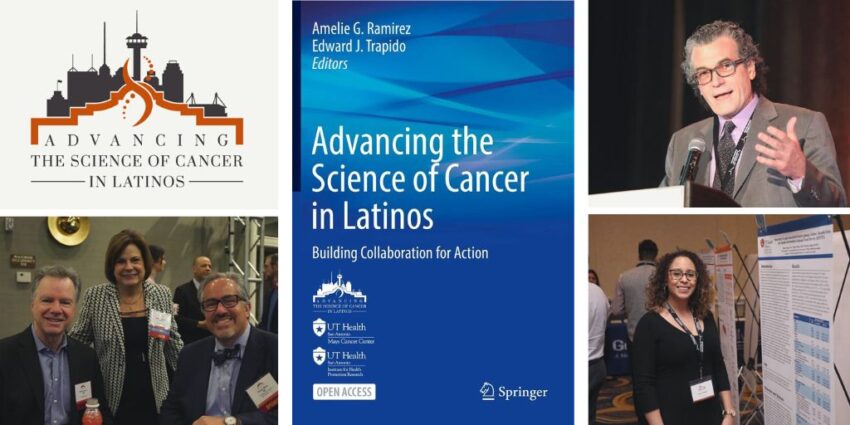
U.S. Latinos face heavier burdens of stomach, liver, and cervical cancers, and worse outcomes for many cancers, than their White peers. But why? Unfortunately, many factors cause these disparities, from poverty and a lack of healthcare access to cultural barriers, acculturation, and genetic heritage. That's why it takes everyone working together to address Latino cancer. To this end, UT Health San Antonio has published a new open-access book, Advancing the Science of Cancer in Latinos: Building Collaboration for Action. The book is a collection of articles based on presentations at the 2nd biennial Advancing the Science of Cancer in Latinos conference on Feb. 26-28, 2020, in San Antonio, co-hosted by Mays Cancer Center and the Institute for Health Promotion Research (IHPR) ...
The total economic output, or gross domestic product (GDP), for Latinos in the United States totaled to $2.8 trillion in 2020, up from $1.7 trillion in 2010. If the population of Latinos in the United States were its own country, it would be the fifth-largest GDP in the world. That is larger than the GDPs of France, India, and the United Kingdom, according to the Latino Donor Collaborative’s 2022 Latino GDP report. The Latino GDP report serves as a “factual view of the large and rapidly growing economic contribution of Latinos living in the United States.” Let’s dive deeper into the factors that contribute to the U.S. Latino GDP!
Growth of the Latino GDP
Today, Latinos account for 18.9% of the total U.S. population. As the Latino population has continued to grow ...
The U.S. has a violent child death problem. Developing strategies to prevent violent child death from firearms and traffic crashes is a demanding task that requires consideration of numerous upstream, interrelated, and tangential issues. To help safety advocates develop strategies to prevent violent child death, we compiled five frameworks to help: Understand and explain how proposed strategies will prevent violent child death
Layer multiple strategies to cover shortcomings in strategies
Prioritize upstream primary prevention strategies to improve outcomes for entire populations
Consider the level of intrusiveness of strategies
Apply racial equity tools to ensure equitable adoption/implementation of strategies The five frameworks include: Logic Model/Theory ...
We all want the best for our children. While the thought of enrolling your child in a clinical trial may sound scary, but there are plenty of benefits to trial participation. Some of these benefits include diagnosing, preventing, treating, and sometimes even curing childhood diseases. However, there are some potential risks to trial participation, too. Here’s everything you need to know about enrolling your child in a clinical trial.
What is a Clinical Trial?
Clinical trials are studies with volunteers that help researchers learn how to slow, manage, and treat different diseases. There are different kinds of clinical trials with different intended purposes. There are also four phases of clinical trials that each help scientists answer different ...
Hospitals, clinics, and nursing homes are where people come for care, so there is a high chance some patients will have an infection. When a person has an infection, their immune system may be weakened, making them more vulnerable to developing other infections or illnesses. That’s why it’s important to be aware of the things we do in healthcare that can put patients at greater risk of infection. For example, if a patient needs an IV, there’s a risk for infection if germs on their skin are pushed into their body by the needle, or if germs on the needle or another piece of equipment get into their body. In healthcare, we are more concerned about some germs than others based on: The amount of them in the environment.
If they can cause an outbreak in a healthcare ...
Latinos face a number of health disparities and inequities in many aspects including housing, transportation, and overall health. While it’s important to focus on the many barriers that Latinos face, it’s also beneficial to highlight the assets of this diverse population. Latinos have many individual and family strengths they can draw on to be resilience in the face of hardship and guard against the negative effects of adversity on their well-being, according to a new analysis from the National Research Center on Hispanic Children & Families. Let’s explore strengths of Latino children, parents, and families!
What Are Latino Children’s Strengths?
The new analysis, which reviewed 35 studies from 2000 to 2022, identified strong social skills as one of the key ...
Rapamycin is a medication approved by the US Food and Drug Administration as an immunosuppressant drug, making it helpful in preventing rejection in organ transplantation. The medication has also been tested in prior studies — like clinical trials, which help researchers learn how to better slow, manage, and treat diseases — as a treatment for cancer and to evaluate its effects on physical and cognitive function and immune health. Now, researchers at UT Health San Antonio are recruiting participants for a study to evaluate Rapamycin’s effects on heart function, heart muscle stiffening, and circulation. Participants will be compensated up to $300 for study completion, which involves five study visits over the course of about two months.
Who Can Participate in the Rapamycin ...