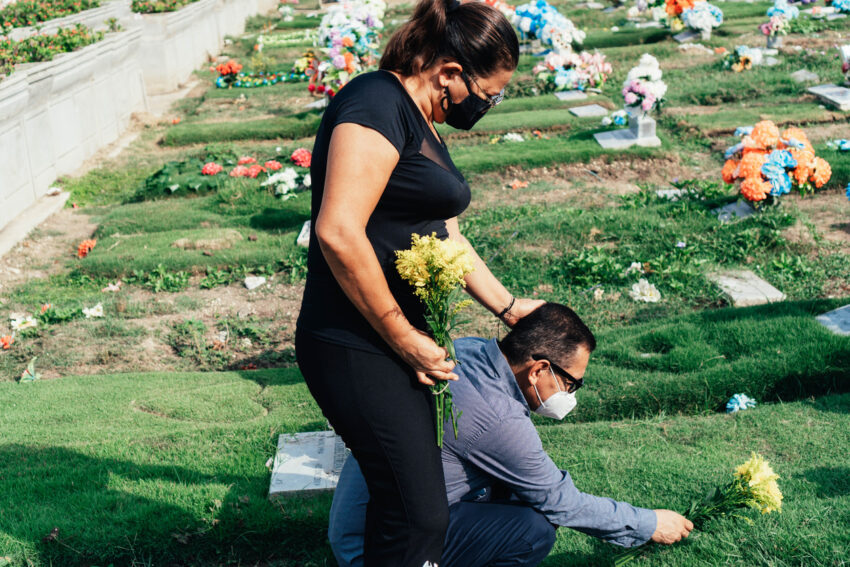
Gun violence and traffic crashes may seem like unpredictable events. But they are not random. They are systematic. Data reveal trends and patterns in gun violence and traffic crashes that can help us identify risk factors and protective factors. This is especially important for addressing violent child deaths. So what do the data show? Join Salud America! as we explore data on risk factors as part of our four-part series on violent child death. Read the Series Overview and Part 1.
Nothing is as Random as You Think
Very little is random when it comes to our health and length of life. Rather, trends in health outcomes point to various individual, social, and environmental factors that either contribute to or safeguard against health-related problems. Although often not ...
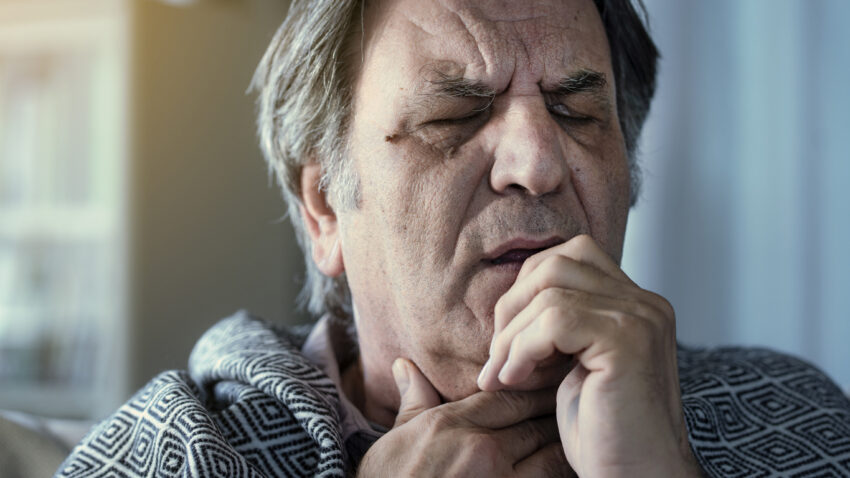
HPV-associated throat cancer is on the rise in men. With the typical patient being 50 to 60 years old, Black and Latino men are dying from the disease at higher rates than their white counterparts, regardless of the stage of diagnosis or the type of treatment they receive. These staggering statistics come from a 2022 study published in the Annals of Cancer Epidemiology. Here’s what you need to know about HPV-associated throat cancer, and what you can do to help prevent it.
What Causes HPV-Associated Throat Cancer?
HPV is short for human papillomavirus and is the most common sexually transmitted infection in the US, according to the Centers for Disease Control & Prevention. There are many types of HPVs, some of which can cause cancer later in life, according to ...
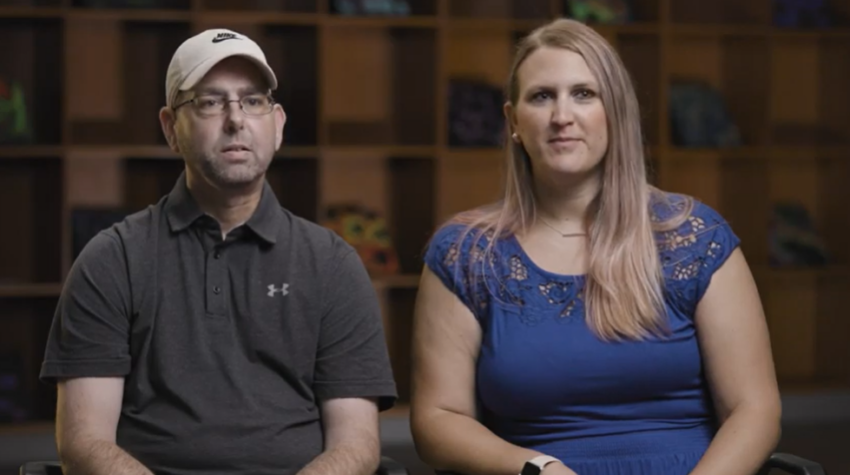
Timothy Leech just celebrated his 40th birthday when he got news that changed his life. Timothy was diagnosed with Stage 4 squamous cell carcinoma, a form of skin cancer, in 2014. Doctors told him he had only a short time to live. “I freaked out, for sure. I thought I was going to be gone real quick,” Timothy said. But, today, eight years later, Timothy is a cancer survivor. He credits his wife, Katie Leech, his medical team, and a clinical trial for getting him to where he is today – not entirely cancer-free but “so small that it’s immeasurable.” A clinical trial is a research study that helps researchers learn more to help slow, manage, and treat diseases like cancer. “It was very much like, this [clinical trial] is the last roll of the dice here,” ...
Timothy Leech acababa de celebrar su cumpleaños número 40, cuando recibió una noticia que cambió su vida. Timothy fue diagnosticado con carcinoma de células escamosas en etapa 4, una forma de cáncer de piel, en 2014. Los médicos le dijeron que le quedaba poco tiempo de vida. “Claro que me asusté, Pensé que me iba a ir muy rápido", dijo Timothy. Pero hoy, ocho años después, Timothy es un sobreviviente de cáncer. Él le da crédito a su esposa, Katie Leech, a su equipo médico y a un estudio clínico por llevarlo a donde está hoy, no completamente libre de cáncer, pero "tan pequeño que no se puede medir". Un estudio clínico es un estudio de investigación que ayuda a los investigadores a aprender más para ayudar a reducir el progreso, controlar y tratar ...
Did you know that germs are everywhere? The world is covered in germs! Everything has germs – every surface, material, and object, including your body. You read that right – your body is covered in germs, including viruses, bacteria, and some funguses. However, we’re often not aware of the germs around us and on our bodies because they’re too small to see and don’t usually cause harm to healthy people. In fact, many of those germs are good for us – they protect us and can keep other germs that could harm us from growing.
Reservoirs: A Natural Habitat for Germs
Whether germs are healthy or harmful to us, it’s important to know where they live and thrive – places called “reservoirs.” There are many reservoirs in the human body, such as our skin; ...
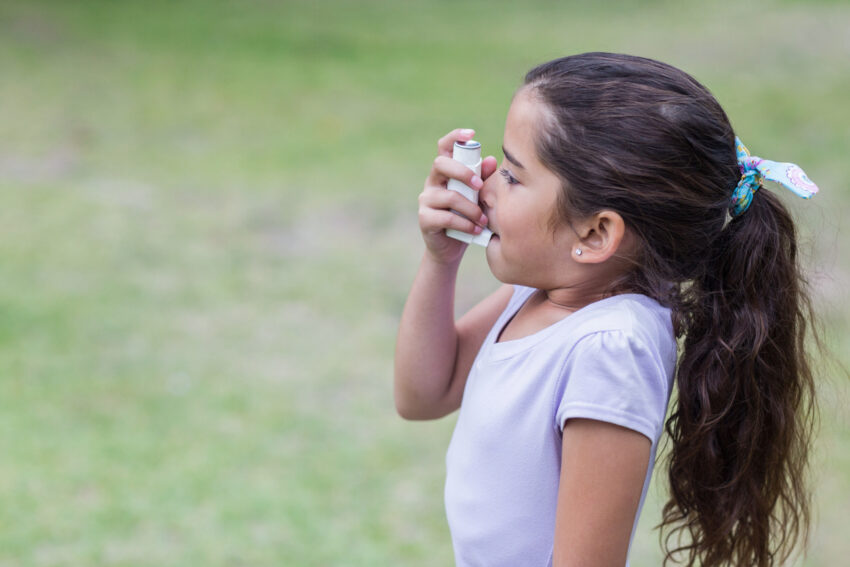
Clinical trials can help researchers learn to better treat asthma – but they need diverse volunteers. Black and Latino children who have severe asthma, are prone to asthma attacks, and live in low-income urban neighborhoods are underrepresented in asthma treatment clinical trials, even though they are more likely than whites to face health inequities that can exacerbate asthma symptoms. Fortunately, a recent National Institutes of Health (NIH)-funded clinical trial with mostly Black and Latino children found that a monoclonal antibody – mepolizumab – can decrease asthma attacks by 27%. Antibodies are made naturally in the body to fight infection. A monoclonal antibody is made in the laboratory and administered to patients to treat a variety of diseases and infections, ...
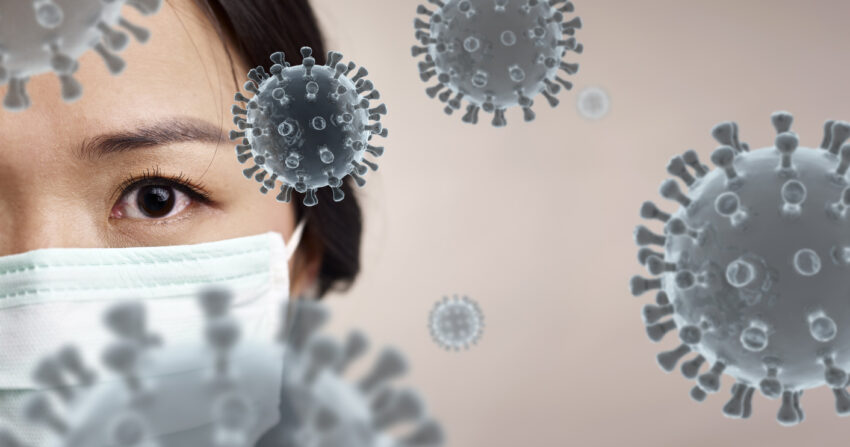
What’s the deal with COVID-19? Is the pandemic really over? Or should we brace for another wave of the coronavirus as winter approaches? While the number of cases, deaths, and hospitalizations from the virus are currently trending downward, there are still more than 100,00 new cases being reported by the Centers for Disease Control & Prevention (CDC) on some days. There are also days where more than 700 people have died from the virus. So, it’s still “COVID” out there, even though the “weather” has generally improved since the initial outbreak, which took a heavy toll on Latinos. There’s no crystal ball that can tell us the future, but public health leaders and data provide some insight as to just how “COVID” it will be this winter.
Yes, There Could Be ...
Willie Heard is a man of faith. His faith stood strong even after he got tragic news in September 2013. Heard was diagnosed with Myelodysplastic syndromes (MDS), a group of bone marrow cancers in which the bone marrow does not produce enough healthy blood cells. His cancer diagnosis came just months after retiring from his job at USAA and just shy of his 67th birthday. “I’m a religious person and a minister and, I think I remember telling the doctor, I said, ‘Doctor you do what you do, I’m gonna let God do what he does,’” said Heard, a resident of San Antonio, Texas. “[The cancer diagnosis] was a surprise to me, but I’ve always been a person that don’t really worry about stuff I can’t control, so I don’t let that bother me.”
Heard’s Decision to ...
Willie Heard es un hombre de fe. Su fe se mantuvo fuerte incluso después de recibir noticias trágicas en septiembre de 2013. Heard fue diagnosticado con síndrome mielodisplásico (SMD), un grupo de cánceres de médula ósea en los que la médula ósea no produce suficientes células sanguíneas sanas. Él recibió el diagnóstico de cáncer pocos meses después de retirarse de su trabajo en USAA y justo antes de cumplir 67 años de edad. "Soy una persona religiosa y un ministro y, creo que recuerdo haberle dicho al doctor, le dije: 'Doctor, haga lo que usted hace, y yo voy a dejar que Dios haga lo que Él hace'", dijo Heard, un residente de San Antonio, Texas. "[El diagnóstico de cáncer] fue una sorpresa para mí, pero siempre he sido una persona que realmente no se ...