The U.S. Latino population has risen to 62,647,044, representing 18.9% of the nation’s population, according to new Census Bureau estimates. The number of Latinos in the U.S. grew by 767,907 from 2020 to 2021, an increase of 1.2%, according to the newest data. Here is everything you need to know.
What Defines “Hispanic Origin” on the Census?
Individuals filling out the Census can choose between two ethnicities, “Hispanic or Latino” or “Not Hispanic or Latino” What defines being “Hispanic or Latino” when filling out the Census? According to the Census website, the U.S. Office of Management and Budget (OMB) defines "Hispanic or Latino" as a person of Cuban, Mexican, Puerto Rican, South or Central American, or other Spanish culture or origin regardless of ...
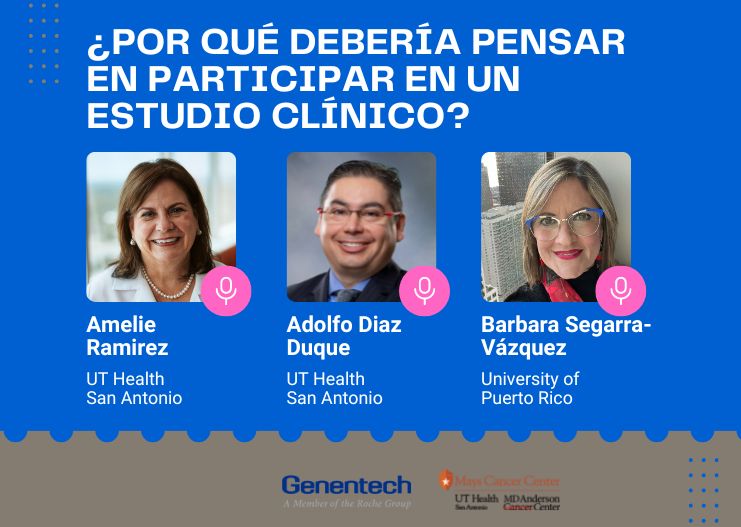
Clinical trials can have big benefits. They help researchers learn more to help slow, manage, and treat Alzheimer’s and cancer for ourselves and our abuelos, moms, dads, and others we love. So then why don't many Latinos join? To address this issue, you’re invited to join our Zoom webinar — Why Should I Think about Joining a Clinical Trial? — at 6 p.m. CT on Wednesday, Aug. 17, 2022. Webinar speakers Dr. Adolfo Diaz Duque of UT Health San Antonio and Dr. Bárbara Segarra-Vázquez of the University of Puerto Rico will help health care professionals and the Latino public understand clinical trial processes, explore trials as treatment options, and share testimonials of real Latinos who have benefited from trials. Panelists will also cover the barriers that prevent ...
Latino or Hispanic-serving colleges and universities have risen 94% in the last 10 years, from 293 in 2010 to 569 in 2020, according to a recent report by Excelencia in Education. Now 20 of the largest Latino-serving colleges are forming a new alliance to double Latino doctorates and increase the number of Latino professors by 20% by 2030. The Alliance of Hispanic Serving Research Universities, announced June 2022, aims to help increase Latino representation in higher education. Latinos make up less than 6% of US doctoral students and only 5% of college faculty. “Hispanics are the largest minority group in the United States and are now 17% of the workforce, yet they continue to be underrepresented in higher education,” Dr. Heather Wilson, Chair of the Alliance, said in a news ...
Los estudios clínicos pueden tener grandes beneficios. Ayudan a los investigadores a aprender más para ayudar a demorar, controlar y tratar el Alzheimer y el cáncer, para nosotros y nuestros abuelos, madres, padres y otras personas que amamos. Entonces, ¿por qué no muchos latinos participan en los estudios clínicos? Para abordar este problema, le invitamos a ver nuestro seminario web (Webinar) vía Zoom: ¿Por qué debería pensar en participar en un estudio clínico? — a las 6 p.m. CT el miércoles 17 de agosto de 2022. Los panelistas del seminario web, el Dr. Adolfo Díaz Duque de UT Health San Antonio y la Dra. Bárbara Segarra-Vázquez de la Universidad de Puerto Rico ayudarán a los profesionales de salud y al público latino a entender los procesos de los ...
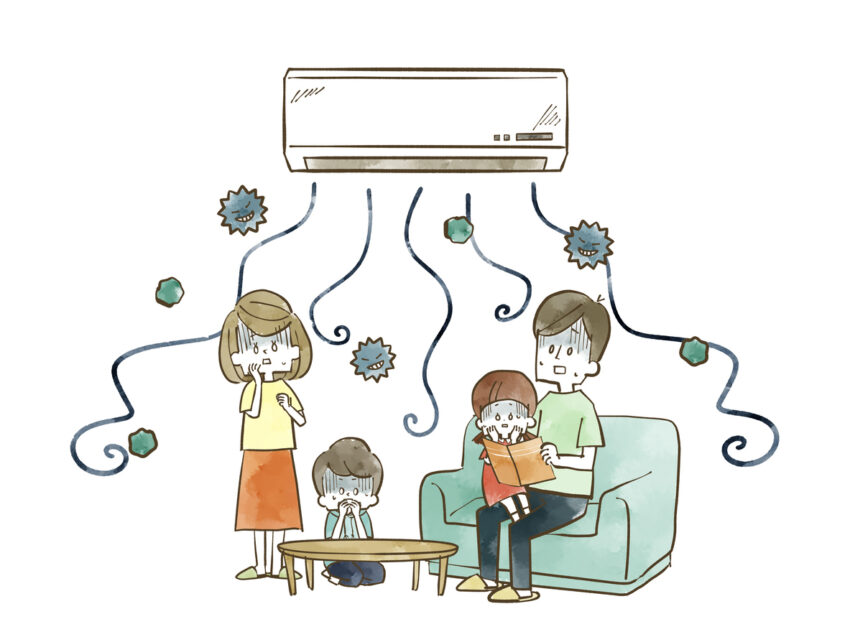
Ventilation is the movement of air in and out of spaces. Good ventilation can help remove things from the air that we don’t want to breathe in, such as chemicals and dust – and small virus particles released by someone who is infected with a respiratory virus, like SARS-CoV-2. “The fewer virus particles in the air, the less likely you are to breathe them in, or that the virus particles will land on your eyes or a surface that you might touch,” said Dr. Abigail Carlson, an infectious diseases physician with the Centers for Disease Control & Prevention (CDC), as part of CDC Project Firstline’s Inside Infection Control video series.
The Importance of Air Changes
Good ventilation involves air changes, which means that the air in a room is replaced with new or filtered ...
Throughout the COVID-19 pandemic, many schools had the flexibility to offer school meals free to all public-school students. Now, some of this flexibility is expiring and many schools can only serve free meals to certain students starting this 2022-2023 school year, according to the USDA. “As we all get through this change, we ask everyone to be patient with school nutrition professionals and thank them for working to help children during such a tough time. The [USDA] and the Biden-Harris Administration fully support the school leaders and school meal heroes running the school meals programs,” according to the USDA. For Latino students, whose families often face wage gaps and nutrition insecurity, these changes could have a significant impact. Here is what these recent ...
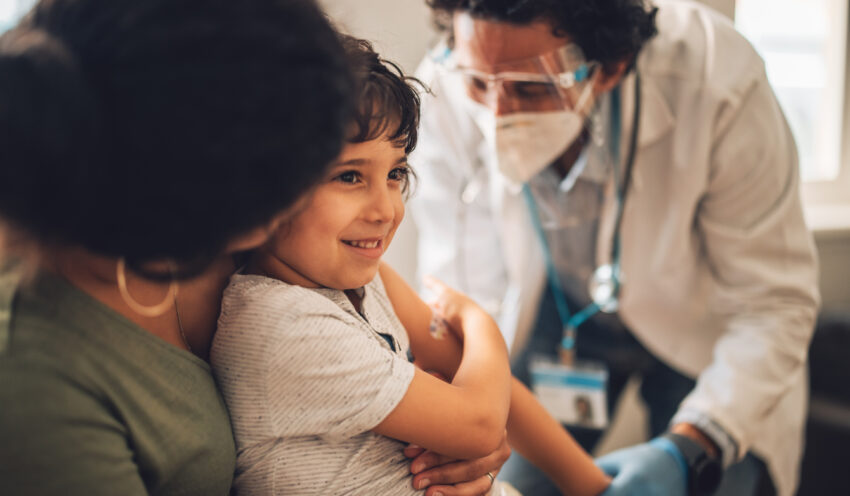
COVID-19. Flu. Hepatitis. Measles. Mumps. Polio. We face many health threats in life, but we have an important tool – vaccines – to protect ourselves against these and other serious diseases. Who should get vaccines? For which diseases? And when? And why do some groups, like Latinos, face vaccine barriers in access and uptake? Let’s use #SaludTues on Tuesday, Aug. 2, 2022, to explore the availability of vaccines and how we can promote equitable access to and uptake among Latinos and other people of color, in celebration of National Immunization Awareness Month in August. WHAT: #SaludTues: Get Your Vaccines!
TIME/DATE: 1-2 p.m. EST (Noon-1 p.m. CST), Tuesday, Aug. 2, 2022
WHERE: On Twitter with hashtag #SaludTues
HOST: @SaludAmerica
CO-HOSTS: U.S. Dept. of ...
Have you ever wondered how where you live affects your life expectancy? Now you can find out thanks to the first comprehensive, US county-level life expectancy estimates. The analysis, published in Lancet by researchers at the University of Washington and others, estimates life expectancy for five racial/ethnic groups, including Latinos, in 3,110 US counties over 20 years (2000-2019). Let’s explore what the study found about Latino life.
What Is Latino Life Expectancy?
Nationally, the study revealed that life expectancy for Latinos increased an average of 2.7 years – from 79.5 years in 2000 to 82.2 years in 2019 – during the 20-year study period. This increase in life expectancy was larger than average (2.3 years) and the highest life expectancy nationally and across ...
Youth are facing a mental health crisis that is so widespread that U.S. Surgeon General Dr. Vivek H. Murthy has issued a new advisory calling it an “urgent public health issue.” That is especially true for Latino youth. But why? Let’s explore the mental health challenges impacting Latino youth, and how we can make a difference for these children and teens.
1. Latino Youth Struggle with Suicide and Depression
Depression is the most debilitating health issue in the Latino community, NoStigmas reports. Around 17.7% of Latinos suffer from depression during their lifetimes. Only 7.2% of Latinos are diagnosed with depression compared to white Americans. In addition, suicide is the 12th-leading cause of death for both Latino and non-Latino people of all races. 8.6% ...