Latinos represent less than 10% of volunteers in cancer clinical trials. The lack of Latinos in clinical trials makes it harder for researchers to find treatments tailored for this group — which makes up 18.5% of the U.S. population and a diversity of heritages. This is why Drs. Amelie G. Ramirez and Patricia Chalela of UT Health San Antonio identified barriers and strategies to boost Latino representation in clinical trials in a new commentary in JCO Oncology Practice. It will take more than simply raising awareness of clinical trials to everyone. "To achieve equitable participation of Latinos and other underrepresented groups in clinical research, we need comprehensive approaches that address social and contextual barriers to participation," said Ramirez, leader of the ...
Los latinos representan menos del 10% de los voluntarios en los estudios clínicos de cáncer (enlace en inglés). La falta de latinos en los estudios clínicos hace que sea más difícil para los investigadores encontrar tratamientos desarrollados específicamente para este grupo – que representa el 18.5% de la población de los Estados Unidos y una diversidad de culturas. Las doctoras Amelie G. Ramírez y Patricia Chalela de UT Health San Antonio identificaron barreras y estrategias para promover la representación latina en los estudios clínicos en un nuevo comentario (enlace en inglés) publicado en JCO Oncology Practice. Se necesitará más que simplemente aumentar el conocimiento sobre los estudios clínicos. "Para lograr la participación equitativa de los latinos y ...
Oncologists who identify as Latino remain highly underrepresented in the workforce, according to a new report from the American Society of Clinical Oncology (ASCO). Although the percentage of Latino hematologists/oncologists has risen slightly over the past decade, from 4.1% in 2008 to 4.7% in 2018, Latino participation decreases at nearly every step in the path to becoming an oncologist, according to ASCO. “As a result, [Latino] patients are deprived the benefits of a representative workforce, such as improved access, enhanced culturally and linguistically competent care, and minimization of health disparities,” wrote Dr. Gladys Rodriguez of the START Center for Cancer Care in San Antonio, and her colleagues, in a recent study in JCO Oncology Practice. Why is this a ...
Different viruses are spread in different ways. The main way that SARS-CoV-2, the virus that causes COVID-19, spreads between people is by respiratory droplets. “In this case, a ‘droplet’ doesn’t just mean water that you can see, like big raindrops or splashes in the sink or a pool,” said Dr. Abigail Carlson, an infectious diseases physician with the Centers for Disease Control & Prevention (CDC), as part of CDC Project Firstline’s Inside Infection Control video series. “These droplets we’re talking about are actually really tiny, and where they come from may surprise you.”
Where Do Respiratory Droplets Come From?
You might think that when you breathe out, all that comes out is air. But our breath contains water too, in the form of respiratory droplets. ...
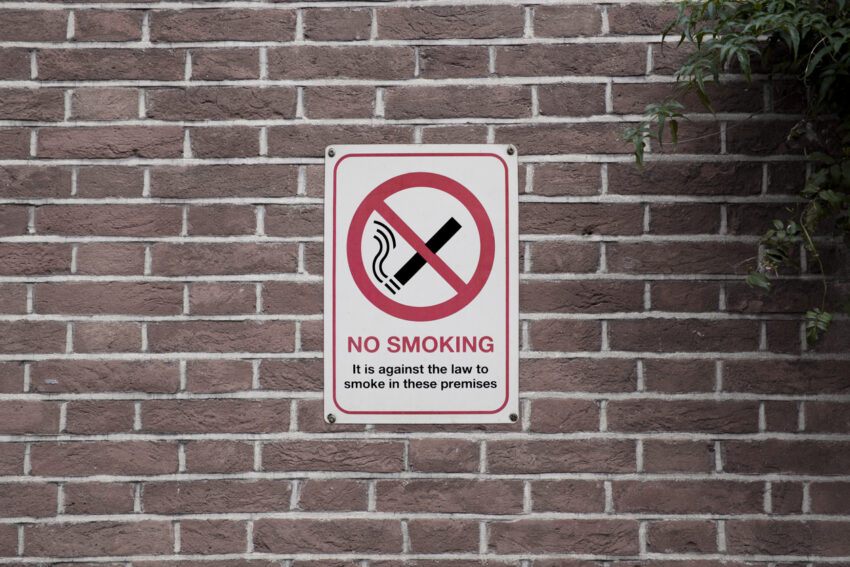
Two more cities have prohibited smoking inside apartment units. On April 26, 2022, Riverside, Calif., city leaders preliminarily approved a ban on smoking in multifamily-housing rental complexes, including individual apartment homes and attached balconies and patios. Latino tenants helped drive the measure. On May 10, 2022, Vallejo, Calif., city leaders banned smoking in multi-unit residences. Bans like these—to reduce exposure to harmful secondhand smoke among apartment and condo tenants—are on the rise. "Upon adoption, Riverside would join at least 167 California cities and counties that have enacted ordinances to restrict smoking in multifamily housing complexes, said Karina Funez, advocacy policy manager for the American Lung Association in California, which has been ...
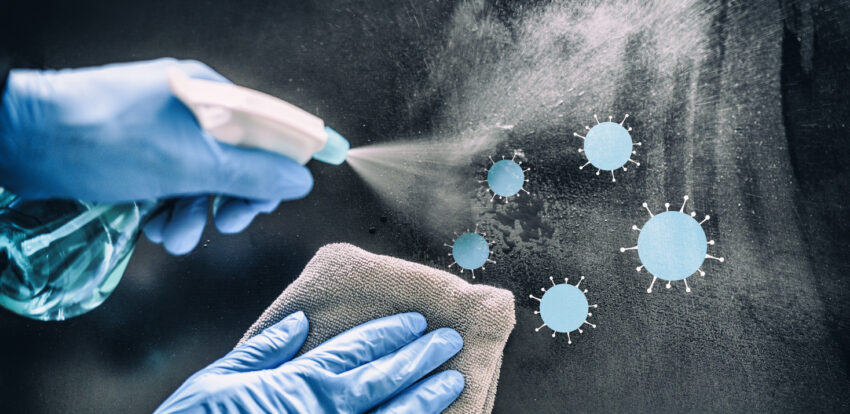
Cleaning removes dust, dirt, and germs from surfaces and objects. Disinfection makes sure that as many germs as possible are destroyed or killed. Cleaning and disinfection are both important infection control actions in hospitals and other healthcare settings because they keep germs away from people and help keep germs from spreading. Seems like common sense, right? “Even though it’s common sense, it’s important to think through all the reasons why we’re so careful about keeping an environment clean,” said Dr. Abigail Carlson, an infectious diseases physician with the CDC, as part of CDC Project Firstline’s Inside Infection Control video series.
The Importance of Cleaning and Disinfection: The Immune System
When we are healthy, our bodies have many built-in ways to ...
Unfortunately, Latino men have lower cancer screening rates than their White peers. Only 30% of Latino men received a PSA test for prostate cancer in the past year, compared to 37% of White men. Colorectal cancer screening was lower in Latinos (49%) than Whites (58%), too. To address this issue, you’re invited to join our webinar — Men, Why Should You Get Screened for Cancer? — at 2 p.m. CT on June 9, 2022. This Zoom webinar will feature guest speakers and patient advocates to help health care professionals and the Latino public understand the cultural and other barriers to screening, demystify screening tests, and share stories of Latino men's screening and cancer survival. This is the fourth webinar of a new series, “Let’s Address Health Equity Together.” The ...
Do you realize how many things you touch with your hands every day? When we touch anything from our phones to our doorknobs, we can pick up germs like bacteria, fungi, and viruses. Germs can get in between our fingers or under our fingernails where it’s warm and damp, or in cuts on the skin, and grow and spread quickly, causing illness. That’s why hand hygiene and cleaning your hands is an important for infection control for frontline healthcare workers. “The simple answer is, when you clean your hands, you're stopping the spread of germs to your patients, to the environment, and to the things in the environment and from your patients or the environment to you,” said Dr. Abigail Carlson, an infectious diseases physician with the CDC, as part of CDC Project Firstline’s ...
June is Alzheimer’s & Brain Awareness Month! This is a good time to reflect on the many challenges and inequities facing people of color in the United States when it comes to Alzheimer’s Disease, dementia, and brain health. Sadly, U.S. Latinos are 1.5 times more likely to develop Alzheimer’s disease than whites. Latino caregivers experience high levels of stress when supporting their family members with the disease. Let’s use #SaludTues on Tuesday, June 7, 2022, to tweet about the latest data, strategies, and programs to prevent and reduce Alzheimer’s disease and promote better brain health among Latinos and all people! WHAT: #SaludTues: How to Address Alzheimer’s in the Latino Community
TIME/DATE: 1-2 p.m. EST (Noon-1 p.m. CST), Tuesday, June 7, 2022
...