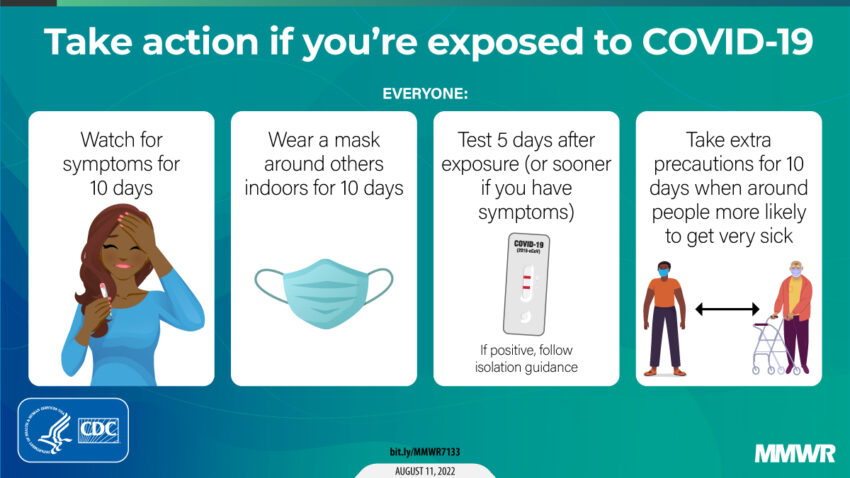
COVID-19 is not over, especially for Latinos. To help people stay vigilant in stopping the spread, the CDC recently published an updated Summary of Guidance for Minimizing the Impact of COVID-19 on Individual Persons, Communities, and Health Care Systems. “To prevent medically significant COVID-19 illness and death, persons must understand their risk, take steps to protect themselves and others with vaccines, therapeutics, and nonpharmaceutical interventions when needed, receive testing and wear masks when exposed, receive testing if symptomatic, and isolate for [greater than or equal to] 5 days if infected,” the CDC reported on Aug. 11, 2022. Vaccines and Therapeutics to Reduce Medically Significant Illness The CDC recommends a strategic approach to minimize the impact ...
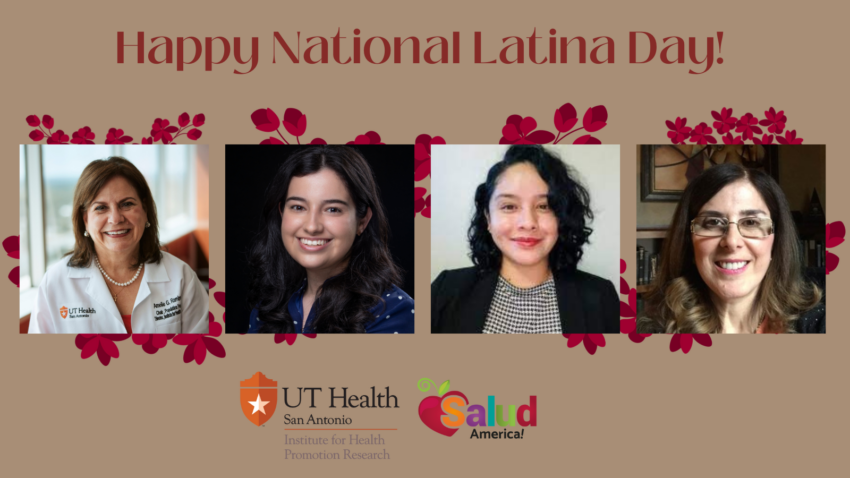
Today we honor Latinas who are mitigating health inequities and disparities in the Latino community for National Latina Day on Aug. 20, 2022. Here are their stories of resilience, hard work, and success.
Dr. Amelie G. Ramirez
Meet Amelie G. Ramirez, DrPH, an internationally recognized researcher and director of Salud America! and its home base, the Institute for Health Promotion Research at UT Health San Antonio. She is also Chair of the Department of Population Health Sciences, and Associate Director of Cancer Outreach and Engagement at Mays Cancer Center at UT Health San Antonio. Amelie has spent more than 30 years reducing chronic disease and cancer health disparities affecting Latinos through human and organizational communication research. Q: What inspired you to choose ...
Did you know guns and traffic crashes are the leading causes of death for youth ages 1-19? These deaths are problematic and unacceptable for four key reasons: These child deaths are unnatural and violent.
Child deaths from guns and traffic crashes have risen since 2013, with spikes in both in 2020.
Traffic and firearm death rates among American youth are higher than other high-income countries.
These violent deaths are preventable. Traffic and gun violence are not criminal justice issues, they are public health issues. Preventing violent child deaths from traffic crashes and firearms requires a comprehensive and multi-layered public health approach to: Define and monitor the problem
Identify risk and protective factors
Develop prevention strategies
...
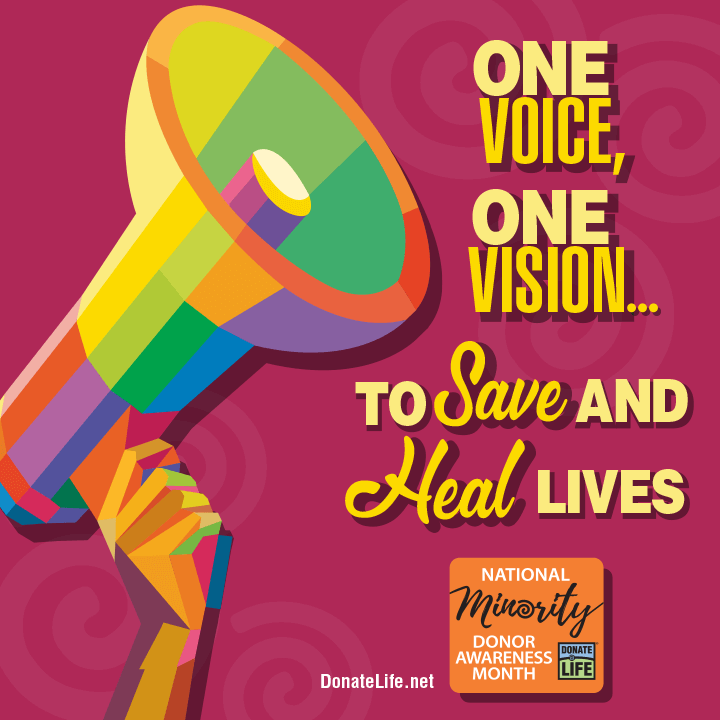
Just as Latinos are underrepresented in medicine and clinical trials, they are also underrepresented in organ donation. In honor of August being National Minority Donor Awareness Month, here’s everything you need to know about organ donation, and why you should become a donor.
What is Organ Donation and Transplantation?
Organ donation and transplantation involves removing an organ from one person (the donor) and surgically placing it in another (the recipient). This process is done when the recipient’s organ has failed and they need a new organ to survive. Organ donation and transplantation can be performed with both living and deceased donors.
Living Donation
A living donation is an opportunity to save a life when you are still alive. Organs that can be donated ...
UT Health San Antonio and other Texas universities are looking for healthy adults age 18 and older to participate in research studies across the state. Learn more about this opportunity and how you can participate!
What is the Aim of the Studies?
The University of Texas System Health Biobank Consortium is a collaborative effort among eight UT institutions to standardize and expand access to human biospecimens. Biospecimens are materials from the human body. They include tissues (hair, skin, or organs) and fluids (blood, urine, or saliva). These samples contain cellular, molecular, and chemical information. Along with the samples, biosbanks store biospecimens with personal and medical information (age, sex, race/ethnicity) and details about a donor’s lifetime environmental ...
Latinos and other minority groups are disproportionately contracting the monkeypox virus, according to a recent report released by the Centers for Disease Control and Prevention (CDC). The monkeypox virus, which began infecting Americans in May 2022, has since been declared a global emergency by the World Health Organization and a public health emergency by the Biden-Harris Administration. As of August 12, 2022 there are 10,768 confirmed cases of monkeypox in the US.
Monkeypox Cases by Race/Ethnicity
99% of monkeypox cases are occurring in men. Of those, 94% of men report male-to-male sexual or close intimate contact within three weeks before experiencing symptoms. 41% of monkeypox cases were among Whites, 28% among Latinos, and 26% among Blacks, according to the CDC ...
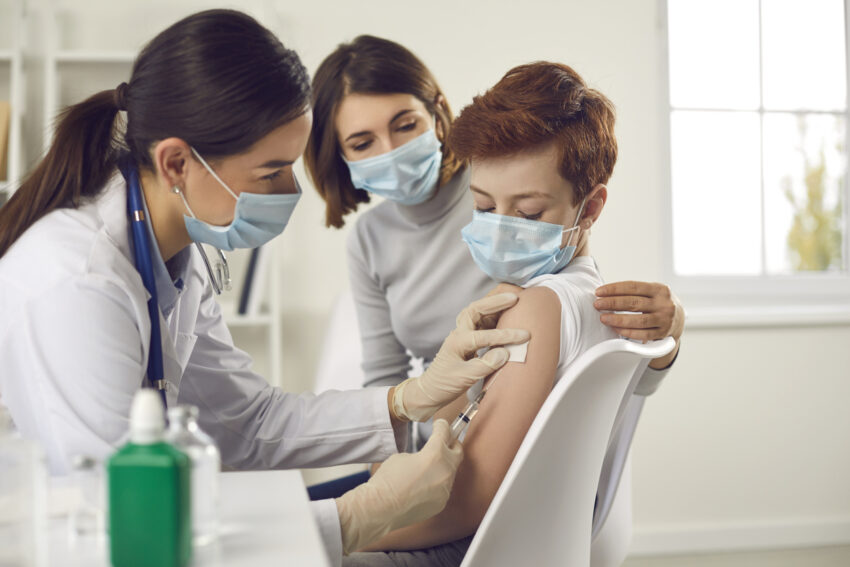
It’s that time of year again! Summer is ending and children are returning to school. Just as you prepare your child for the upcoming school year with school supplies, consider preparing them for a healthier life free from Human Papillomavirus (HPV)-related cancers with an HPV vaccine. Now is the perfect time to schedule your child’s annual wellness visit to receive the vaccine – before life gets hectic again.
What is HPV?
HPV is short for human papillomavirus. There are many types of HPVs, some of which can be sexually transmitted and cause cancer later in life, according to the American Cancer Society. HPV is the most common sexually transmitted infection in the US. HPV is so common that almost every sexually active person will get HPV at some point in their lives if ...
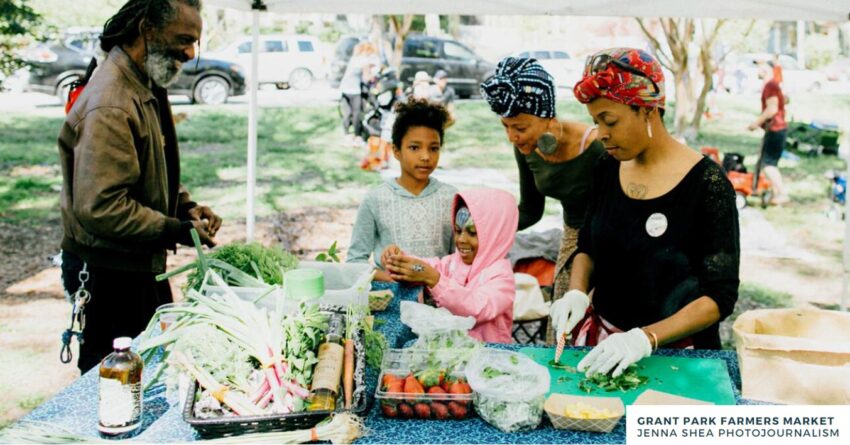
Does your town have a farmers market? Farmers markets are a path to healthy food access. They are especially important amid the push for nutrition security and racial/ethnic justice. Fortunately, the Farmers Market Coalition is stepping up to support farmers markets. They’re supporting markers, creating an anti-racist toolkit, and sharing how markets increase equitable access to healthy, fresh produce and social connections, and engage farmers in the local economy. "As hubs for connection and community resilience, farmers markets have particularly risen to the occasion this year by providing a necessary sense of unity and stability during a time of great uncertainty," according to the coalition. "Farmers markets don’t just happen. The hard work of farmers market operators ...
Alcoholism in the U.S. has increased since the start of the COVID-19 pandemic. “A one-year increase in alcohol consumption in the U.S. during the COVID-19 pandemic is estimated to cause 8,000 additional deaths from alcohol-related liver disease, 18,700 cases of liver failure, and 1,000 cases of liver cancer by 2040,” according to a press release from the Massachusetts General Hospital. In addition, deaths caused by alcohol are up, too. After increasing 2.2% a year over the previous two decades, deaths involving alcohol jumped 25.5% between 2019 to 2020, totaling 99,107 deaths,” according to a 2022 study. “Deaths involving alcohol reflect hidden tolls of the pandemic. Increased drinking to cope with pandemic-related stressors, shifting alcohol policies, and disrupted ...