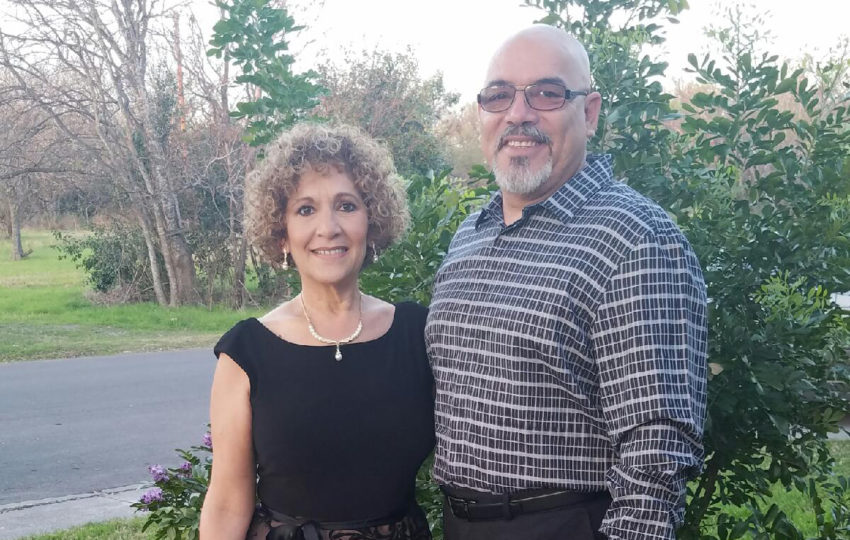
After Judy Regalado learned a close friend had died of colorectal cancer in her mid-30s, and after experiencing similar symptoms herself, she knew she had to get checked. But because the San Antonio area resident didn't have a family history or other risk factors, doctors asked her to wait until she turned 50 for a colonoscopy. They told her the symptoms could just be hemorrhoids, and referred her to a gynecologist instead. Judy still felt her symptoms could be something more serious. “I made an appointment with my primary care doctor and insisted on a colonoscopy, and I’m glad I did because I was diagnosed with stage III rectal cancer,” Judy said. “If I had not requested to have a colonoscopy, I would have been a statistic.” The colonoscopy caught Judy’s cancer ...
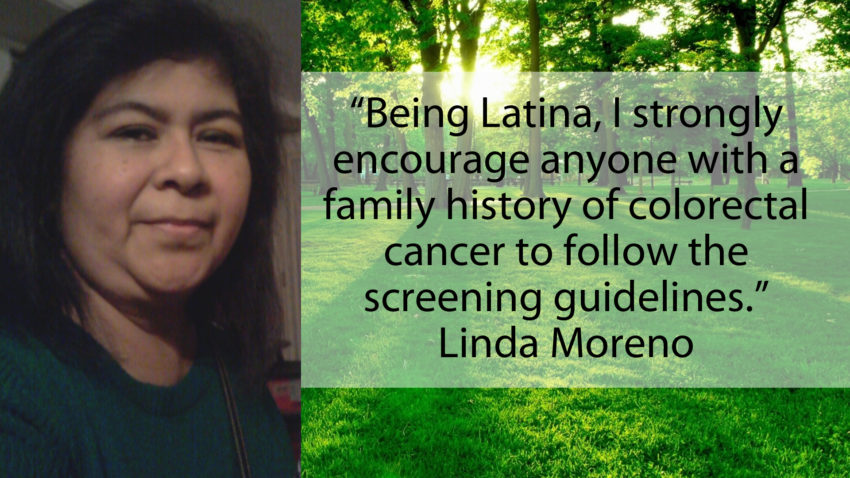
Linda Moreno and her San Antonio family provide a powerful example of the importance of family history and getting screened for colorectal cancer. One of six children, Moreno has a family history of diabetes, high blood pressure, rheumatoid arthritis, stomach and thyroid cancer. But she had no family history of colorectal cancer. After two of her siblings were suddenly diagnosed with colorectal cancer within two months of each other, Moreno and her three other siblings rushed to get themselves screened. “It was a shock to see my brother and sister diagnosed with colorectal cancer,” Moreno said. “I had my first screening colonoscopy at the age of 33 due to my family history. They found and removed two polyps.” Moreno, a mother of two, is now diligent in keeping a ...
SaludToday Guest Blogger
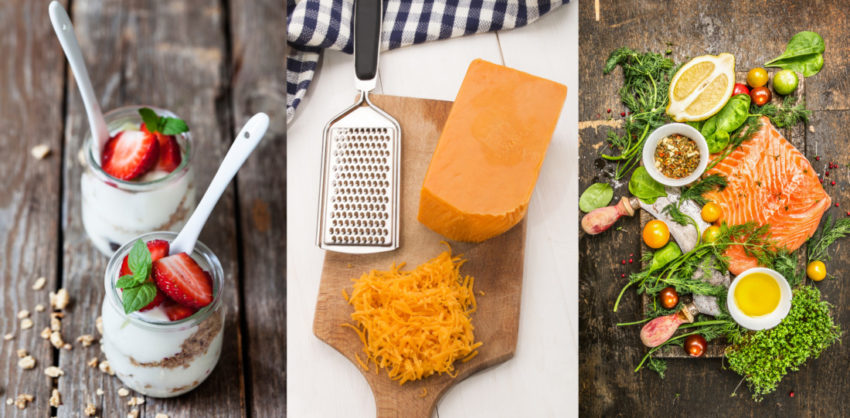
Jefferson Dental Care In the mouth of the average Latino adult, you will find eight decayed, filled or missing teeth—but you may not find enough yogurt or leafy greens. Eating vitamin-packed foods, like those, can fight cavities. Putting the right foods in your mouth also can reduce plaque, support oral health, and boost overall health (even if they can’t heal existing cavities). Here’s our guide for picking foods to give your mouth a healthy boost.
Dairy
1. Cheese is supercharged with calcium and phosphorus, which supports absorption of calcium, and vitamins D and K. In a 2013 study in the Journal of General Dentistry, researchers found that consuming cheddar cheese is effective at fighting cavities by raising the pH level inside the ...
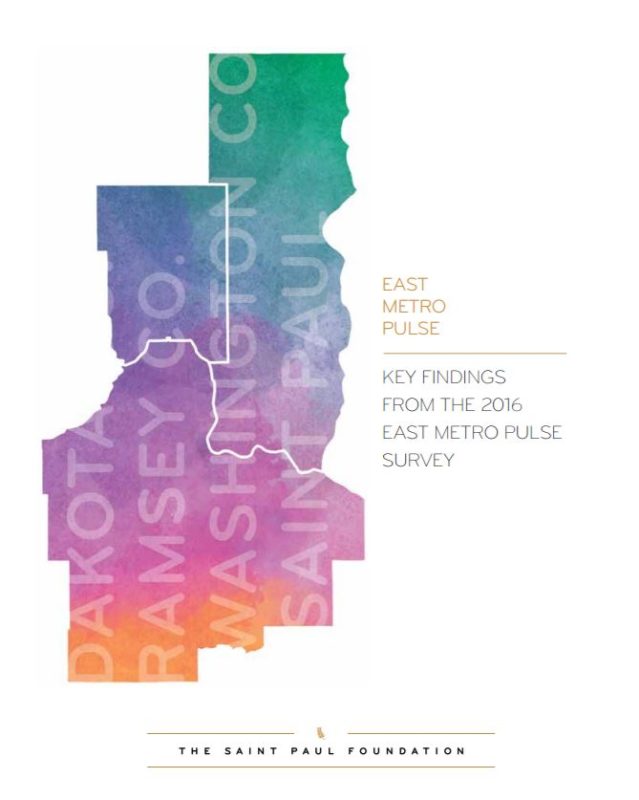
Lack of support can hinder Latino health. Recently, the St. Paul Foundation – a nonprofit community foundation based in St. Paul, MN (9.53% Latino population) – conducted a survey of more than 1,500 area residents to learn about their transportation, health care, and housing statuses. According to the Pioneer Press, the Foundation received a total of 400 completed surveys from respondents in Dakota County, 480 from Washington County and 430 from St. Paul, as well as another 230 from Ramsey County. Among the findings, the area has seen a large influx of Latinos since the year 2000. In Dakota County (6.44% Latino population), as an example, the Latino population has tripled in that time frame. In terms of transportation and transportation equity, the surveys determined ...
Crime, violence and the fear of violence lead to reduced physical activity and loss of motivation to invest in health. According to a report from Safe Routes to School National Partnership (SRTS), 23% of Latino parents reported their neighborhoods were unsafe, compared with 8% of white parents. It is critical to address crime and violence for Latinas because 40% fewer girls than boys walk and bicycle to school and 52% of Latina girls are expected to get diabetes over the course of their lifetime. Additionally, Latinos are disproportionately burdened by traffic fatalities compared to whites. The Taking Back the Streets and Sidewalks report from SRTS is a reference for those working on violence prevention to increase the safety and health of children and youth, and ensure that ...
Asthma is a serious lung disease that disproportionately affects Latinos – especially children. Numerous factors, including housing situations, economic status, and access to healthcare, weigh heavily on many Latinos with asthma. One report found that Latino kids are 40% more likely to die from an asthma attack than their white peers! Nearly 20% of all Latino kids under the age of 18 also suffer from asthma. While asthma never really goes away, it can be managed. One way is to watch what you eat. Food has an influence on asthma symptoms and some foods can make asthma worse. While not everyone reacts the same way, here are some common foods to avoid if you or someone in your family has asthma. Dried Fruit Many kinds of dried fruits include preservatives that are ...
With obesity rates rising for the Pacific Island Nations, islands like remote pacific island nation Vanuatu is planning to outlaw imported food throughout all the 12 inhabited islands. The plan is to keep government functions and tourist establishments free from junk food, and instead offer up healthy organic local foods like coconut, lobsters and more. Public health experts who study the island nations welcomed the ban according to the New York Times, that explains how millions of people are dealing with rising rates of type two diabetes, and it would be untenable to send patients abroad for dialysis treatment or kidney transplants. The World bank reported in 2014, that four Pacific island nations were dealing with female obesity rates of at least 50%. More than half of the ...
A new study reported by USA Today has confirmed some really bad news. Over the past four decades, colon and rectal cancers have increased dramatically and steadily, especially in young and middle-age adults. This could be even worse news for Latinos. According to statistics from the American Cancer Society, colon cancer is the second leading cause of cancer deaths among Latino men and the third leading cause of cancer deaths among Latina women. Scientists have not pinpointed an exact cause, but they have theorized that the rising obesity rats and inactivity and poor diets have played a factor in this news. “Colorectal cancer had been thought a success story” because overall rates have fallen as screening has increased among older adults, said lead researcher Rebecca Siegel ...
To help decrease the increasing rates of obesity and ensure greater health for students in the Philippines, a congressman announced on Monday, March 13th, 2017 a Healthy Drinks bill for all public schools in the country. The act hopes to improve the diet of over 21 million students in the country where more than 46,000 public schools will have to limit, if not ban, the sales of soft drinks and energy drinks in schools. Ang Edukasyon, party-list Rep. Salvador Belaro explained to radio dzBB, that the World Health Organization (WHO) has encouraged banning or limiting sugary drinks, and now that sugary beverages are so cheap in Filipino schools, it has become a popular drink of choice for students during recess time. However popular sugary drinks are for kids, they usually contain ...