Everyone needs proper sleep, especially Latinos. Lack of sleep contributes to heart attacks, diabetes, obesity and other serious health issues that disproportionately affect Latinos, CDC reports. For World Sleep Day on March 16, 2018, let's explore why sleep is important for your health, how much Latinos sleep (or don't sleep), and how you can improve your sleeping habits. World Sleep Day is directed by World Sleep Society, World Association of Sleep Medicine, and World Sleep Federation.
How Much Sleep Do We Need?
The National Institutes of Health (NIH) suggests that children need at least 10 hours of sleep daily, teens need 9-10 hours, and adults need 7-8 hours.
Why Is Getting Enough Sleep Such a Big Deal?
People who get insufficient sleep are also more likely to suffer from ...
"Transportation professionals should be more concerned about the personal safety of Black and Hispanic cyclists because they are in a position to change how the built environment either acts as a conduit or barrier to criminal activity," Charles T. Brown, a transportation researcher and adjunct professor of planning and public policy at Rutgers University, wrote in his report, Fear: A Silent Barrier to Bicycling in Black and Hispanic Communities. Brown saw a lack of research on transportation justice, which prompted him and James A. Sinclair, research manager at the New Jersey Bicycle and Pedestrian Resource Center, to explore why some Black and Hispanic individuals choose not to bicycle; what prevents people of color who do bike from cycling more often; and how to encourage all ...
El Día Mundial del Sueño es el 17 de marzo de 2017. Este día de conciencia global es un momento importante para continuar la discusión de mejorar los hábitos de sueño saludable. De hecho, los Centros para el Control y la Prevención de Enfermedades han declarado insuficiente sueño un problema de salud pública; un contribuyente a la hipertensión, la diabetes, la depresión, la obesidad y el cáncer. De acuerdo con el Instituto Nacional de Salud, el insomnio le cuesta a la economía de los Estados Unidos hasta $411 mil millones al año en pérdida de productividad. Los trastornos del sueño afectan a entre 50 y 70 millones de estadounidenses. Por eso, Kaiser Permanente desarrollo un video útil de consejos que la gente puede utilizar para dormir mejor y para mejorar la ...
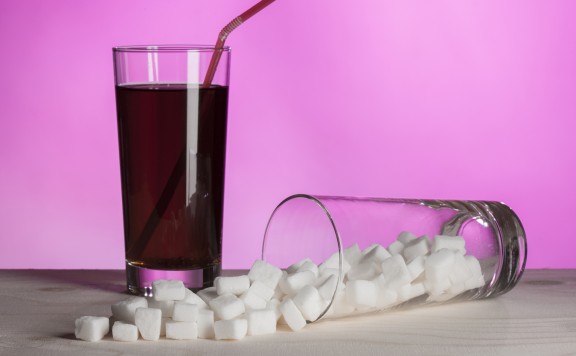
Sugary drink taxes and other policy restrictions on sugary drinks are growing in popularity across the globe to help reduce sugar intake in order to decrease rising obesity levels. Now British Chancellor Philip Hammond announced a two-tier levy of 18 pounds on drinks that have five grams of sugar per 100ml and the higher 24-pound rate on those with more than eight grams per 100ml. The British Soft Drinks Association opposes the tax, but the Obesity Health Alliance supports the tax. The tax set to be implemented starting in April 2018 doesn't include milk or pure fruit juice drinks but does include some alcoholic drinks. A spokeswoman from the Obesity Health Alliance told local news Sunderland Echo, "This is a significant step in the battle against obesity and the Government ...
One of the key social determinants of health is a simple one that often goes overlooked. Where you live has a lot to do with how healthy you are going to be. Many Latinos are often forced to live in low-income, high-poverty, high-crime areas. These areas often have limited access to active spaces, healthy food choices, and health care. These inequities play great impact on the future success of many Latino youths. A recent study of public housing areas in Denver, Colo. (31% Latino population), that showcases the vast benefits of neighborhood economic diversity on Latino youths. The researchers chose Denver because of the wide-range of neighborhood options available to affordable housing users. In order to reduce health disparities, it is critical to address inequities in ...
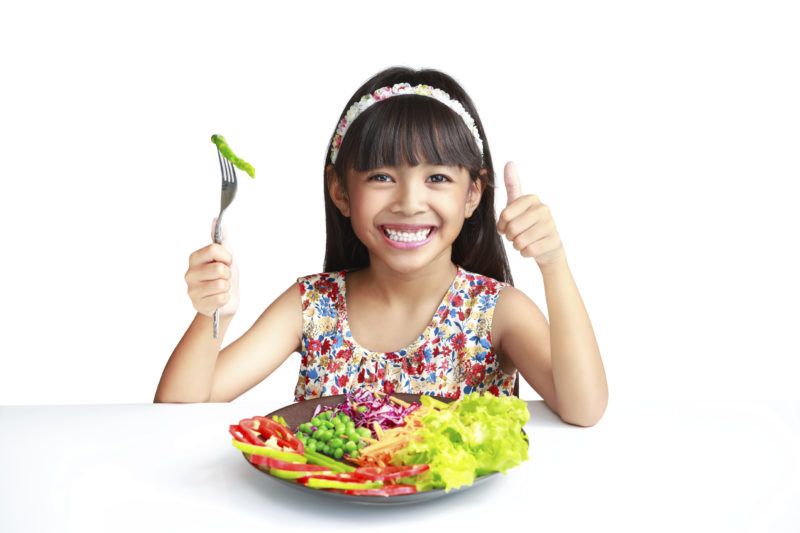
As many parents know, and research shows, US kids are not getting enough vegetables into their diets. Although there are many ways to hide greens into kids' diets, experts suggest to keep them in plain view on the plate. According to a study from the Centers for Disease Control and Prevention (CDC) reported that 93% of US children ages 1 to 18 do not meet current recommendations for vegetable intake. However, blending spinach into your child's favorite strawberry shake may seem a tempting way for them to "like" spinach, the best way to offer vegetables is repeated exposure up to 8 to 15 times, explained psychologist, Lucy Cooke to NPR. Through her own research, Cooke found that kids trying new vegetables at school or at home, were more likely to eat more of the same vegetable three ...
Most people know that what you eat affects your health. Too much sugar, salt, or fat in a person’s diet can raise their risk for certain diseases. And, for the most part, we all try our best to eat better. Eating healthier can lower the risk for heart disease, stroke, diabetes, and other health conditions. In many Latino neighborhoods, fast food and corner stores often outnumber and are used more than supermarkets and farmers’ markets, resulting in inadequate consumption of healthy foods and overconsumption of unhealthy foods. According to the National Institutes of Health, a healthy eating plan focuses on vegetables, fruits, whole grains, and fat-free or low-fat dairy products; it also includes eating lean meats, poultry, fish, beans, eggs, and nuts, and limits saturated and ...
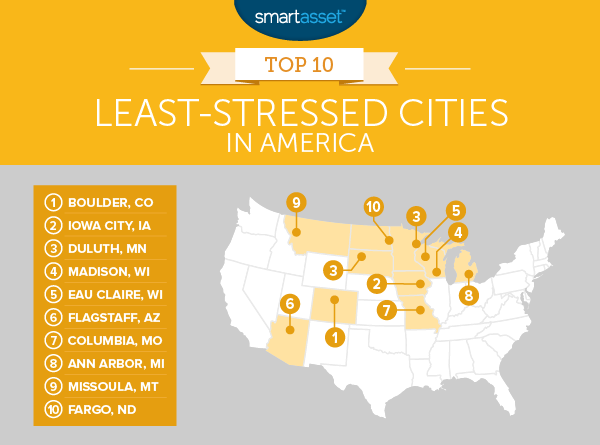
Stress often factors in as a huge burden on the health of many Americans, including much of the Latino population. A survey by the Robert Wood Johnson Foundation found that health concerns – either an existing illness or disease or the financial costs associated with needing medical care – are serious causes of stress for many people. Yes, stress is everywhere. However, some people in some cities experience less stress in the U.S. The financial website SmartAsset recently examined positive and negative factors in 500 cities (with populations of 67,500 or more) in the country to determine the stress level citizens face. Positive factors include the rate of physical activity in the cities and the average hours of sleep; negative factors include hours of work per week and ...
Many Latinos think they're safe from sun damage due to their darker skin, even though advanced skin cancer is increasingly common in this group, HealthDay reports. Latinos thus don’t take steps to protect themselves from the sun’s harmful UV rays, said Dr. Maritza Perez, a dermatologist at the Icahn School of Medicine at Mount Sinai in New York, in an American Academy of Dermatology news release. Some Latinos even go indoor tanning before spending time in the sun, under the false belief that a "base tan" will protect them, Perez said. "The belief that Hispanic people don’t have to worry about skin cancer has existed among Latinos for generations," she said. "They hear it from their parents and grandparents, and then they pass this belief on to their children." With ...