Researchers at Texas Tech University are interested in learning more about you and your family caregiver's experience with cancer. The research team is seeking participation from people who are 18 or older, speak English, identify as Latino or non-Hispanic White, and have been diagnosed with any form of cancer at any stage. Caregivers who want to participate must be 18 years or older, speak English, and identify as Latino or non-Hispanic White. If you or your loved one meets these qualifications, you may be eligible to take part in this study, which consists of three different surveys. These surveys will be spaced out and take 30 to 45 minutes to complete, and can be done online, by mail, or over the phone with the help of a research assistant. The first will be given ...
Nearly half of healthcare workers say they often feel burned out. That is why CDC’s National Institute for Occupational Safety and Health (NIOSH) recently launched the Impact Wellbeing Guide: Taking Action to Improve Healthcare Worker Wellbeing. “The role of healthcare workers in taking care of all of us is absolutely vital to our society, to our economy, and to our culture. But our healthcare workforce needs to feel supported, too,” said Dr. John Howard, NIOSH director, in press release. Let’s explore the guide, its six action steps, and how it can benefit Latino healthcare workers!
What is the Impact Wellbeing Guide?
NIOSH and the Dr. Lorna Breen Heroes’ Foundation designed the Impact Wellbeing Guide to help hospital leaders and executives accelerate or supplement ...
CDC’s Project Firstline has developed Infection Control Micro-Learns – a series of guided infection control discussions that can be easily incorporated into team meetings or huddles facilitated by an experienced team member with infection control expertise. Each micro-learn focuses on a single infection control topic and connects these concepts to immediate, practical value. With the help of these micro-learns, healthcare workers can easily apply key points to their daily work and perform the recommended actions to keep germs from spreading. Let’s explore Infection Control Micro-Learn on diarrhea!
What to Do When You See a Patient with Diarrhea
Diarrhea is loose, liquid stool. Some people have chronic diarrhea, it is their normal bowel function. When diarrhea ...
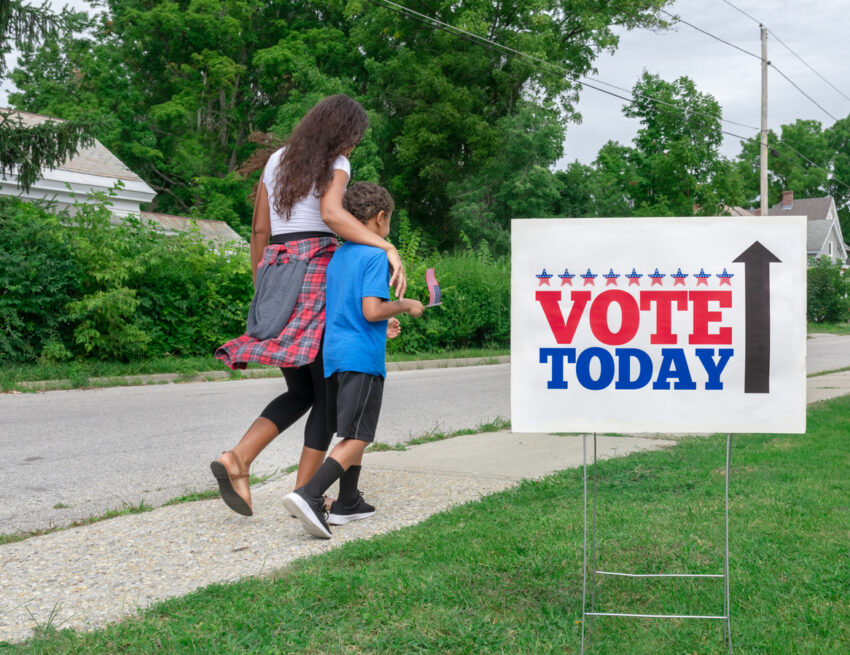
An estimated 17.5 million Latino voters will cast ballots in the 2024 Election in November, a record high, according to a report from the NALEO Educational Fund. This is a 6.5% increase in Latino voter turnout from Election 2020. “With more than one of every 10 voters in 2024 expected to be Latino, our community is poised to play a decisive role in the presidential election and others throughout the nation,” said NALEO Educational Fund CEO Arturo Vargas in a press release. Let’s dive into the numbers and explore how this impacts Latino voters!
Latino Voter Projections
Overall, 11.1% of all voters are projected to be Latino in Election 2024. While the national Latino vote is projected to increase 6.5% from 2020 turnout numbers, the national ...
Check out USDA’s new data tool called the Child Nutrition Dashboard! The dashboard, which is comprised of public data published in the child nutrition tables, can help federal, state, and local organizations assess trends in child nutrition program activity. “The goal of the dashboard is to provide national and state level visualization of meals served, participation, and funding data for the National School Lunch Program, School Breakfast Program, Child and Adult Care Food Program, and Summer Food Service Program,” according to the USDA’s Food and Nutrition Service (FNS). Let’s dive into how this tool can be used and why it benefits Latinos!
Nutrition Dashboard Insights
The Child Nutrition Dashboard provides information on participation, meals served, ...
The coronavirus, COVID-19, can affect anyone. But reports show Latinos and other overlooked populations are more affected, amid worsening health differences. What are the data really showing? UPDATE 3/5/24: CDC releases new COVID-19 death rates by background. COVID-19 Case Rates for Latinos
The U.S. population recently rose to 19.1% Latino. At the outset of the pandemic, COVID-19 sickened many Latinos. Variants like Delta and Omicron sparked case surges, too. Latinos comprised 24.3% of COVID-19 cases in the United States, second only to Whites (53.8%), according to CDC data on health improvement and cases on April 19, 2023. As of March 5, 2024, CDC is no longer maintaining incidence rates by background on this web page. Several states experienced Latino coronavirus ...
Obesity Care Week 2024 (#ObesityCareWeek) is here! From March 4-8, 2024, Obesity Care Week is an annual public awareness effort to end weight bias, as well as raise awareness, educate and advocate for a better world for people living with obesity. Also, World Obesity Day is March 4, 2024. Our Salud America! Latino health equity team at UT Health San Antonio is happy to serve as an Obesity Care Week Champion to support this awareness week. "Unlike most other diseases, obesity is one that continues to be stigmatized. Those impacted struggle to receive any care in many cases, let alone adequate care," said Dr. Amelie G. Ramirez, director of Salud America! at UT Health San Antonio and a leading health disparities researcher. Salud America! research has found that U.S. Latinos face ...
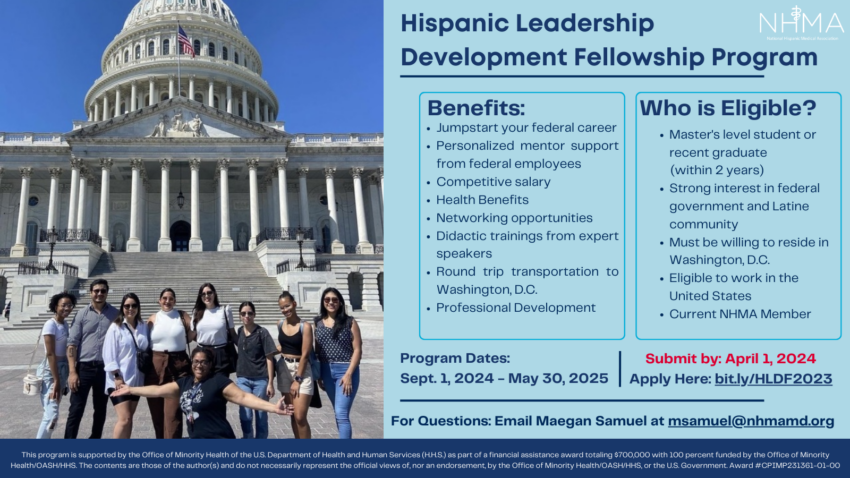
Apply now for the National Hispanic Medical Association (NHMA) Hispanic Leadership Development Fellowship! The fellowship program is a paid, 9-month, in-person leadership opportunity to prepare for career opportunities in public health agencies and increase awareness and competency in health equity knowledge and practice, including infection control. Each fellow is paired with a U.S. Department of Health and Human Services (HHS) agency in the Washington, D.C., metropolitan area from Sept. 1, 2024, to May 30, 2025. “We are dedicated to increasing the representation of Hispanics in key executive leadership positions,” said Dr. Elena Rios, NHMA President and CEO. Applications are due April 1, 2024. APPly Here!
Components of NHMA’s Hispanic Leadership ...
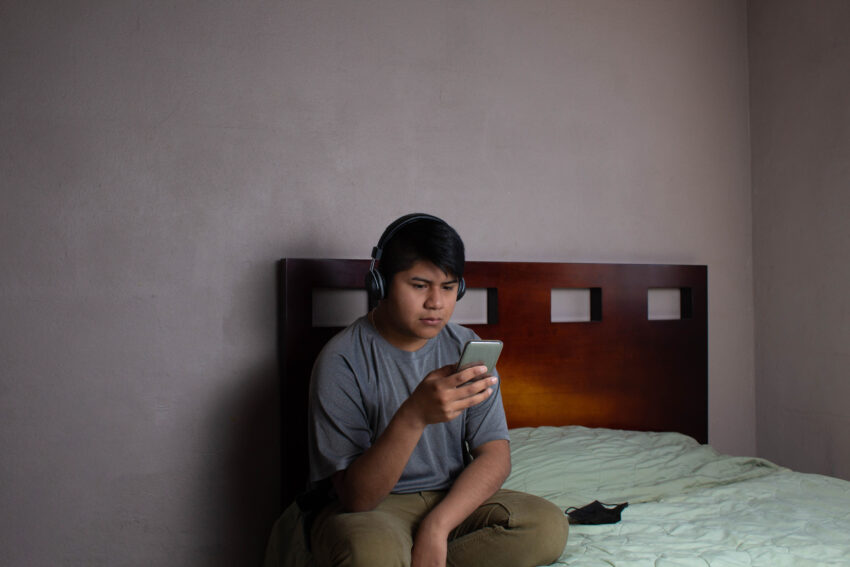
Social media has become a part of everyday life and routine, especially for young Latinos. While social media can offer supportive communities and educational resources, it can also bring harmful impacts and habits. Nearly half of Latino parents are “extremely concerned” over the potential harmful impact that heavy social media use can have on their pre-teen children’s mental health, according to new data from the Brookings Institution. “The Latino community is particularly vulnerable to mental health challenges as a result of social media use,” according to Brookings report. Let’s dig deeper into what the data says and how it affects Latinos.
Young Latinos and Social Media
The Brookings Institution survey, led by the Omidyar Network, ...