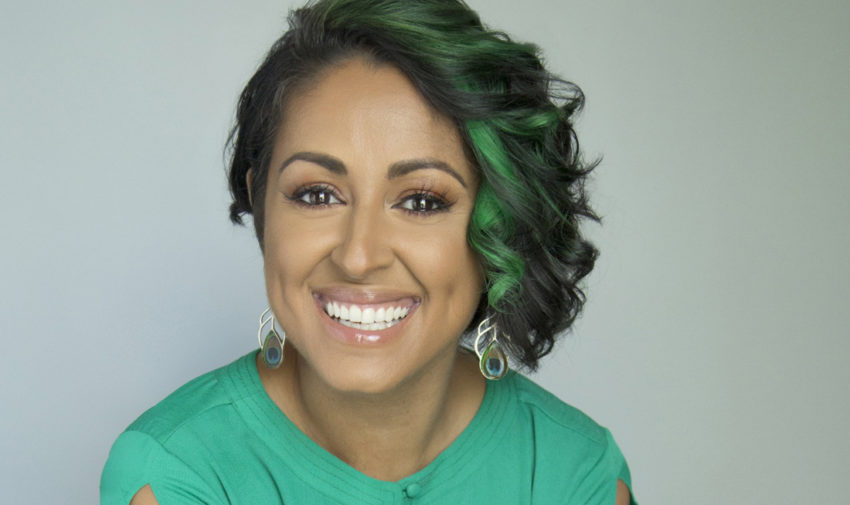
Dr. Amelie G. Ramirez, director of Salud America! and the Institute for Health Promotion Research at UT Health San Antonio, discussed breast cancer in a livestream interview for the Alamo Breast Cancer Foundation at the San Antonio Breast Cancer Symposium on Dec. 7, 2020. Watch the full interview (in Spanish). Ramirez has led breast cancer research among people of different backgrounds for over 20 years. She has studied patient navigation, genetic testing, clinical trials, quality of life, and survivorship issues. "Cancer prevention is a critical way to save people’s lives today," said Ramirez, who also hosts the biannual ASCL conference. "If we applied what we know works through prevention, we could reduce cancer by half."
Dr. Ramirez & Her Health Promotion ...
COVID-19 isn't only disproportionately infecting and killing Latinos and causing job loss and stress. The pandemic is also hurting Latino-owned businesses. These businesses, which already face bias and racism when it comes to securing financing, have fewer resources to weather the ongoing storm of the pandemic, according to a report by the Stanford Latino Entrepreneurship Initiative. In fact, 41% of Black-owned businesses, 32% of Latino-owned businesses, and 17% of White-owned businesses across the country shut down between February and April, according to a recent study by the Federal Reserve Bank of New York, the CT Mirror reports. Thankfully, some new programs and initiatives aim to help businesses owned by Latinos and other people of color.
A $5 Billion Program to Support ...
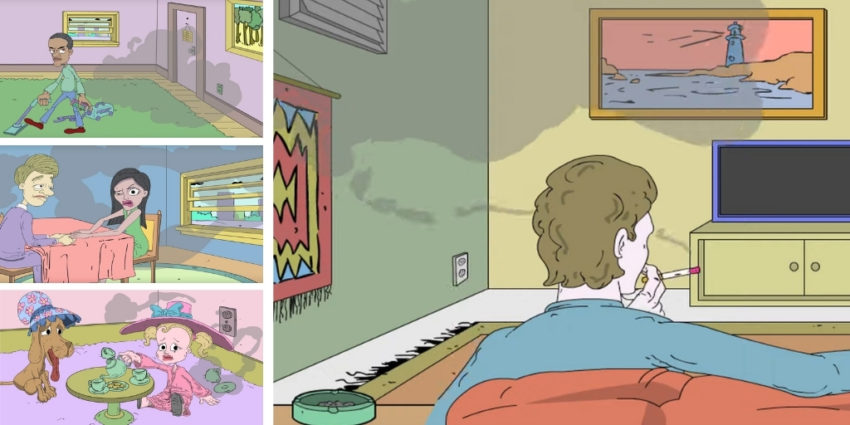
Does someone smoke in your apartment complex? You might be inhaling your neighbor's secondhand smoke. Inside multifamily dwellings, secondhand smoke can travel through doorways, halls, windows, ventilation systems, electrical outlets, and gaps around fixtures and pipes. Secondhand smoke, already a cancer-causing killer of millions, also might contribute to the spread of coronavirus. While there is no definitive link as of yet, there is enough scientific understanding of how particles travel to cause concern that smoke from cigarettes, cigars, and other tobacco products could be transferring COVID-19, said Dr. Loren Wold, a researcher at The Ohio State University. “We know that the virus can attach to particles and can travel three, four, or five times farther than they ...
When schools closed down and switched to online learning at the start of the COVID-19 pandemic, some students began falling behind in class. The students most affected? Latino and Black children. Several studies measured testing scores in math and reading for elementary school students in Fall 2020 compared to Fall 2019. A report by the Northwest Evaluation Association (NWEA) found that while some students are improving, Latino and Black students are falling behind their white peers. “While a majority of students did better than expected in reading — scoring at levels similar to typical nonpandemic years — this wasn’t true for Black and Hispanic students and those who attend high-poverty schools,” according to NBC News. The trend is concerning as it highlights the ...
Did you know that 1 of 2 Latino kids have cavities in their teeth? More Latino children and young adults ages 2-19 have cavities (57%) than their Black (48%), Asian (45%), and White (40%) peers. Cavities are not the only dental health disparity facing Latino children, either. They experience high rates of untreated tooth decay, poor rates of dental health care coverage, and more. “While the gaps have narrowed for some indicators, they have widened for many others, and equity in oral health status remains elusive. We can and should do better,” Dr. Scott Tomar of the University of Florida College of Dentistry, who analyzed 2019 CDC data, told Pew Charitable Trusts. To get to the bottom of oral health among Latino children, we first have to understand the disparities, the ...
By Myra Camino
Breast Cancer Survivor in San Antonio I am a 42 year-old mother of two beautiful little boys (6 and 9 years old). I am a wife and have been married for 11 years to the love of my life Richard. I have been a mentor with Big Brothers Big Sisters for over 15 years. I am currently mentoring my third little sister. Because of my work as a mentor I was chosen as the 2018 National Big Sister of the Year for Big Brothers Big Sisters of America. In August of 2016, at the age of 37, I was diagnosed with stage 3 invasive ductal carcinoma (IDC) breast cancer. After 16 rounds of chemo I was re-diagnosed with stage 4 metastatic breast cancer. The cancer had spread to my spine. I was fortunate enough to have the cyberknife radiation, which took care of the cancer in my ...
Latino children in Santa Barbara schools are disproportionately represented in special education classes, and often incorrectly, as per a new report from the California Department of Education. “Children from Latinx families are 3.43 times more likely to be identified as having learning disabilities than their white peers in the Santa Barbara Unified School District,” according to the Santa Barbara Independent. The state flagged the district for the “significant disproportionality.” This issue highlights the potential bias against and lack of resources for Latino students who are struggling in school, especially those from Spanish-speaking or immigrant households. It also emphasizes the need for school officials to ensure students are treated with equity, no matter ...
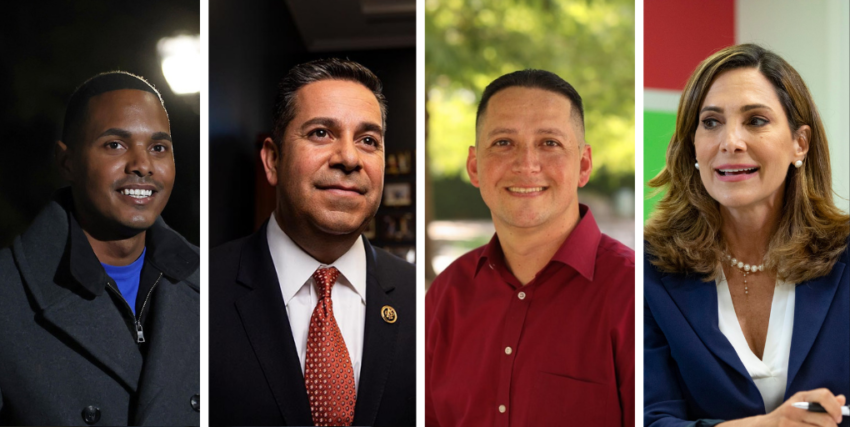
Though Latinos are the largest non-white demographic in the U.S., our federal government is disproportionally white. In early 2020, less than 10% of the U.S. House of Representatives were Latino, despite Latinos making up 18.5% of the population. Only 4 of 50 U.S. senators were Latino. But that’s starting to change. In the November 2020 election, voters elected more Latinos to Congress, both Republicans and Democrats. Although Latino representation in Congress still needs improvement, the election of these representatives signifies progress.
Which Latinos Were Elected?
Voters elected Latinos to both chambers of Congress. New Mexicans elected Democrat Ben Ray Luján to the Senate, making him the 5th Latino senator. He will join senators Bob Menendez (D-New ...
The prospect of homeownership remains out of reach for many Latinos as incomes fail to keep up with rising property values. The community land trust model is a shared ownership model designed to protect people, neighborhoods, and businesses at risk of gentrification and displacement due to development and the upward pressure of urban land markets. This model can be used for housing, small businesses, agriculture, and community resources. There are roughly 277 community land trusts across the US, many addressing housing instability. Community land trusts could play an important role in supporting economic recovery during and after COVID-19.
Unfair Urban Land Markets Leave Many Families Behind
Property rights in America were not created equal. They have excluded Latinos, ...