Bias. We see it in the media every day. We see how police officers disproportionately target people of color. We see how COVID-19 affects Latino and Black people more than white people, which has brought racial disparities in healthcare to light. How do we address this bias? Many states are turning to mandatory implicit bias training for state employees.
What is implicit bias?
Implicit bias is defined as preconceived notions, or stereotypes, that affect our understanding, actions, and decisions about others—at a level beyond our conscious control, according to a Salud America! research review. This kind of bias happens when stereotypes influence your brain processing. Stereotypes like these then influence your actions and judgments: A widely held, simplified, and ...
By Vivian Vasallo
Executive Director of the Delta Dental Institute As a Latina leader in health care, I am proud to celebrate Hispanic Heritage Month and the many contributions Latinos have made to our country, especially in healthcare. This month is a time to celebrate the progress that has been made and soberly examine where we have more work to do to improve disparities in access to care and diversity in the health – and oral health – fields. At the Delta Dental Institute, we aim to close the gap in oral health access and outcomes faced by Latinos in the U.S. through our community engagement, research, and advocacy efforts. Latinos have long been making important contributions to the nation’s health care, going back as early as the 1500s with Francisco Bravo authoring ...
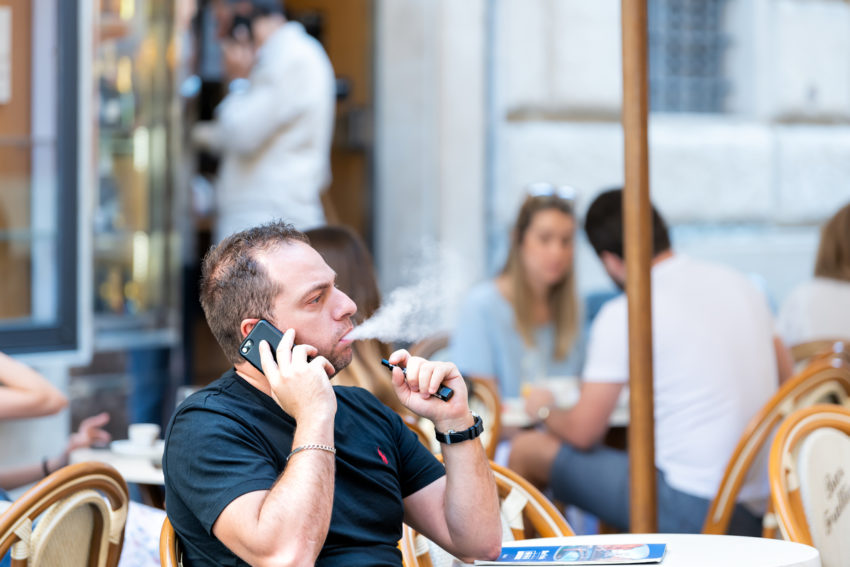
Since the start of the pandemic, many health experts say smoking and vaping increase the risk of COVID-19. This happens by weakening the function of the lungs making it more susceptible to coronavirus — as well as its overall impacts. Moreover, new data from Stanford University shows that young people who vape are more susceptible to COVID-19 than those who do not. That data—collected from a May 2020 national survey of 13- to 24-year-olds—showed that vapers are five times more likely to get COVID-19. Many cities and states across the US are passing bans on flavored vaping products during the COVID-19 pandemic.
Flavored Vaping Bans Across the Country
Last month the California State Assembly passed a ban on the sale of flavored tobacco products, including e-cigarettes and ...
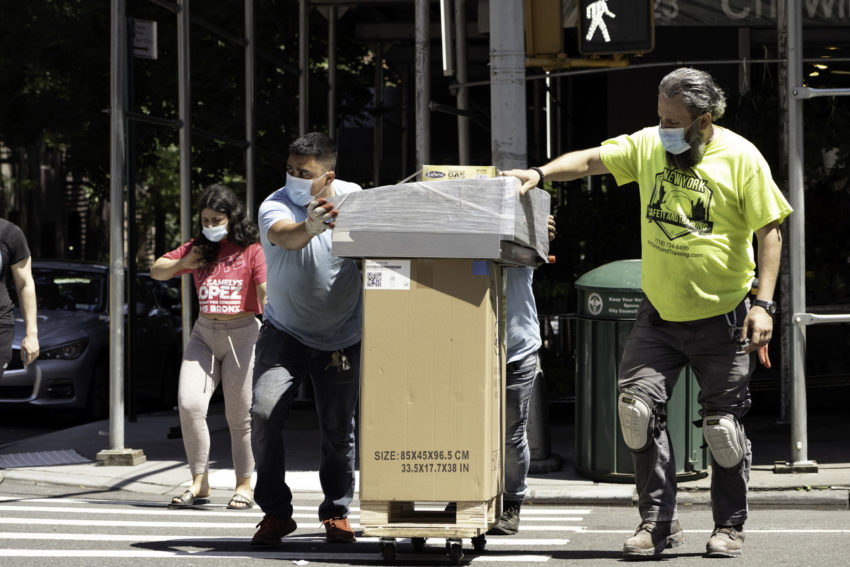
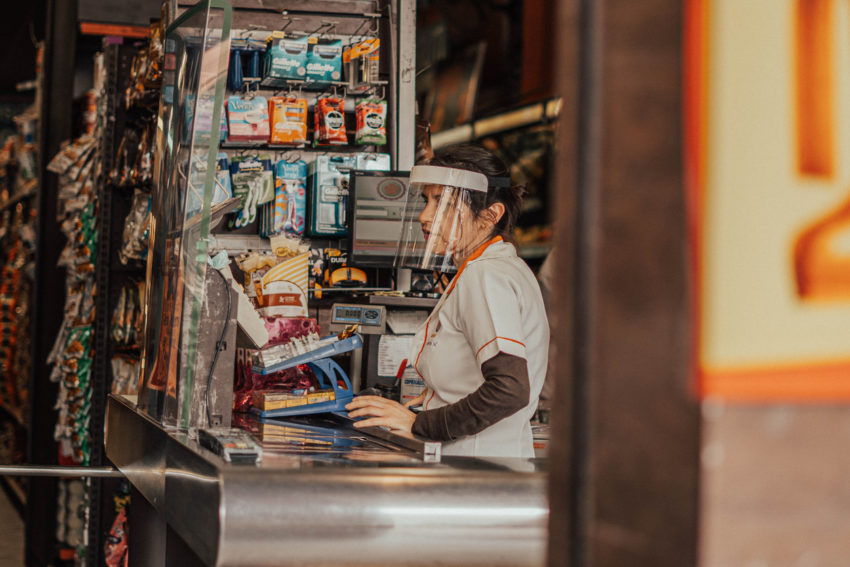
The COVID-19 death toll has nearly reached 200,000 in America — a number that, at one time, was one of the highest estimates from health professionals. Nevertheless, America still finds itself in the grips of a pandemic. Worse, Latinos and other people of color who face the toughest social and health inequities are also experiencing the hardest coronavirus impacts and outcomes across the nation. This is true in California, where the death rate among working-age Latinos has skyrocketed, according to a recent report from UCLA. “As the coronavirus works its deadly way into every nook and cranny of California’s population, its victims’ profiles become clearer and clearer: they are the unsung essential workers,” researchers from the University’s Center for the Study of ...
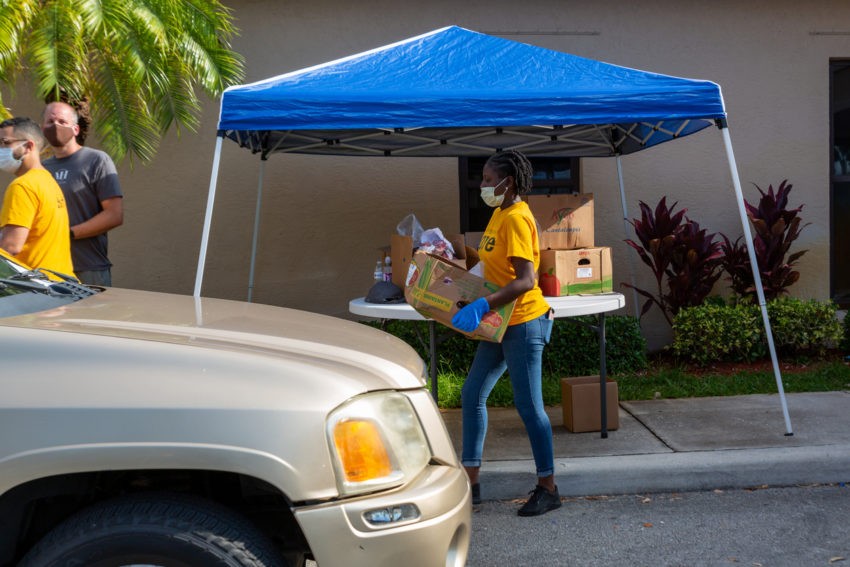
Health has become a huge priority in the wake of the coronavirus pandemic. People of color, who face COVID-19 disparities as the virus worsens systemic social and economic inequities, are increasingly worried about holistic health. More Black and Latino Texans believe that the areas of life not typically associated with medical care—housing, education, racism, and other social determinants—directly impact their overall health than their white peers, according to a recently published survey from the Episcopal Health Foundation (EHF). "Texans across racial backgrounds agree that many non-medical factors like good air quality and clean water, community safety, and amount of stress are vital to a person's health," EHF writes in a recent press release. "But researchers ...
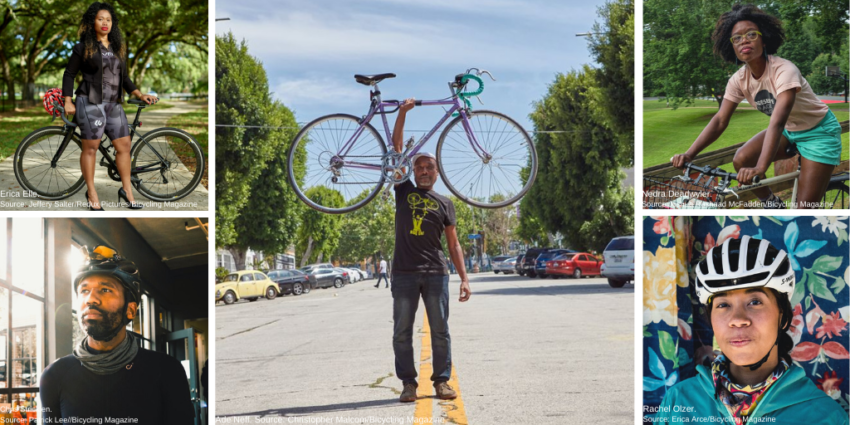
Harmful biases impact the world of bicycling—professional, recreational, doctor-advised, and as a mode of transportation. That’s why we feel it’s essential to promote the stories of 14 riders who shared with Bicycling Magazine about their experiences being Black in the cycling world. These stories, which demonstrate the systemic barriers facing Black riders, are inspiring to many bicycle riders of color, including Latinos, who also deal with physical and silent barriers when it comes to public space. “With the rise of bicycling during this global health pandemic, this is the moment to educate the casual beach cruisers, fully-kitted weekend warriors, the urban planning students who can’t wait to ride back to campus—all of us—on the systemic oppression of Black ...
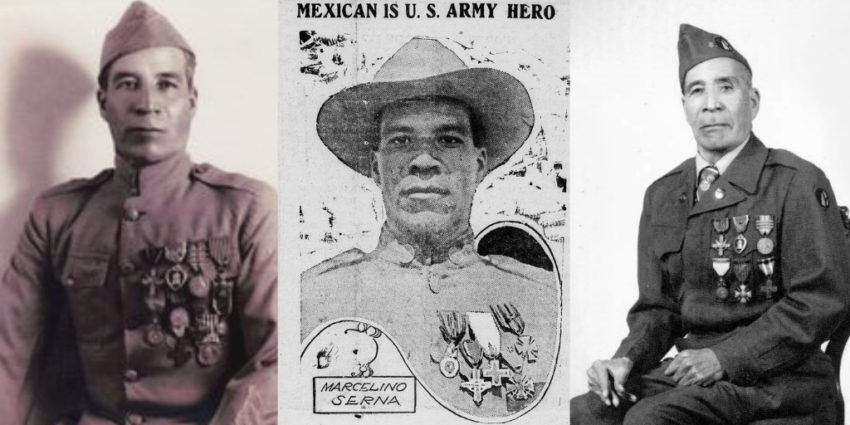
Marcelino Serna is remembered as Texas’ most-decorated World War I veteran. Serna was the first Latino man to be awarded the Distinguished Service Cross and was awarded more than 10 other awards for his bravery and service in the Battles of St. Mihiel and Meuse-Argonne. But he never received the most prestigious military award: The Medal of Honor. Latino advocates are petitioning the U.S. Army and federal government to posthumously award Serna the Medal of Honor, arguing that he was denied the award because he was a Mexican immigrant. “That Private Serna served during a time of extreme prejudice cannot and must not erase his acts of immense bravery and devotion to the United States,” wrote the Mexican American Legislative Caucus of Texas in a letter to the U.S. Army, ...
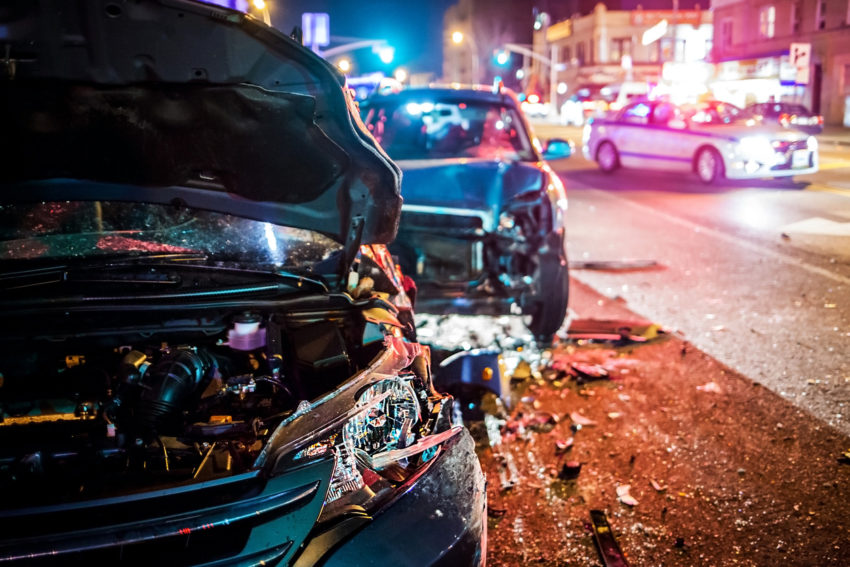
Although people have been driving less since the COVID-19 pandemic began, the traffic death rate has gone up. Technically, absolute traffic deaths have decreased. But when you factor in the drop in vehicle miles traveled, people are being killed on our roads at a higher rate. Experts blame higher travel speeds due to emptier roads. MARCH 2020 UPDATE: Motor vehicle death rate up 24% in 2020 compared to 2019—the biggest increase in 96 years—despite drops in miles driven, according to the National Safety Council.
People Are Driving Less
Coronavirus took a major toll on health, especially for Latinos. But the virus also forced lockdowns and isolation across the country, slowing the economy and travel. Travel on roads and streets dropped 25.7% in May 2020, compared to May ...
The United States is one of the world’s financial powerhouses, but COVID-19 is causing economic unrest and uncovering a growing wealth divide. In fact, half of households are experiencing monetary problems amid the COVID-19 outbreak in the nation’s four largest cities, all of which have large Latino populations—New York City (29.1% Latino), Los Angeles (48.6%), Chicago (29%), and Houston (44.8%)—according to a recent study from the Robert Wood Johnson Foundation (RWJF). These new data reveal the problem is mainly impacting Latinos and other individuals facing disadvantage, according to Dr. Robert Blendon, professor of Public Health and Political Analysis at the Harvard T.H. Chan School of Public Health. “These communities remain so vulnerable and in some serious ...