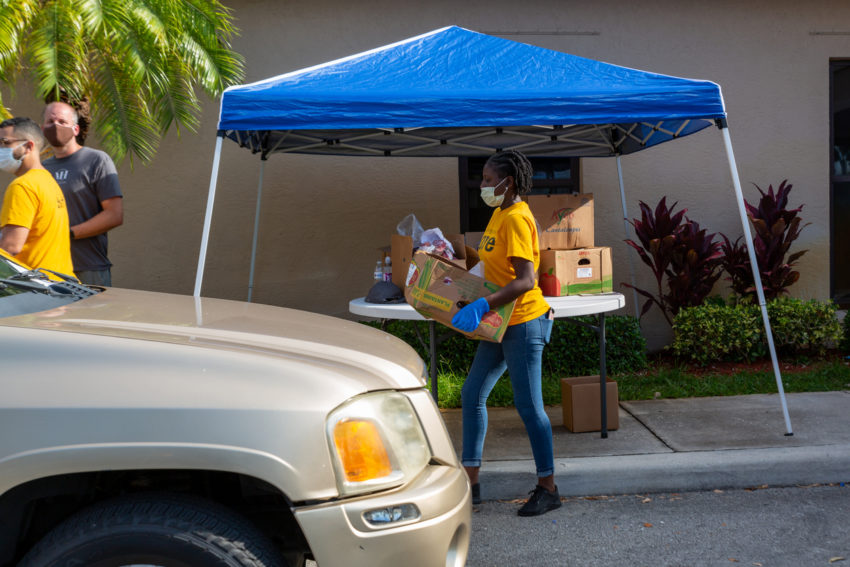
Health has become a huge priority in the wake of the coronavirus pandemic. People of color, who face COVID-19 disparities as the virus worsens systemic social and economic inequities, are increasingly worried about holistic health. More Black and Latino Texans believe that the areas of life not typically associated with medical care—housing, education, racism, and other social determinants—directly impact their overall health than their white peers, according to a recently published survey from the Episcopal Health Foundation (EHF). "Texans across racial backgrounds agree that many non-medical factors like good air quality and clean water, community safety, and amount of stress are vital to a person's health," EHF writes in a recent press release. "But researchers ...
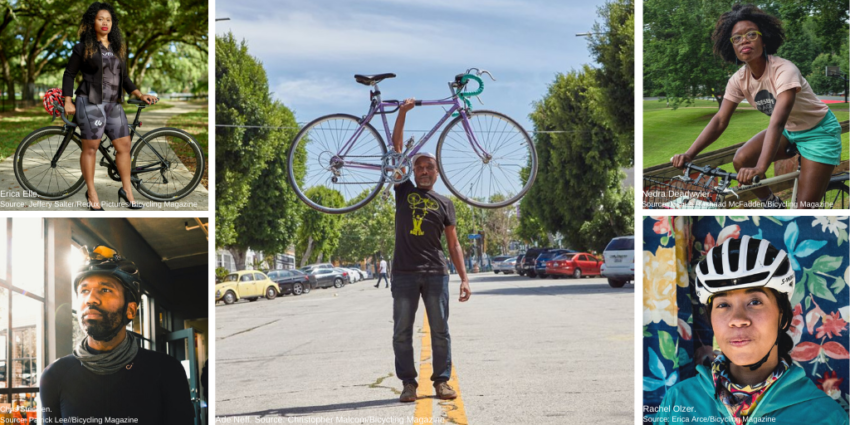
Harmful biases impact the world of bicycling—professional, recreational, doctor-advised, and as a mode of transportation. That’s why we feel it’s essential to promote the stories of 14 riders who shared with Bicycling Magazine about their experiences being Black in the cycling world. These stories, which demonstrate the systemic barriers facing Black riders, are inspiring to many bicycle riders of color, including Latinos, who also deal with physical and silent barriers when it comes to public space. “With the rise of bicycling during this global health pandemic, this is the moment to educate the casual beach cruisers, fully-kitted weekend warriors, the urban planning students who can’t wait to ride back to campus—all of us—on the systemic oppression of Black ...
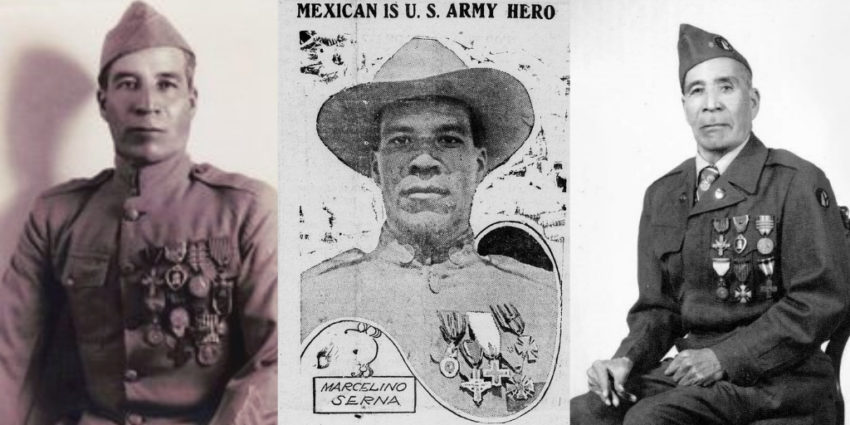
Marcelino Serna is remembered as Texas’ most-decorated World War I veteran. Serna was the first Latino man to be awarded the Distinguished Service Cross and was awarded more than 10 other awards for his bravery and service in the Battles of St. Mihiel and Meuse-Argonne. But he never received the most prestigious military award: The Medal of Honor. Latino advocates are petitioning the U.S. Army and federal government to posthumously award Serna the Medal of Honor, arguing that he was denied the award because he was a Mexican immigrant. “That Private Serna served during a time of extreme prejudice cannot and must not erase his acts of immense bravery and devotion to the United States,” wrote the Mexican American Legislative Caucus of Texas in a letter to the U.S. Army, ...
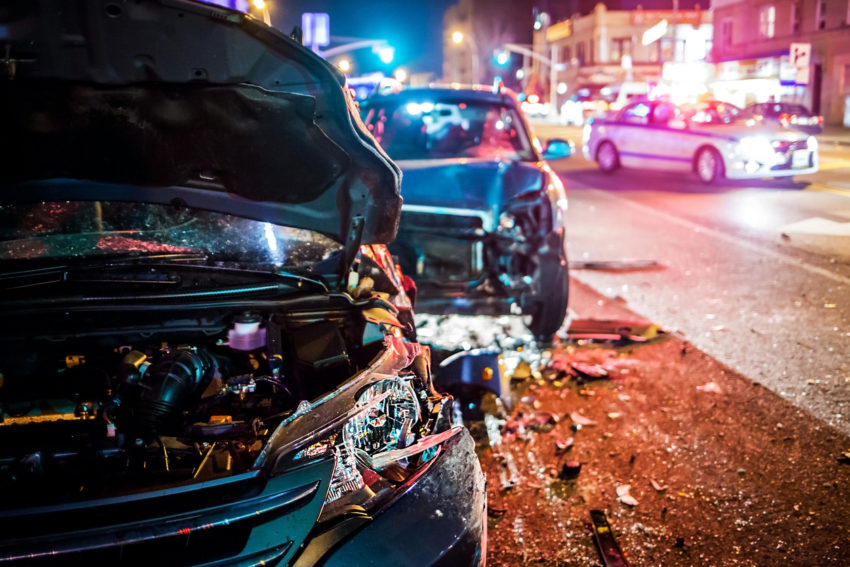
Although people have been driving less since the COVID-19 pandemic began, the traffic death rate has gone up. Technically, absolute traffic deaths have decreased. But when you factor in the drop in vehicle miles traveled, people are being killed on our roads at a higher rate. Experts blame higher travel speeds due to emptier roads. MARCH 2020 UPDATE: Motor vehicle death rate up 24% in 2020 compared to 2019—the biggest increase in 96 years—despite drops in miles driven, according to the National Safety Council.
People Are Driving Less
Coronavirus took a major toll on health, especially for Latinos. But the virus also forced lockdowns and isolation across the country, slowing the economy and travel. Travel on roads and streets dropped 25.7% in May 2020, compared to May ...
The United States is one of the world’s financial powerhouses, but COVID-19 is causing economic unrest and uncovering a growing wealth divide. In fact, half of households are experiencing monetary problems amid the COVID-19 outbreak in the nation’s four largest cities, all of which have large Latino populations—New York City (29.1% Latino), Los Angeles (48.6%), Chicago (29%), and Houston (44.8%)—according to a recent study from the Robert Wood Johnson Foundation (RWJF). These new data reveal the problem is mainly impacting Latinos and other individuals facing disadvantage, according to Dr. Robert Blendon, professor of Public Health and Political Analysis at the Harvard T.H. Chan School of Public Health. “These communities remain so vulnerable and in some serious ...
Schools and colleges across the U.S. have reopened for in-person classroom instruction — a decision that has greatly divided advocates and civic officials. What's not up for debate is the fact that Latinos and other people of color are facing the brunt of COVID-19's severe direct and indirect impacts. Coronavirus significantly affects Latino children, as they comprise 44.7% of COVID-19 deaths among those ages 0-24. These data suggest that public school students of color, as well as their parents, are facing legitimate fears when it comes to catching coronavirus and its effects, according to Randi Weingarten, president of the American Federation of Teachers. "Latinos have been hospitalized four times as much as people who are white," Weingarten told The 74 Million. "What ...
We know that Latinos, by-in-large, face a host of health disparities. But we also know there is a historic lack of research about these inequities and how to address them. This is why the National Institute on Minority Health and Health Disparities' recent "Funding of Latino Health-Related Research," is so important. The study—published in Frontiers of Public Health—looked at the impact of interventions or policies premeditated to reduce health disparities. This information could advance research in Latino health and contribute to the achievement of better health outcomes in this diverse population, according to Dr. Larissa Avilés-Santa, who led the study. "Latinos are expected to constitute 25% of the U.S. population by 2060," the researchers write. "Differences in the ...
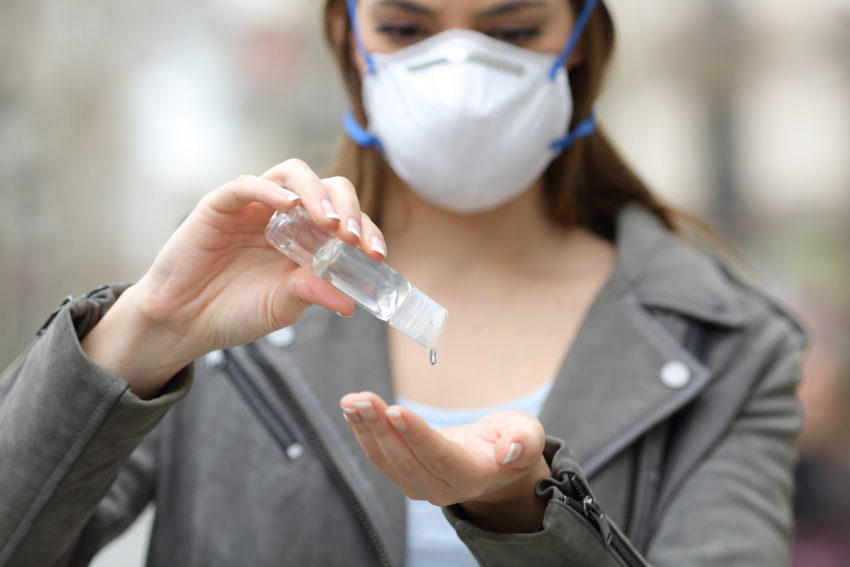
As everyone adapts to a quickly spreading coronavirus, many are taking every precaution necessary to avoid infection and spread — including practicing good hygiene. Using hand sanitizer is a popular way to keep your hands clean and avoid coronavirus. Companies throughout the world have ramped up production of these kinds of items to meet the demands of consumers reacting to the wide sweeping nature of this pandemic. Still, not every company has the best intentions, according to New Jersey physician anesthesiologist Dr. Nina Radcliff. “Hand sanitizers that are deemed safe and used effectively can serve as a secondary method of hand washing,” Radcliff writes in a recent The Press of Atlantic City health column. “But not all hand sanitizers are created equal and it’s ...
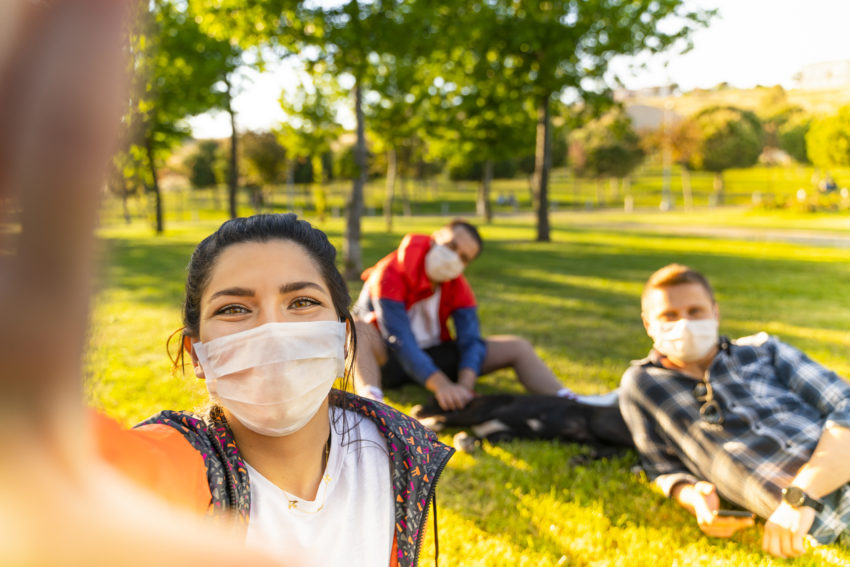
Don't let down your guard against COVID-19 during Labor Day weekend. Cases spiked after the Memorial Day and Fourth of July holidays, so health experts are stressing the importance of containing the coronavirus during the coming holiday. How can we contain the virus? Latinos can wear a mask and care for it properly, avoid public places (or at least get together safely, familia), and know what to do if you’re exposed, according to our "Juntos, We Can Stop COVID-19" campaign. "Labor Day is coming up, and we need to stress personal responsibility," said Adm. Brett Giroir, assistant secretary for health at the Department of Health and Human Services, CNBC reports. "We have to go into the fall with decreasing cases like we’re doing now. We can’t risk a lack of personal ...