Latinos and Blacks together comprise 55% of coronavirus cases, nearly double their U.S. population makeup, according to new CDC data. Overall, Latinos were 33% of COVID-19 cases and Blacks were 22% in an analysis of 1.3 million lab-confirmed coronavirus cases reported to CDC during January 22-May 30, 2020. These are much higher rates than Latinos and Black representation in the U.S. population (18% and 13%). The new CDC data reinforce the disparate impact of COVID-19 on Latinos amid worsening historical inequities. "As protests against systemic racism in policing take place nationwide following the death of 46-year-old George Floyd while in Minneapolis police custody, the pandemic continues to show similar discrepancies in healthcare and economics," Forbes reports on the CDC ...
Unlike a pandemic or emergency, there is no epidemiological definition for public health crisis. Experts at the Boston University School of Public Health tried to solve this. They explored the distinction between immediate and important and how politics, perceived risk, and affected groups shape the concept of a crisis. For example, they juxtaposed the number of deaths caused by terrorism and by gun violence with action taken by the U.S. government. Between 2001 and 2013, 3,380 Americans were killed by terrorism and 406,496 Americans were killed by firearms on U.S. soil; yet the U.S. spent trillions on the War on Terror and failed to pass gun control legislation. They conclude that people often confuse the immediate and the important, and that the important often fails to receive ...
The current novel coronavirus afflicts more than just the lungs. For Latinos and other people of color, COVID-19 has caused disproportionately higher rates of cases and death, job loss, and other inequitable impacts. These groups are also experiencing more mental health issues than in previous eras, according to Dr. Madeline Aviles-Hernandez, the Outpatient Services Director at the Gándara Center. “This crisis is making life much more difficult for [Latinos, African-Americans and other culturally diverse populations] we serve, including those in recovery and people who have yet to be treated for such problems as anxiety and depression,” Aviles-Hernandez said in a statement. “Minorities have been—and continue to be—less likely to receive mental health ...
The American economy has been in freefall since the outbreak of the current novel coronavirus — and Latinos face the most widespread unemployment. Job loss is impacting Latinos and immigrant communities at higher rates than their peers during the pandemic, according to recently published data from the National Bureau of Economic Research (NBER). The pandemic is not only forcing more Latinos out of work, but it will have long-lasting ripple effects across the nation, according to Dr. Rogelio Sáenz, a professor in the Department of Demography at the University of Texas at San Antonio. "Over the last several decades, Latinos have represented the engine propelling the U.S. economy," Sáenz writes in a National Association for Community Asset Builders blog post. "While people ...
We know that older adults with underlying health conditions are most vulnerable to the worst effects of coronavirus. New data show that 10% of COVID-19 patients with diabetes die within one week of being hospitalized, according to a French study in the journal Diabetologia. Most hospitalizations are men and older adults (average age 69.8). The study also found that each increase in body mass index (BMI) is associated with an increase in the risk of intubation and/or death in the 7 days following admission for COVID-19, Dr. Samy Hadjadj told Medscape Medical News. "Before [this study] it was, 'all diabetes [patients] are the same.' Now we can surely consider more precisely the risk, taking age, sex, BMI, complications ... as clear 'very high-risk situations,'" Hadjadj said. "So ...
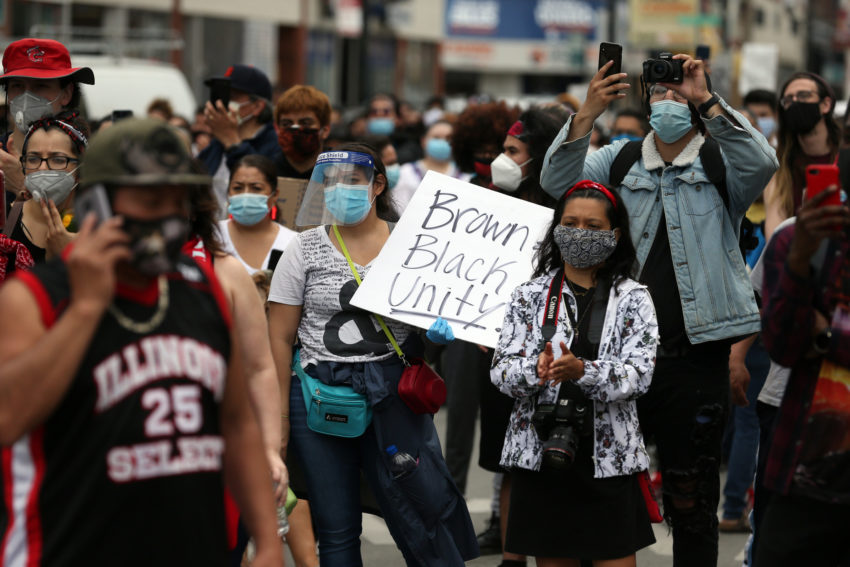
On April 30, protesters, many with guns and without face masks, entered Michigan’s state capitol to resist stay-home orders amid coronavirus, resist mask-wearing, and demand businesses reopen. “Infectious disease physicians and public health officials publicly condemned these actions and privately mourned the widening rift between leaders in science and a subset of the communities that they serve,” reads an open letter signed by 1,288 public health professionals, infectious disease professionals, and community stakeholders across the country. Then, when George Floyd was killed by a police officer May 25, protesters, many unarmed and wearing face masks, took to the streets to promote racial justice. This time, public health professionals responded differently. The noted ...
Cancer patients who get COVID-19 have a 13% risk of dying, much higher than the 6% death rate of coronavirus in the general population, according to a study published in The Lancet. But the reasons for bigger risk aren't what researchers expected. Pregnant women or people with autoimmune diseases or blood cancers are, surprisingly, not more susceptible to severe coronavirus, USA Today reports. Instead, people with cancer and the general population have the same basic reasons for severe coronavirus outcomes. These include older age, smoking, and underlying health problems like diabetes and obesity, according to the new study. This suggests cancer still poses a greater danger than the virus. "Many cancer treatments do not weaken the immune system to a level that it could not ...
The COVID-19 pandemic is having a devastating impact on housing Millions of Americans face are experiencing new levels of cost burdens. Worse, over half a million people will sleep on the streets any given night, according to a recent report from the Joint Center for Housing Studies of Harvard University. Still, this is not a new issue. Many U.S. cities were dealing with a homelessness crisis long before this outbreak. In 2018, 33 out of every 10,000 Californian residents were homeless. Now, the escalating pandemic has created a catastrophe threatening thousands of lives. During this pandemic, millions are homeless, and their lives are falling apart. They struggle to stay healthy, to hold jobs, to preserve personal relationships, to maintain a sense of hope.
California in ...
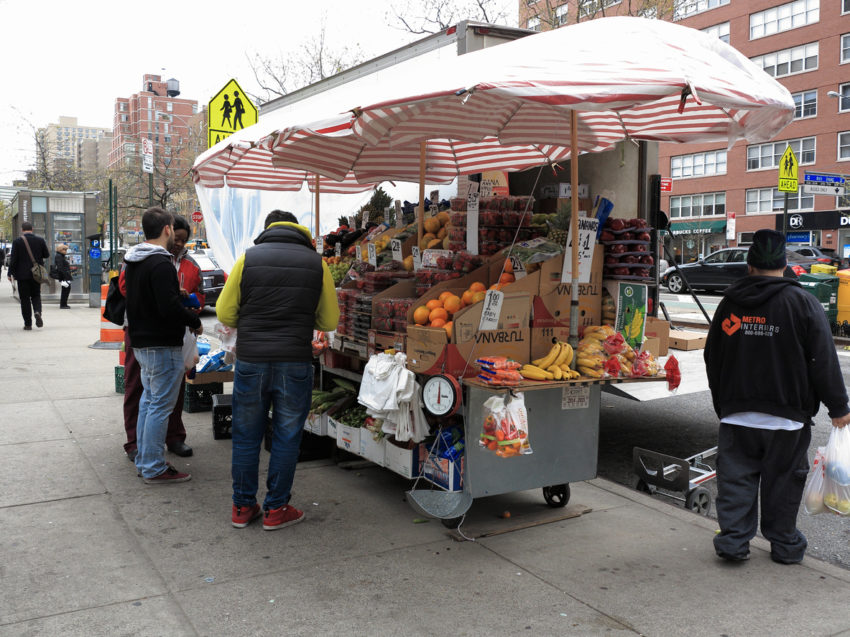
Cities are increasingly recognizing the value of streets as car-less public space. For example, due to a spike in demand for outdoor space early in the coronavirus pandemic, cities around the world began closing streets to vehicles to give people walking and biking more space. More recently, cities are closing streets to vehicles to give restaurants and shops space to serve customers outdoors—in parking spaces, on sidewalks, and on streets. However, street vendors, many of whom are Latinos and immigrants with no paid sick leave and a history of fighting to serve these very spaces, are being left out of reopening plans. “They’ve been so exposed through the nature of their work and the cruelty of our society that has forced them out of the formal economy,” Megan Macareg ...