Spending on sugary drink TV advertising aimed at black and Latino youth is up, according to Sugary Drink FACTS 2020, a new report from the Rudd Center for Food Policy & Obesity. Overall, the report found that in 2018 companies spent a whopping $1 billion (26% increase since 2013) in sugary drink advertising. These drinks include regular soda, sports drinks, iced tea, fruit drinks, flavored water, and energy drinks. Pepsi and Coca-Cola accounted for the largest share of sugary drink advertising in 2018. In the report researchers also explored the nutritional value of sugary drinks advertised by large companies. "These analyses of the nutrition content and advertising of sugary drinks and energy drinks demonstrate that beverage company advertising of sugary drinks to young ...
Researchers are finding that population density is not associated with higher death rates from COVID-19. Unfortunately, some people still blame compact housing and transit for pandemic spikes, and use that misinformation to promote sprawling residential development and disinvestment in transit in the name of health. These are the same poor practices that have segregated neighborhoods and contributed to drastic disparities in health and wealth for a century. As city leaders respond to concerns about COVID transmission and develop economic recovery plans, they must challenge the discriminatory status quo, consider transportation expenses, and shift toward equitable, compact (not overcrowded) housing development. “Restoring urban transit networks to full force, expanding their ...
Every 10 years, the U.S. Government performs its duty of collecting a full count of the people residing in America. This decade’s survey is well underway. This initiative, mandated by Article I, Section 2 of the Constitution, provides the necessary data to allocate critical funds, assess the greatest needs of that moment, and gather other information that impacts people’s daily lives. Here’s what all Latinos need to know. While the outbreak of the COVID-19 outbreak has impacted the U.S. Census Bureau’s work, the agency is pushing forward to garner as many completed surveys as possible. “As we resume operations delayed by the —, [we recognize] that our data collections are becoming increasingly complex and rely upon new technologies, innovations and reforms, it is ...
Delaying medical care can cause catastrophic health and financial problems. That’s why early in the COVID-19 pandemic, the Centers for Medicare and Medicaid Services temporarily expanded its telehealth coverage so physicians, nurse practitioners, clinical psychologists and licensed clinical social workers would be reimbursed for telehealth services. Other payers followed suit. Unfortunately, not everyone can just hop on a telehealth video call. Many Latinos and other vulnerable populations—older people, people experiencing domestic violence, and families with low income—face insurance, language, health literacy, digital literacy, and digital access barriers to telehealth services. Moreover, telehealth can be challenging for people with autism, intellectual and developmental ...
As shelter-in-place orders swept the U.S. during the coronavirus pandemic, healthcare providers’ implementation of telehealth expanded rapidly. In telehealth sessions, those seeking routine check-ups, mental health care, or other services can meet with their provider virtually using computers or other smart devices. This novel way of treating patients aims to look for ways to deliver care to patients in their homes to limit the transmission of the novel coronavirus. "The current public health emergency and the resulting accelerated growth potential in telehealth services is an opportunity for providers to enhance their care practices and for insurers and policymakers to recognize the value of telemedicine," a recent report from UCLA's Center for the Study of Latino health and ...
U.S. Latinos are bearing an extraordinary burden when it comes to cases, deaths, other impacts of the COVID-19 pandemic. Worse, this continues a trend of this group's continual hardship of experiencing health and social inequities. Many reports suggest that this trend of Latinos and other people of color being disproportionately affected is worsening already harsh historical inequities. One of those inequities is drug use. Moreover, COVID-19 and opioid addiction can impact and worsen each other, mainly for people of color. "As people across the U.S. and the rest of the world contend with coronavirus disease 2019 (COVID-19), the research community should be alert to the possibility that it could hit some populations with substance use disorders (SUDs) particularly hard," Dr. Nora ...
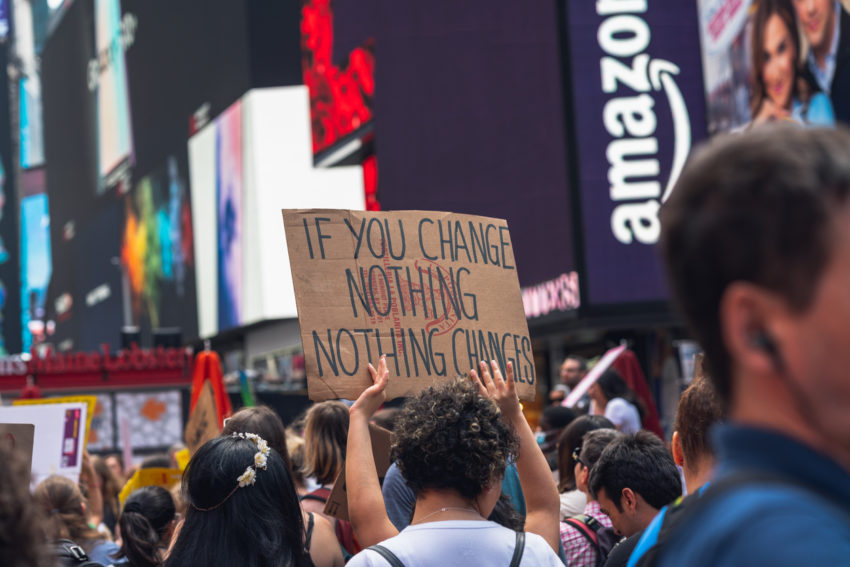
Since the founding of this country, Latinos, African-Americans, and all people of color have experienced harm at the hands of an unjust system. With the death of George Floyd at the hands of those meant to protect and serve, millions have taken to the streets to protest systemic racism across the U.S. Latinos, who are experiencing a rising burden of hate crimes, discrimination, and anti-immigrant sentiment, have joined in the Black Lives Matter cause to advocate for change — not just in African-American neighborhoods, but in all communities of color. “It’s not just black people being murdered by police. Hispanics are dying, too,” Fernando Garcia, executive director of the Border Network for Human Rights (BNHR), told El Paso news station WWLP 22. “It’s not only one bad ...
Latinos and Blacks together comprise 55% of coronavirus cases, nearly double their U.S. population makeup, according to new CDC data. Overall, Latinos were 33% of COVID-19 cases and Blacks were 22% in an analysis of 1.3 million lab-confirmed coronavirus cases reported to CDC during January 22-May 30, 2020. These are much higher rates than Latinos and Black representation in the U.S. population (18% and 13%). The new CDC data reinforce the disparate impact of COVID-19 on Latinos amid worsening historical inequities. "As protests against systemic racism in policing take place nationwide following the death of 46-year-old George Floyd while in Minneapolis police custody, the pandemic continues to show similar discrepancies in healthcare and economics," Forbes reports on the CDC ...
Unlike a pandemic or emergency, there is no epidemiological definition for public health crisis. Experts at the Boston University School of Public Health tried to solve this. They explored the distinction between immediate and important and how politics, perceived risk, and affected groups shape the concept of a crisis. For example, they juxtaposed the number of deaths caused by terrorism and by gun violence with action taken by the U.S. government. Between 2001 and 2013, 3,380 Americans were killed by terrorism and 406,496 Americans were killed by firearms on U.S. soil; yet the U.S. spent trillions on the War on Terror and failed to pass gun control legislation. They conclude that people often confuse the immediate and the important, and that the important often fails to receive ...