Obesity Care Week 2020 (#OCW2020) is here! From March 1-7, 2020, Salud America!, our Latino health equity program at UT Health San Antonio, is happy to be an OCW2020 Champion to support this awareness week. Obesity Care Week has a global vision for a society that understands, respects, and accepts the complexities of obesity and values science and clinically-based care. Salud America! research shows that U.S. Latinos face inequities in many areas—from poverty and social support to access to affordable housing and transportation—that contribute to higher rates of obesity. Latino adults and children have higher obesity rates (47% and 25.8%, respectively) than whites (37.9% adults and 14% children). Addressing the root causes can help address obesity. #OCW2020 has different ...
Claudia Lozano is determined to find ways to increase HPV vaccination rates and dispel myths surrounding the vaccine. Lozano, who has a master’s degree in public health from the University of Texas at El Paso, already has contributed a great deal to the field of public health through working with her city’s public health department and authoring several publications on community-based programs. As a resident of the El Paso-Juarez border, Lozano has a keen understanding of the Latino community’s needs. Since 2004, Lozano has managed El Paso’s Medicaid waiver program. The program has served 18,000 participants with preventive health screenings. In July 2018, it was recognized as a model practice by the National Association of County and City Health Officials ...
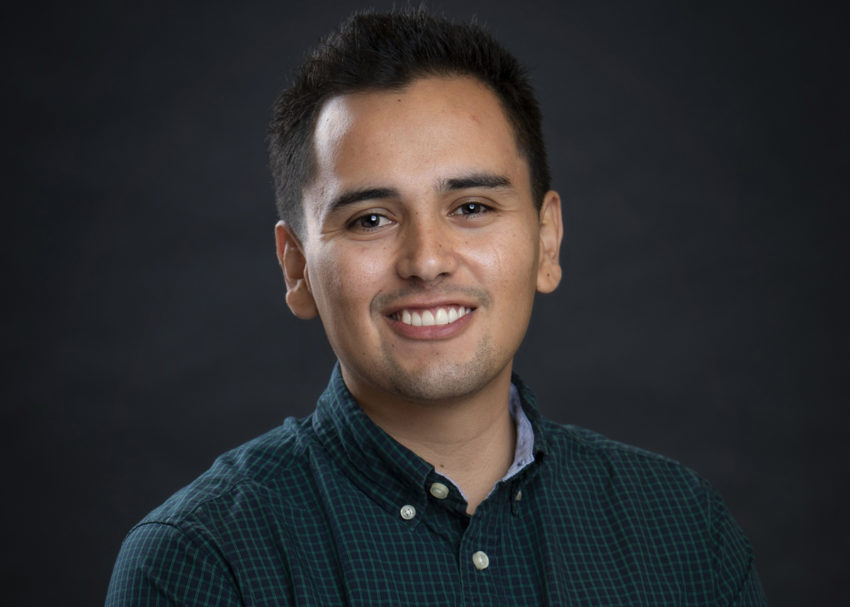
Nicholas Acuna used to suppress his culture growing up. But Acuna’s Peruvian heritage broke through and shines ever so brightly today, represented by the Llama artifact that sits on his desk to help him reconnect to his parents’ native land and reinforce his drive to reduce health disparities among Latinos. Acuna, a native of Bloomfield, N.J., is already gaining great research experience in promoting smoking cessation and other areas. While currently a master’s of public health candidate studying epidemiology at Rutgers University, Acuna is also involved in research to increase quit-smoking rates among correctional populations. He also helped research plant genetics, as well as mental health among older adults. To further his experience and education, Acuna applied for ...
Challenged by her sister to keep an open mind, Patricia Dionicio is taking that advice and forging her own path toward improving Latino health. Dionicio, who earned the Gates Millennium Scholarship in high school, is currently a master’s-degree student at California State University, Long Beach. She already is looking for new ways to address cancer and obesity. Whether it means using technology to overcome barriers to care for Latinos, or creating global-level telemedicine programs, all options are possible for her. Dionicio also recently collaborated on a study up for publication in the Journal of Telemedicine and E-Health. To further her experience and education, Dionicio applied for the Éxito! Latino Cancer Research Leadership Training program. The Éxito! program, led ...
Implicit bias against Latinos is jeopardizing the fairness of the U.S. criminal justice system, says a recent report. Latinos already comprise 53% of those charged with federal crimes. Now the fate of those defendants is increasingly complicated by the "behavior of defense attorneys, prosecutors, judges, jurors, and probation and pre-trial service officers through implicit racial bias and racial stereotyping," according to Walter Gonçalves, a federal public defender in Arizona. Implicit bias can affect juries, bail, and sentencing. "Given this reality, defense attorneys should carefully study and become familiar with racial stereotyping and implicit bias. Only in this way will they be able to educate others in the system," Gonçalves writes in a report published in Seattle ...
Donning a baseball cap, a holey shirt, and speaking mostly Spanish, Cristian Garcia Alcaraz spent his youth picking berries on California farms. At 8 years old, Garcia Alcaraz immigrated to Oxnard, California from Michoacán, Mexico. Garcia Alcaraz was not a very good student in middle and high school, because he had trouble with the English language. But none of that stopped him from pursuing his passion to fight for better health and more resources for farm workers like himself and his parents. Garcia Alcaraz is making strong progress in the English-language and he is excelling in higher education. In 2014, he transferred to Californian State University Channel Islands, where he earned a bachelor’s degree in psychology. Now, he is working on his master’s in psychology at ...
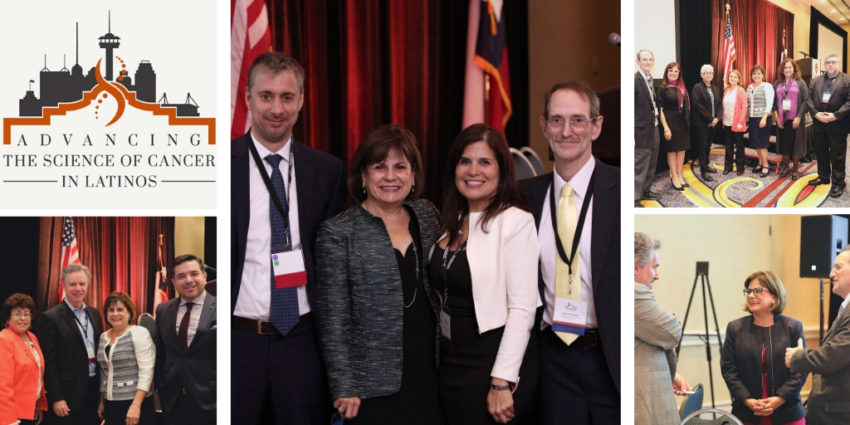
Latinos are expected to see a 142% rise in cancer cases in coming years. To address this pressing health concern, Dr. Amelie G. Ramirez of UT Health San Antonio is leading the 2nd Advancing the Science of Cancer in Latinos conference Feb. 26-28 at the Marriott Plaza San Antonio hotel. The conference will unite researchers, oncologists, physicians, community leaders, policymakers and students to tackle Latino cancer on many fronts. The conference will build on progress made at the inaugural conference, founded by UT Health San Antonio in 2018, which featured 225 cancer experts from 23 states. The proceedings from this conference were released in fall 2019 in Springer Open Books. “We are looking forward to gathering the brightest scientists, clinicians, advocates and students ...
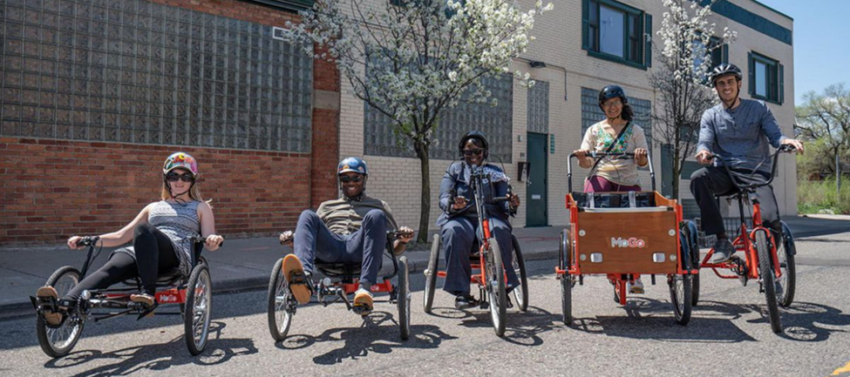
For years, bike share programs have shown sharp divisions along race and class lines. Bike share stations are often located in whiter, wealthier neighborhoods. Whiter, wealthier individuals are far more likely users than those of color. That’s why cities are working to improve equity of bike share programs. In fact, 60% of bike share systems had specific programs to address equity, according to the National Scan of Bike Share Equity Programs from the Transportation Research and Education Center (TREC). But these systems rarely set or tracked outcomes on equity. Below are six ways to correct bike share’s social equity problem, based on examples from the TREC report to help bike share systems move toward equity and from Shared-Use Mobility Center’s list of efforts to ...
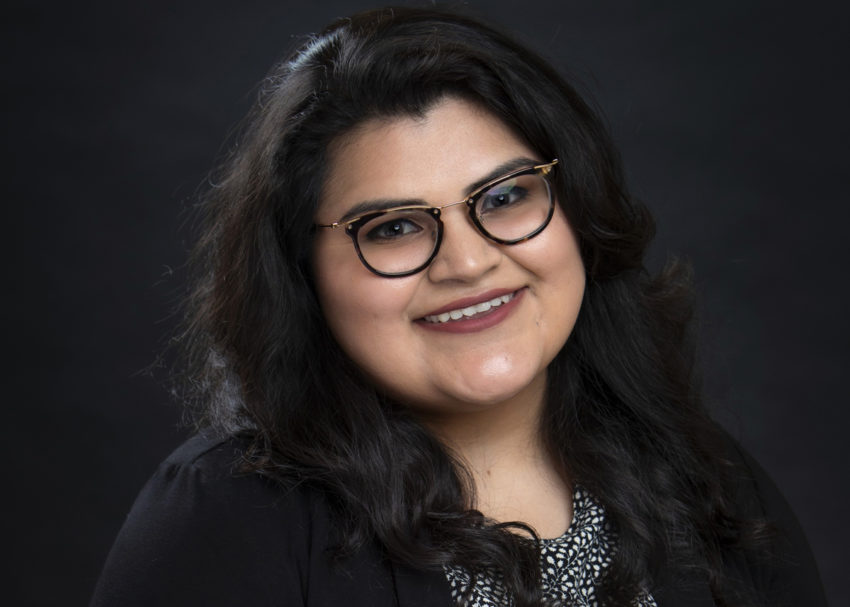
Growing up as a “Southsider” in the 63% Latino city of San Antonio, Norma Gonzalez witnessed firsthand many socioeconomic and educational disparities. This gave her a clear passion for and sense of social justice. Now, fueled by her passion and resourcefulness, Gonzalez is a first-year master’s-degree student the Columbia University Mailman School of Public Health. She also is working to address structural barriers while bringing great honor and pride to her community. She is already making a difference in health disparities programing, education, and public health, including research on support strategies for Mexican immigrant parents. To further her experience and education, Gonzalez applied for the Éxito! Latino Cancer Research Leadership Training program. The ...