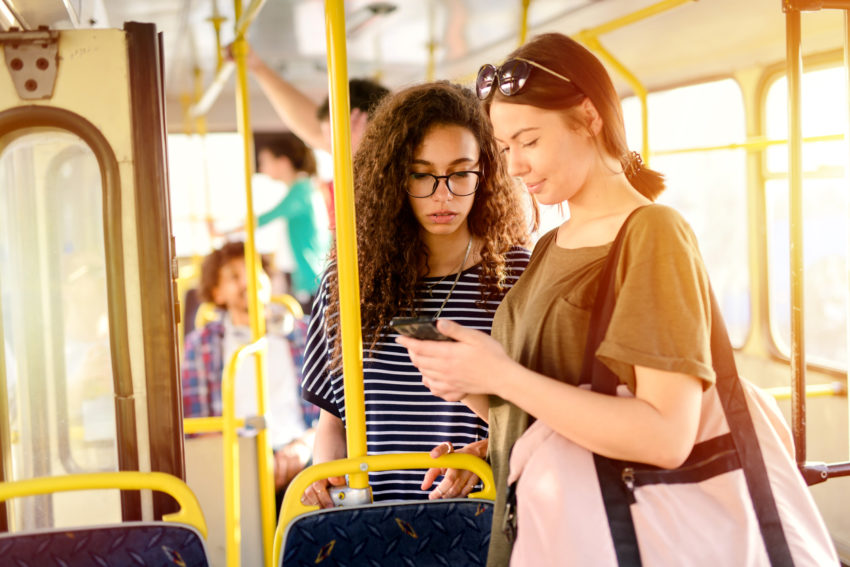
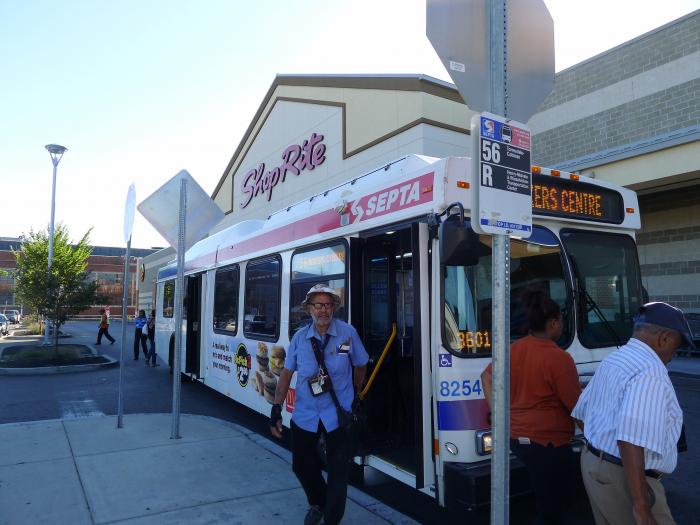
As families practice social distancing to slow the spread of COVID-19 and as governments close non-essential businesses, employees are losing their jobs and transit is losing ridership. Economists estimate that nearly three million Americans could lose their jobs by summer. Many of these are low-wage workers in service industries with little savings to get through a recession. Recently President Trump warned Senate Republicans that the coronavirus pandemic could cause the unemployment rate to reach 20%, according to NBC News. This is double the highest unemployment rate from the Great Recession. On March 25, 2020, U.S. legislators agreed to a $2 trillion coronavirus economic stimulus bill. “Without federal financial assistance, many transit agencies and paratransit service ...
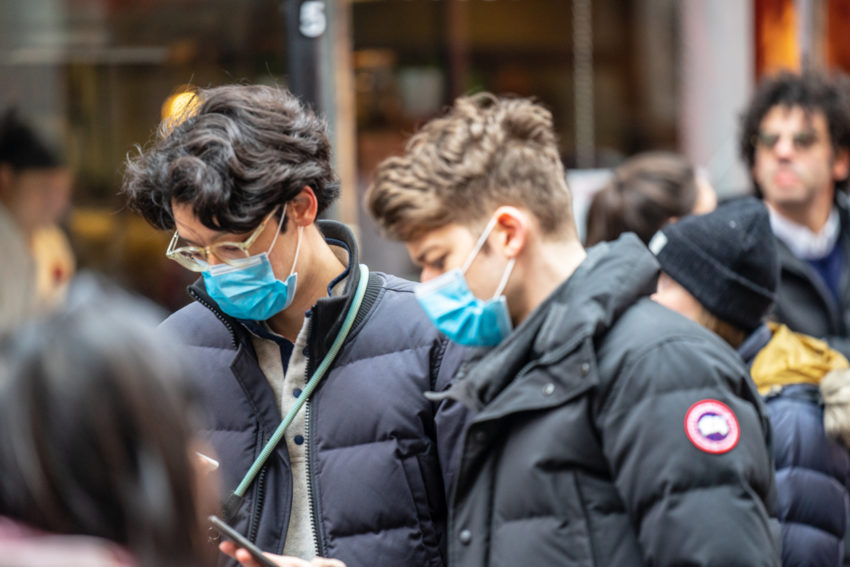
The spread of coronavirus, COVID-19, is now a global pandemic. Health officials are working tirelessly to inform the public. They are working on a fast-paced method for widespread testing, and doing everything possible to slow the spread of the coronavirus. What is still scary? This disease impacts those with underlying conditions more significantly, especially Latinos who suffer vast health disparities. "People with diabetes, heart disease, lung disease and other serious underlying conditions are more likely to develop serious outcomes, including death [due to coronavirus]," said Dr. Nancy Messonnier, director of the CDC’s National Center for Immunization and Respiratory Diseases, CNBC reports.
Coronavirus COVID-19's Impact on People With Underlying Illnesses
Reported ...
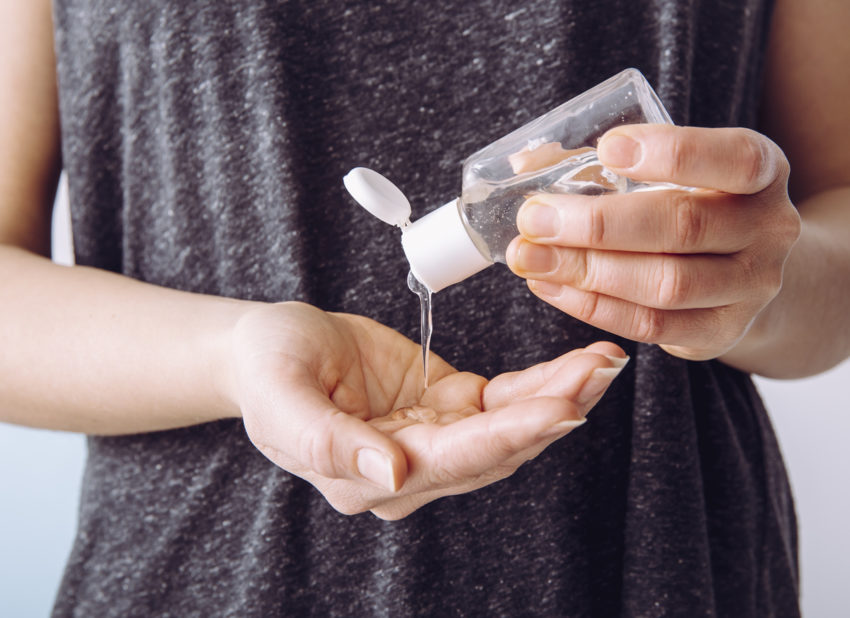
Clean hands are critical to reduce the spread of infection, particularly coronavirus (COVID-19). However, washing with soap and water isn’t always option. In 1966, nursing student, Lupe Hernandez, realized alcohol in gel form could be an effective way to clean hands when soap and water weren’t available. She called an inventions hotline to learn about patenting hand sanitizer. Over 50 years later, Hernandez's invention is still saving lives against threatening diseases and protecting brave medical professionals. Hand sanitizer sales and wipes has grown steadily. They expanded beyond hospitals and care homes to supermarkets and personal accessories. The U.S. market of hand sanitizer was $28 million in 2002. In 2009, hand sanitizer sales soared in the wake of ...
Older people are highly susceptible to the coronavirus COVID-19, but young adults aren't off the hook, either. Almost 40% of U.S. coronavirus patients who were sick enough to need hospitalization were between the ages of 20 to 54, according to recent CDC data. "I think everyone should be paying attention to this," Stephen S. Morse, a professor of epidemiology at Columbia University's Mailman School of Public Health, told the New York Times. "It's not just going to be the elderly. There will be people age 20 and up. They do have to be careful, even if they think that they're young and healthy."
Why Coronavirus is a Concern for Young People
Globally, officials are reporting 246,276 confirmed cases or coronavirus, with 90,000 recoveries and 10,000 deaths. Out of the 508 U.S. ...
The coronavirus pandemic is weakening the already-fragile rural health care safety net, and endangering health of rural residents, public health experts say. Here are a few ways this is happening.
The Rural Health Care System and Coronavirus (COVID-19)
Rural hospitals are small businesses that their communities rely upon. But health staff is becoming sick. Cash-flow problems are at crisis levels, according to the National Rural Health Association. They list these troubles: Adequate number of supplies and tests
EMS shortages, as many in rural communities are volunteers;
Overall workforce shortages if rural providers get sick;
Telehealth waivers and site flexibility for Rural Health Clinics;
Critical Access Hospital waivers; and
Need for loan ...
A fines del año pasado, un nuevo virus broto en Wuhan, China: esta enfermedad, ahora conocida como COVID-19 (tambien llamada coronavirus), se ha extendido por todo el mundo. Está presente en casi todos los continentes, y el número de casos segue aumentando y afectando incluso a muchos latinos y hispanos. Aún así, aunque los expertos médicos dicen que el coronavirus es algo que debemos tomar en serio, también señalan que es algo que se puede manejar con intervención directa. "Esta epidemia puede retrasarse, pero solo con un enfoque coordinado e integral que involucre a toda la maquinaria del gobierno", dijo el director general de la Organización Mundial de la Salud (OMS), Tedros Adhanom Ghebreyesus, en una reciente conferencia de prensa. "Hacemos un llamado a todos los ...
Time and again, statistics go to show that communities of color, including Latinos, face a rampant and widespread lack of access to quality healthcare. In this state of emergency that the U.S. faces with the outbreak of the current novel coronavirus, COVID-19, those disadvantages are worse than ever. Disadvantaged groups currently, and will continue to, experience burdens in receiving, affording, and managing medical treatment as the virus continues to spread. “Crises such as H1N1 and COVID-19 provide a mirror for our society and the actions we take — or fail to take,” writes Dr. Richard E. Besser, the president, and chief executive of the Robert Wood Johnson Foundation, in the Washington Post. “Today, the United States in that mirror is one in which the risk of exposure ...
By Minnie Morales
San Antonio Cancer Survivor I've always felt there are many ways to view any situation and essentially make light of anything you are going through. I never imagined having to face such dark days as early as 20 years old, but that is what God asked me to do. When I graduated high school and started getting my prerequisites for nursing school, life was hard enough transitioning into adulthood! I fully trusted the doctors when I showed them a large lump in my right breast that I found while sitting in my college class. "It's just a cyst... you're too young to get breast cancer, don't worry about it." Because breast cancer doesn't run in my family and I had never encountered anything like that at 19, I believed what I was told. I finished my ...
Everyone deserves a safe and reliable way to get to healthy food—whether a supermarket, corner store, food bank, farmers market, or community garden. Unfortunately, many Latinos and people in low-income communities, rural communities, and communities of color are disproportionately burdened by long and unreliable commutes, as well as unsafe routes to nutritious food. That’s why the Safe Routes to Healthy Food Task Force worked for two years to refine the concept of safe routes to healthy food. Now they’ve released a new report with policy implications, opportunities, and recommendations. “This collaboration demonstrated that improving access to healthy foods for people without cars can be improved by a variety of sectors, including: transportation, healthy food access, ...