Three recent European studies are making bold claims and generating sensational media headlines—like "Smokers seem less likely than non-smokers to fall ill with covid-19." But does the science support these studies? No, according to many health experts. “The results of a small study with significant flaws are being blown out of proportion and people’s lives are potentially being put at risk as a result,” said Dr. Anna B. Gilmore, professor of public health at the University of Bath. WHO even issued a statement on May 11, 2020. They urge researchers, scientists and the media to be cautious about "amplifying unproven claims that tobacco or nicotine could reduce the risk of COVID-19." "There is currently insufficient information to confirm any link between tobacco or ...
Without childcare, going back to work after the coronavirus lockdown is not an option for many families. But many city and state leaders are overlooking this childcare dilemma as they push to reopen businesses, even while schools remain closed amid the pandemic. That’s why Melinda Lopez is speaking up. Rhode Island, where Lopez lives, began reopening businesses on May 9. But childcare sites have to remain closed through May 30. Beyond this three-week-lag, when childcare centers do reopen, they will take fewer kids. Many moms will still be left without a spot for their child. “I’m concerned about what our women in our communities are going to do,” said Lopez, an Education Strategies Specialist with Highlander Institute, Early Childhood Adjunct Instructor at Rhode ...
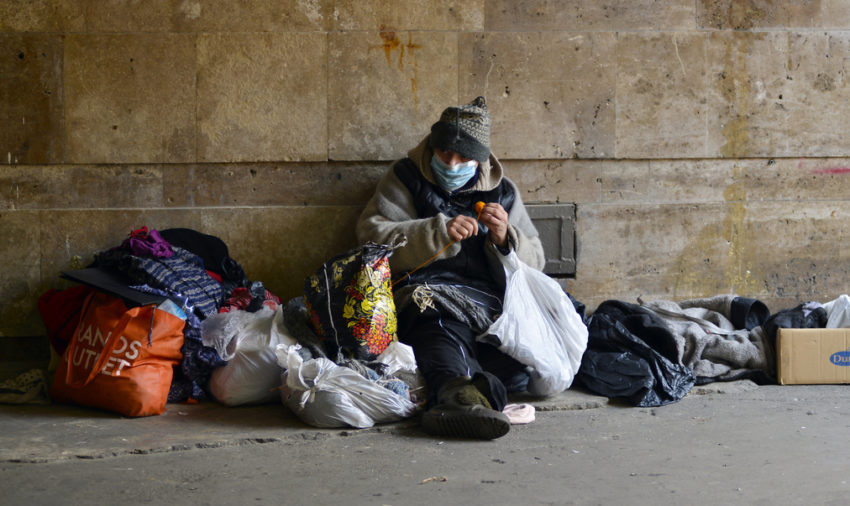
The COVID-19 pandemic is having a devastating impact on homelessness. People who experience homelessness are transient. That makes it harder to detect, track, and prevent disease transmission, and treat those who need care. Now some experts say rising unemployment could spark a 45% rise in homelessness by the end of 2020, leaving 800,000 people with no permanent shelter in the U.S., the L.A. Times reports. "If the projections of unemployment being made now turn out to be accurate, and the relationship between unemployment and homelessness follows the historical pattern, and no other major changes occur, that’s what we can expect to happen," said economist Dr. Brendan O’Flaherty of Columbia University.
Concerns for the Homeless amid Coronavirus
People experiencing ...
Without paid sick leave, too many Latinos are forced to choose between financial security and health. After all, just a few days of lost pay due to illness is the same as losing an entire month’s worth of groceries for some families, which fare worse during a pandemic like COVID-19. “For a typical Latino family without paid sick days, losing an average of 3.3 days due to sickness is equivalent to a family’s entire monthly health care budget or its monthly grocery budget,” according to a joint fact sheet from UnidosUS and National Partnership for Women & Families. This situation won’t just fix itself after the pandemic, either. “Lives are at stake when policies are not put in place from the top down to prevent the spread of disease or create healthy living ...
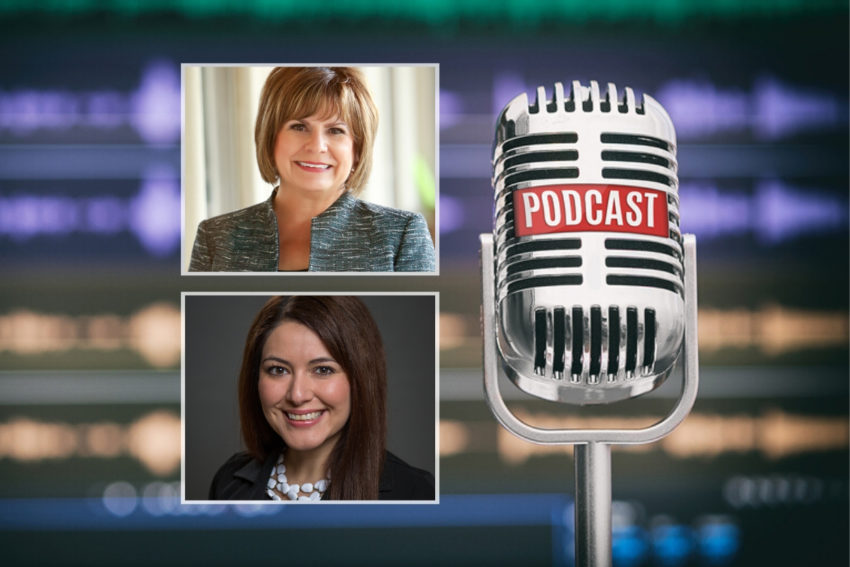
Dr. Amelie Ramirez, Director of Salud America! at UT Health San Antonio, and Rosalie Aguilar, National Project Coordinator, discussed some of the challenges U.S. Latinos face amid the COVID-19 pandemic, on a recent episode of The Nation's Health, The American Public Health Association (APHA) podcast. On the podcast, Ramirez and Aguilar talked about: How COVID-19 impacts U.S. Latinos differently
The important role language plays during a pandemic like COVID-19
Promoting health equity during the pandemic
What public health practitioners can do to close the gap and lessen the harmful impact on Latino communities Latinos already face a number of health disparities due to underlying inequities in poverty, access to quality and affordable housing, jobs, and ...
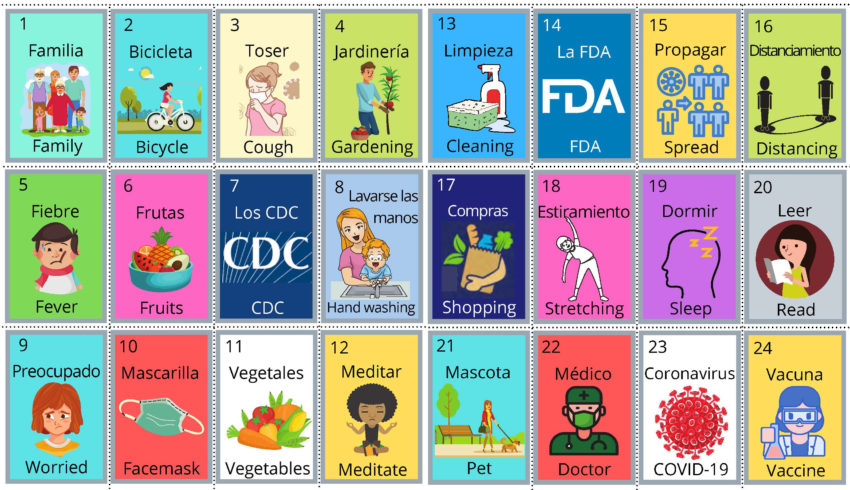
Use La Loteria to talk about health with your family amid COVID-19! La Loteria, a traditional game in Latino families, is a version of Bingo using pictures on cards instead of numbers. The National Alliance for Hispanic Health has created COVID-19 Bingo (La Loteria). The family game has pictures of social distancing, hand-washing, video calls, physical activity, healthy food, faith, hope, and more. "My daughter and I were playing La Loteria and we thought it might be a great way to help other kids understand COVID-19," said Edgar Gil Rico of the National Alliance for Hispanic Health. "So it became a family project resulting in a new version of Bingo (La Loteria) with tips for parents to use the game to discuss COVID-19 and what families can do to stay well and healthy." La ...
By Julie Moser
Military Spouse, Breast Cancer Advocate
Founder, Executive Director, PWATX October 28, 2013, is a date that will always be one that will be remembered without thinking about it. You know, like a birth date or wedding anniversary. October 28, 2013, is the day I became a survivor. When the doctor said the words: “You have cancer." On the early morning of my husband’s third deployment send-off, I noticed a brown line under my left breast after a shower. It looked like I had burned my skin with a curling iron. My husband said that it probably wasn’t a big deal as long as I didn’t feel any lumps. I didn’t tell him I felt something but told him that I would get it checked out later in the day with my primary care physician. My doctor found three ...
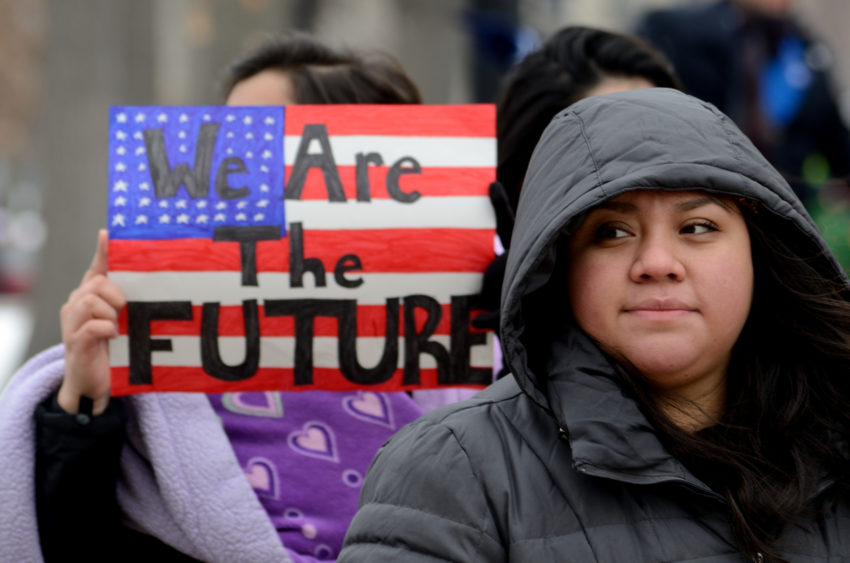
Millions of unauthorized, taxpaying immigrants will not receive any financial support from the U.S. government through its recent stimulus package. The Coronavirus Aid, Relief, and Economic Security (CARES) Act provided most Americans with $1,200—as well as an additional $500 for each child under 17—to provide some economic security in the wake of the pandemic. Still, undocumented residents who pay taxes using a taxpayer identification number did not receive any help. Worse, children in that household, whether they are American citizens or not, won't receive aide either — and these families are suing the government over this issue. "The refusal to distribute this benefit to U.S. citizen children undermines the CARES Act's goals of providing assistance to Americans in need, ...
Preparing for and overcoming any disaster, such as the current coronavirus pandemic, requires healthy and resilient communities. However, after age, obesity is the biggest risk factor for being hospitalized with COVID-19. And the U.S. has one of the highest obesity rates in the world, with drastic disparities among racial/ethnic groups, including the highest rates among Latinos. To beat COVID-19, we need healthier communities that prevent obesity and leaders who prioritize equitable access to healthy food, housing, and safe spaces to walk and bike instead of space for cars. “We in the U.S. have not always identified obesity as a disease, and some people think it’s a lifestyle choice. But it’s not,” said Dr. Matthew Hutter, director of the Weight Center at Massachusetts ...