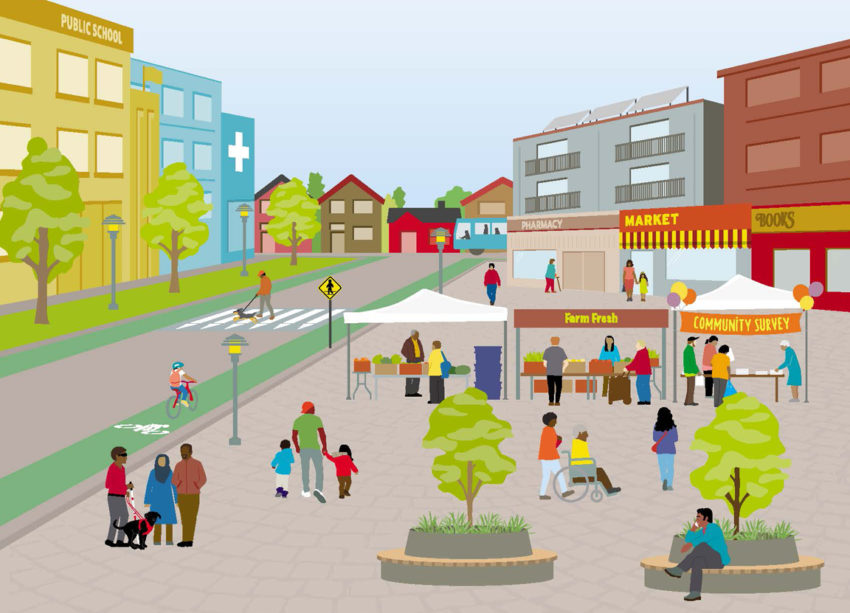
Local planners have the power to help create healthy, fair communities. Unfortunately, common planning practices have contributed to the high percentage of poor people and people of color who live in unhealthy places, widening disparities in health and wealth. That's why our friends at ChangeLab Solutions created Long Range-Planning for Health, Equity & Prosperity: A Primer for Local Governments. This can help planners prioritize health and equity in their work. "By integrating health and equity considerations into planning practices, planners have the power to revise past planning decisions and create healthy, equitable, and prosperous communities," ChangeLab reports.
Place Matters for Health Equity
Where you live matters for your health. Inequitable city planning, ...
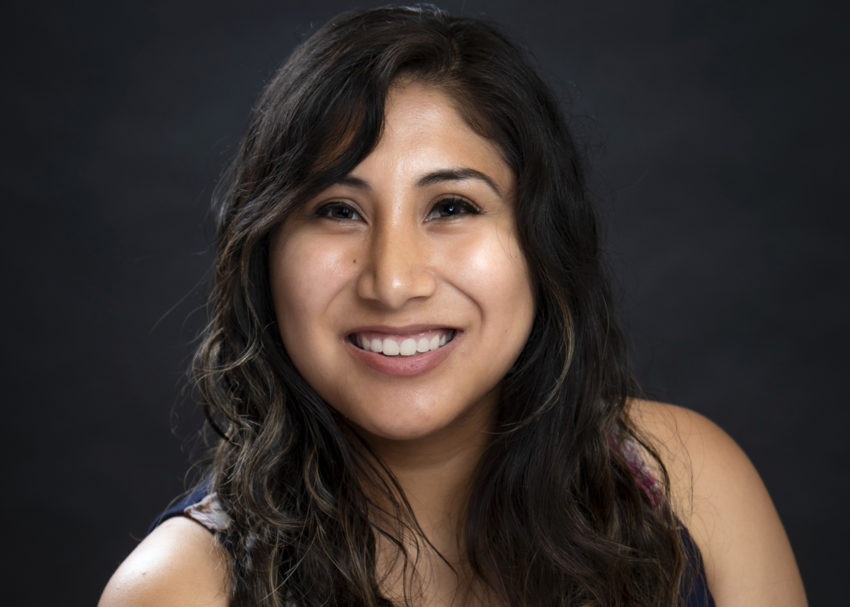
Growing up, Sophia Rodriguez experienced a clash of Peruvian-Mexican cultures, traditional values, and food in her home. This prepared her to confront uncomfortable health and social justice issues. Now Rodriguez is pushing for Latino health as a master’s-degree student in health promotion and behavioral science at San Diego State University, where she also works as part of a research team to boost colorectal cancer screening. Rodriguez also has coordinated programs for disadvantaged pre-med and pre-health students with the University of California, Riverside. One of the programs involved health coaches stationed at Riverside County clinics that focused on lifestyle modifications for patients with diabetes, high blood pressure, and high cholesterol. To further her experience ...
Sugary drink taxes are taking out the fizz across the nation. From Washington, D.C., to Berkeley, Calif., sugary drink taxes are raising the price of soda, tea, and energy drinks, with the hope that people will buy fewer taxed drinks. These drinks do not contribute to good health, according to a Salud America! research review. But are shoppers really buying fewer sugary drinks as a result? A series of studies explores this question.
How Sugary Drink Taxes Affect Purchases
A new study from Mathematica Policy Research and others indicates that sugary drink taxes can reduce purchases of sugary drinks. Researchers examined the impact of taxes in four cities: Philadelphia, San Francisco, Seattle, and Oakland. They compared changes in household monthly purchases to nearby cities ...
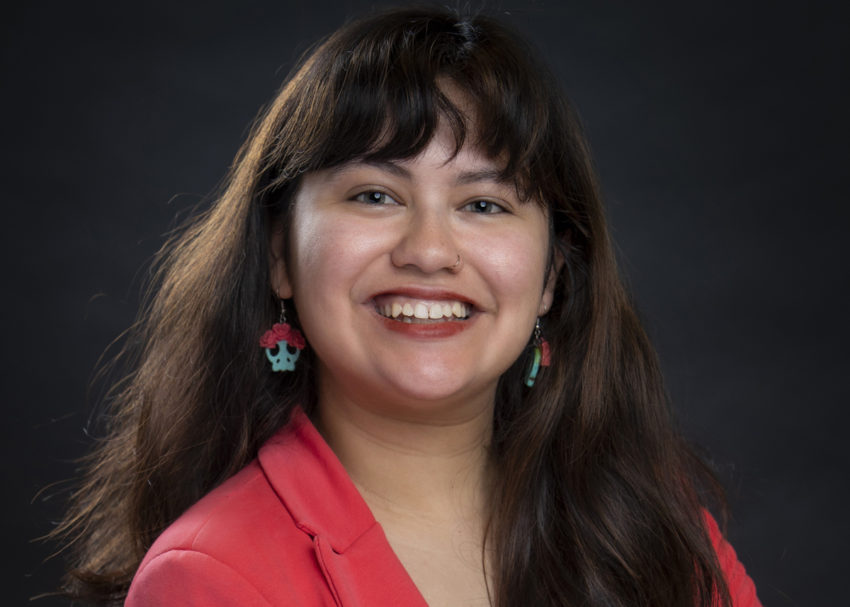
Mexico holds a special place in Marissa Jauregui’s heart. Jauregui has taught English to students in Yucatan as a Fulbright scholar, and she grew up traveling to visit her grandparents. Now she is keeping her roots in mind as a first-year student in the Community Oriented Public Health Practice program at the University of Washington, Seattle. She already is focusing on mental health, reproductive health, health disparities, and health policy. She has strong leadership qualities and desires to conduct research and advocate for mental health services outside of the clinic. To further her experience and education, Jauregui applied for the Éxito! Latino Cancer Research Leadership Training program. The Éxito! program, led by Dr. Amelie G. Ramirez at UT Health San Antonio ...
Latino children are less likely to have their vision tested compared to their peers. From 2016 to 2017, only 58.6% of Latino children ages 3 to 5 had taken a vision test from a health professional, according to new CDC data. "Childhood vision screenings may provide early detection of vision disorders and opportunities for subsequent treatment," the authors say.
Latino Eye Health Risk Factors
In addition to Latino disparities, screening rates also were affected by differences in socioeconomic status, parental education, and healthcare access: Children living in families with incomes below 200% of the federal poverty level were about 10% less likely to have their vision tested.
Children whose parents had the equivalent of a high school diploma or less were almost 20% less ...
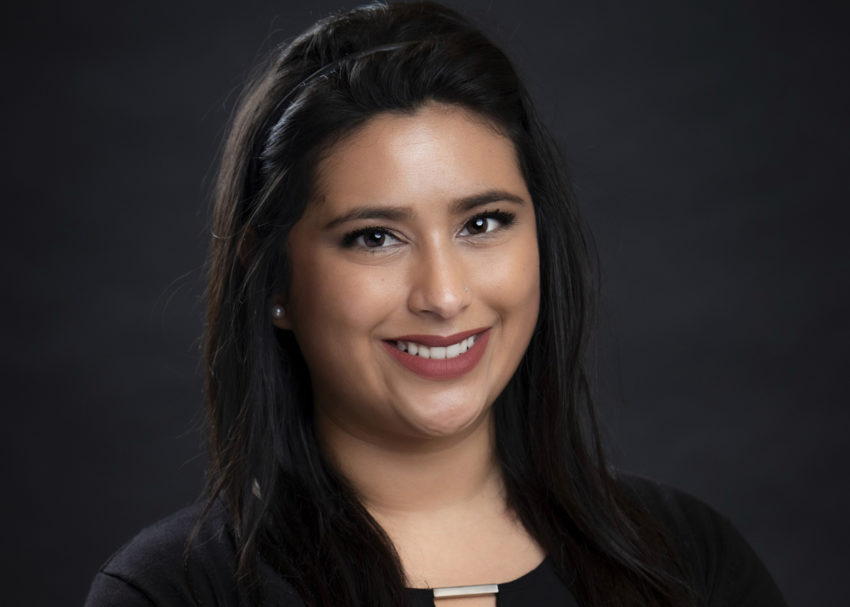
Having worked firsthand with promotoras de salud, Emily Reyes understands the important role community health workers play in addressing Latino health disparities. Reyes, who has a master’s degree in public health from California State University, Fullerton, specializes in health promotion and regularly works with underserved communities to bring health equity and sustainable change through education, services and civic participation. Her interests include improving rural health, public policy, and infectious diseases research─all done with the same resilience and grit as her mother, who earned a master’s degree while raising a family as a single mom. To further her experience and education, Reyes applied for the Éxito! Latino Cancer Research Leadership Training ...
Jennifer Valdivieso has a lot of grit. In fact, she left a job she felt was morally wrong and did a complete 180. Today you will find Valdivieso speaking up for human rights, stable housing, and transportation to improve health among individuals experiencing homelessness. Valdivieso is currently pursuing a dual-master’s-degree in social work and public health at Howard University in Washington, D.C. She works as the program specialist for the homeless outreach program with the D.C. Department of Behavioral Health. Valdivieso hopes to blend her dual degree to help reduce health disparities for individual experiencing homelessness with chronic disease. To further her experience and education, Valdivieso applied for the Éxito! Latino Cancer Research Leadership Training ...
By Ursula Garcia
Texas Cancer Survivor I was a young, healthy 27-year-old, who had just recently moved to Grapevine, Texas, with my fiancé. Around that time I noticed a lot of bloody nipple discharge from my left side. Being young and healthy and with no family history, I kept going on with life as if nothing could be wrong. The following month it was time for my annual exam. I mentioned it to my doctor. A swab of the discharge was done. But nothing abnormal came back. So again I went on as if there was nothing to be concerned about. About a month later the symptoms became worse. I was bleeding a lot easier and the amount seemed to be getting worse. My fiancé noticed and said something didn't seem right and I should probably see a doctor. I immediately called my doctor ...
When many people get a flat tire, they call Triple-A for help. Well, Jeslie Ramos Cartagena can change her own flat tire, thanks to her single mom, who raised her and taught her many practical skills, none more important than “independence.” Ramos Cartagena, born and raised in Cayey, Puerto Rico, is turning her independent nature into perseverance as she works non-stop toward her goal to reduce cancer health disparities. In 2016, she completed a bachelor’s degree in Natural Sciences at the University of Puerto Rico (UPR) in Cayey. She earned her master’s in epidemiology from UPR’s Medical Science Campus in 2018. To further her experience and education, Ramos Cartagena applied for the Éxito! Latino Cancer Research Leadership Training program. The Éxito! program, ...