The U.S. burden of Alzheimer’s disease and related dementia will more than double within 50 years, and Latinos will suffer the biggest rise, according to the CDC. Alzheimer’s is the only top-10 cause of death without an effective treatment or cure. However, new legislation is targeting this rising crisis.
The CHANGE Act
The CHANGE Act takes a targeted approach to addressing our nation’s Alzheimer’s crisis by encouraging early detection, diagnosis, and access to interventions, according to UsAgainstAlzheimer's. The CHANGE Act was introduced by eight U.S. Senators, including two Latinos, Robert Menendez (D-NJ) and Linda Sanchez (D-CA). Some of the senators are Republican, some Democrat. The latest emerging science indicates that proactive, risk-modifying measures exist ...
The U.S. burden of Alzheimer’s disease and related dementias will more than double within 50 years, and Latinos will suffer the biggest rise, according to a new study from the Centers for Disease Control and Prevention. CDC indicates the total number of Alzheimer's cases will rise from 4.9 million in 2014 to 1.4 billion in 2060. But themost staggering rise is among Latinos: Latinos living with Alzheimer's will rise from 430,000 in 2014 to 3.2 million in 2060. That is a more than seven-fold increase in that span.
African Americans living with Alzheimer's will rise from 573,000 million in 2014 to 2.2 million in 2060.
White (non-Latinos) living with Alzheimer's will rise from 3.7 million in 2014 to 7.4 million in 2050, before starting to decline to 7.1 million in ...
Did you know one new case of Alzheimer’s disease occurs every 65 seconds in the United States? Sadly, U.S. Latinos are 1.5 times more likely to develop Alzheimer’s disease than whites, studies show. Alcohol, sleep deprivation, and diabetes play a role. This can stress Latino family caregivers. Preventing Alzheimer’s is critical as the young Latino population ages. Let’s use #SaludTues on Tuesday, Aug. 14, 2018, to tweet about the latest research and beneficial strategies and programs to prevent and reduce Alzheimer's Disease among Latinos and all people! WHAT: #SaludTues Bilingual Tweetchat─Tackling the Latino Alzheimer's Crisis
TIME/DATE: 1-2 p.m. ET (Noon-1 p.m. CT), Tuesday, Aug. 14, 2018
WHERE: On Twitter with hashtag #SaludTues
HOST: @SaludAmerica
...
Did you know that someone in the United States develops Alzheimer's every 66 seconds? Multi-billionaire philanthropist Bill Gates knows. He has had family impacted by the disease. And that's why he's investing $50 million to fund research to find treatment for Alzheimer's disease, a type of dementia that destroys memory and mental processing. "It’s a terrible disease that devastates both those who have it and their loved ones," Gates wrote on his blog recently. "I know how awful it is to watch people you love struggle as the disease robs them of their mental capacity, and there is nothing you can do about it. It feels a lot like you’re experiencing a gradual death of the person that you knew." Alzheimer's is the No. 6 cause of death in the United States. It kills more ...
As the U.S. population continues to age, more Latinos and all people will face memory loss because of Alzheimer’s disease and related dementias. Fortunately, every year, the U.S. Department of Health and Human Services (HHS) updates its National Plan to Address Alzheimer’s Disease to adopt new strategies to support communities impacted by Alzheimer’s and related dementias. This year, HHS is seeking direction from clinicians, researchers, caregivers, and families on what areas to focus on to address dementia through 2035. 170 people submitted a Salud America! model comment to tell HHS to help improve Alzheimer’s health outcomes for Latinos and all populations by supporting clinical trials, programs, and investments that make a ...
Human beings need social interaction to live a healthy life.
But did you know how much you socialize can have a direct effect on your brain health?
Social isolation is not only linked to negative brain health, but the impacts also can be worse depending on where you live, according to a recent study from UT San Antonio and Princeton University.
Check out our new fact sheet, How Does Social Isolation Impact Brain Health in Aging Adults?, to help our abuelos and abuelas across the globe understand how maintaining an active social life can impact their brain health as they age.
This fact sheet was created by Dr. Amelie G. Ramirez of Salud America! and UT Health San Antonio based on a research brief from the San Antonio Center for AD/ADRD Population Aging and Social Studies (San Antonio ...
Alzheimer’s Disease is a rising health issue for Latinos and many others. To ensure support for those affected and their caregivers, UT Health San Antonio hosted a webinar, “Zeroing in on Alzheimer’s, Brain Health, and Caregiving in At-Risk Populations,” at 11 a.m. Central on Tuesday, July 21, 2026. Webinar host Dr. Amelie Ramirez, leader of Salud America! and the Institute for Health Promotion Research at UT Health San Antonio, joined experts from the San Antonio CAPAS research program, a representative from Genentech, a community health worker, and a Latino caregiver to focus on the impact of Alzheimer’s in South Texas and beyond. Panelists discussed the state of Alzheimer’s among Latinos and all people, early signs, early diagnosis, and what the condition means for ...
The US has an aging population, as the number of US adults aged 65 and older is set to increase from 58 million to 82 million by 2050, according to the Census Bureau. With aging comes many challenges, including cognitive decline. For example, as you age, your mind may take longer to recall names or words. Sometimes certain parts of the brain shrink, affecting memory and overall function. That’s one of the reasons that the Demography & Economics of Aging Coordinating Center (DECC) was created by the National Institute on Aging (NIA). The DECC is headquarters for 18 centers, including the San Antonio CAPAS Program at UT Health San Antonio, to help advance research on aging and Alzheimer’s disease. Let’s meet the centers and how they are working ...
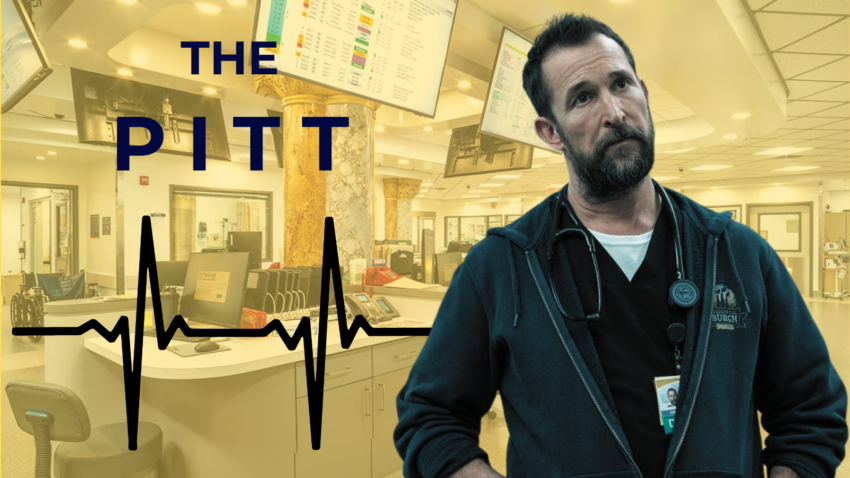
From acute bronchitis to car accidents to overdoses, you never know what is going to come through the doors of an emergency room. However, the ER isn’t only for severe situations – some use it for primary care. This is because the ER has an obligation to treat patients despite someone’s insurance or lack of insurance. That’s why it tends to expose cracks in the health care system. The flaws of health care are mirrored in the HBO TV series The Pitt. The fictional series, set inside a Pittsburg teaching hospital, primarily caters to low-income individuals, celebrates differences, brings awareness to relevant issues, and provides commentary on the US healthcare crisis. Here are some of the ways The Pitt shows how to address the Latino health care crisis. ...