
 by
by 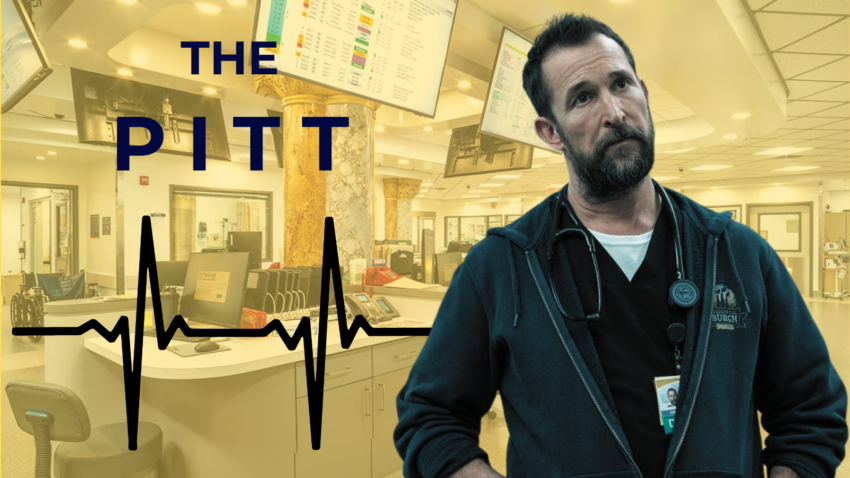
Share On Social!
From acute bronchitis to car accidents to overdoses, you never know what is going to come through the doors of an emergency room.
However, the ER isn’t only for severe situations – some use it for primary care.
This is because the ER has an obligation to treat patients despite someone’s insurance or lack of insurance. That’s why it tends to expose cracks in the health care system.
The flaws of health care are mirrored in the HBO TV series The Pitt.
The fictional series, set inside a Pittsburg teaching hospital, primarily caters to low-income individuals, celebrates differences, brings awareness to relevant issues, and provides commentary on the US healthcare crisis.
Here are some of the ways The Pitt shows how to address the Latino health care crisis.
1. Health Worker Shortage
During the pandemic, the world shut down. But health care workers had to keep going under some of the most tense and stressful working conditions anyone has ever known.
Faced with the unknown, many stepped into danger to care for those who needed it most, but some cracked under the pressure and left the profession.
This left a national health care worker shortage that is still going on today.
One of the mainstays of The Pitt is the juxtaposition between the busy emergency room area and an even busier waiting room.
While a short staff of skilled workers is hard at work behind the scenes, those out in the waiting room are quickly losing patience while others suffer from not being seen in a timely manner.
The stress behind the scenes and in the waiting room comes to a head when a nurse is assaulted during a break after a patient had been waiting all day to be seen.
The incident brings attention to the growing number of incidences of violence that take place in hospitals across the country and how it contributes to the worker shortage.
2. Bilingual Health Workers
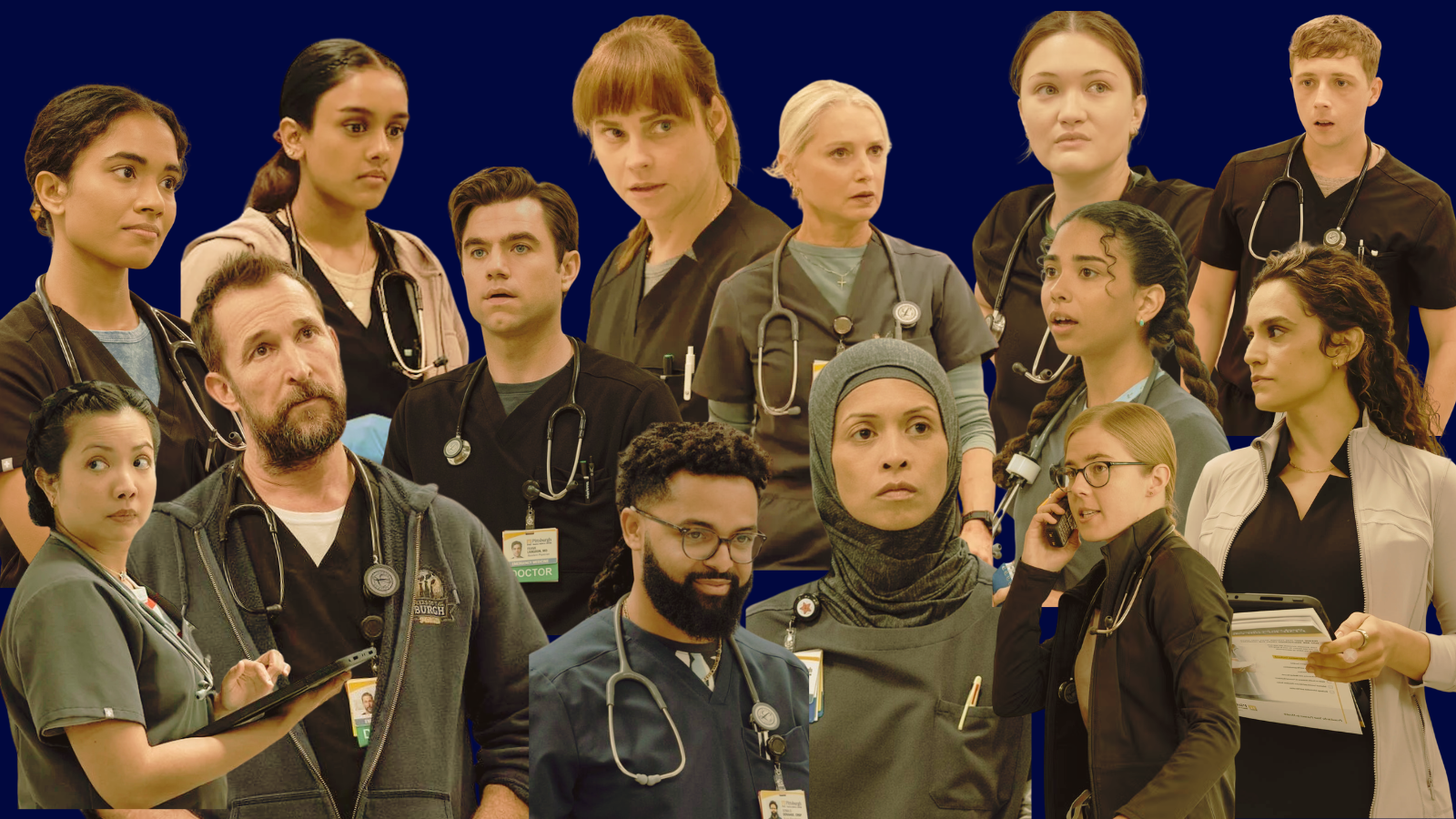
One place The Pitt truly shines is the background variety of the workers.
Together, they can address the needs of multiple patients and in multiple languages, including Spanish.
This is accurately portrayed when patients come into the hospital for care, often scared and frightened, and the sense of relief they get when the person who is caring for them not only looks like them but sounds like them.
Seeing this play out on screen underscores the importance of having health care providers that look and sound like the entire population.
3. Screening for Non-Medical Drivers of Health
As a teaching hospital that sees many low-income and unhoused individuals, this fictional emergency room staff takes pride in being able to extend a helping hand beyond medical duties; this includes screening for non-medical drivers of health.
Non-medical drivers of health are the social, economic, and background-driven factors that determine your health.
For instance, if someone doesn’t have access to clean drinking water or healthy food, it could negatively affect their health.
In asking questions such as “Have you ever skipped a meal because you couldn’t afford groceries?” or “Have you ever taken less of your prescribed medication?” these workers can connect their patients with helpful resources that can make a long-term impact on their health.
However, not too many hospitals have a system in place to screen for non-medical drivers of health.
To learn how you can implement non-medical drivers of health screening at your medical facility, download the free Salud America! Action Pack, “How to Screen for NMDoH in Healthcare,” to develop a screening program in your clinic, hospital, or healthcare system.
The action pack, developed by Dr. Amelie G. Ramirez at UT Health San Antonio, has a conversation-starting model email, fact sheet, checklist on how to develop screening, and a guide on existing screening tools for NMDoH.
4. Modifiable Risk Factors
The patients that viewers see come through the emergency room doors of The Pitt are often brought there because of lifestyle choices they’ve made.
These are known as modifiable risk factors and can include eating unhealthy foods, excessive drinking, smoking, physical inactivity, and more.
This can lead to higher risks for chronic health conditions that can increase your chances for even worse health issues such as heart disease, Alzheimer’s, and cancer.
In the case of The Pitt, we see one patient who is often seen by the staff and is known as a “regular” in the emergency room.
Viewers can slowly see his health chip away as he refuses to quit drinking until his vice finally kills him.
While it leaves a hole in the hearts of the staff who knew and cared for him, it is also a cautionary tale of how indulgent behavior can negatively impact your health.
5. Emergency Rooms as a Source of Primary Care
Due to lack of insurance, many people don’t have a primary care provider.

As a result, these individuals often come into the emergency room for primary care.
This is because there are no up-front costs to be seen, and they aren’t turned away because they can’t afford the cost of treatment.
This is why emergency rooms see more patients than usual, causing a strain on staff and hospital resources.
The influx of people without insurance can cause a financial strain on a hospital, and long-term consequences include shutting down the hospital entirely.
In a high area of need, hospitals shutting down creates deepening health care deserts and hurdles such as lack of transportation and health care access become harder to overcome.
6. Cost of Health Care
The rising cost of health care continues to be a major hurdle for many receiving care.
It often impacts someone’s decision to come in for care and can delay going to see a provider for a potentially life-threatening issue.
This results in longer hospital stays, more expensive treatments, and worse health outcomes, including a higher risk of death.
This issue played out in the second season of The Pitt when a Latino family man who struggles with managing his diabetes was brought in after collapsing because he had been siphoning his insulin to cut down on costs.
Siphoning medication is extremely dangerous and can cause serious long-term health complications.
Despite being told he needed in-patient treatment, he knew he couldn’t afford the cost after privately disclosing he already had a mounting medical debt and left against the provider’s advisement.
He returned later after collapsing again — this time suffering a traumatic brain injury from the fall that placed him in a coma.
If he were to wake up from the coma, he could suffer long-term health complications that would require at-home care for the rest of his life.
Due to this circumstance, he would now qualify for Medicaid coverage.
7. Medicaid and Medicare Coverage Loss
In a recent episode of The Pitt, a Latino teen is rushed to the emergency room with a nebulizer to mitigate his asthma symptoms.
He can barely breathe, and the team has to hurry to save him before his situation becomes irreversible.
Meanwhile, they are asking him about his medical history and what he takes to manage his asthma. It’s during this time that they become aware of their loss of insurance.
They were receiving Medicaid, but when it came time to renew, there was a mix-up in address, and they had been paying out of pocket for the teen’s inhaler at roughly $400 a month.
The mom was in the process of getting them back on the insurance, but the paperwork had been tied up for months, holding the family accountable for any medical costs without insurance.
While Medicaid and Medicare are real options for low-income families, there are some that don’t meet the strict requirements due to making just a little over the income requirement.
What’s more, governments are making it more difficult to apply for benefits after getting rid of automatic renewal during the COVID-19 pandemic.
One small error on either end or trying to navigate the difficult and confusing renewal process can leave a family in need without insurance.
8. Immigration Issues
On the latest season of The Pitt, viewers are shocked when a woman is carried into the emergency room, handcuffed, and flanked by two immigration enforcement officers in tactical gear.

Fear is evident on the woman’s face, which has been bruised and bloodied.
While the medical team does all the can to help the injured women, they are prohibited from doing more like alerting her family members about where she is and what had happened to her.
To make matters worse, the officers’ presence causes a huge stir in the emergency room with several patients inside the hospital and in the waiting room fleeing out of fear.
Not only do patients leave the scene, so do several of the workers, which leaves the hospital shorter staffed than they already were.
This disruption comes to a pinnacle when they rush the woman out of the ER without proper care and the brutality the officers display is met with resistance from staff.
The staff member who intervened was taken away in handcuffs by the officer.
Immigration enforcement has become a hot button topic, bringing attention to the disruption it causes within the health care system, questions the use of possible excessive force without consequences, and shows the potential for inhumane treatment for those in custody, which includes not being given proper medical care.
What is the Status of Health Care Where You Live?
Issues that arise in hospitals continue to expose the cracks in the US healthcare system with some communities carrying more burden than others.
What is the status of health care where you live?
Find out by downloading a Salud America! Health Report Card for your town!
Enter your county name and get auto-generated local data with interactive maps and comparative gauges on several health indicators. This can help you visualize and explore local issues in education, housing, transportation, food, health, and more.
See how your county stacks up compared to the rest of your state and nation.
Then email the Report Card to local leaders to raise awareness, include the data in a presentation or grant proposal, or share it on social media to drive healthy change in your community!
Explore More:
HealthBy The Numbers
1
out of 10
Pedestrians survive when hit by a car at 40 MPH