by
by 
Share On Social!
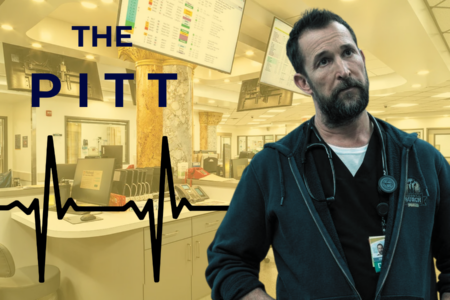
In the fictional hospital TV show The Pitt, a Latino family man is rushed to the hospital after passing out at his job.
The cause of his fall?
The man, who has diabetes, had only been taking half of his prescribed insulin dose following a loss in insurance coverage. Despite the threat to his health, he opts out of treatment due to its high cost, his family’s medical debt, and loss of work pay.
He then leaves the hospital without being discharged only to return later the same day — this time on the brink of death.
While this man’s story may be fictional, it represents a reality far too many Latinos and other people encounter — the choice between affording medical care and death.
A recent KFF poll found that half of US adults can’t afford the rising cost of health care, with a third putting off care due to the financial burden.
Let’s explore the poll’s findings and implications cost has on the health and health care.
Americans’ Challenge with Health Care Cost Poll Results
KFF recently published an update to their poll on health care costs and found that families are suffering under the weight of rising health care costs.
Of the adults who said they found it difficult to afford health care, three in 10 admitted that at least one family member struggled to pay for health care in the past 12 months.
Many of these included Latino adults, young adults, or the uninsured.
For those who postponed or prolonged health care due to cost, about 75% of uninsured adults younger than 65 went without care.
Like the character in HBO’s The Pitt, a fictional world of a Pittsburg emergency room, many without the financial means to afford care also must weigh the cost of prescription drugs.
The poll found that one in five adults hasn’t filled a prescription due to cost while 23% have had to resort to a cheaper alternative, such as over-the-counter medications.
What’s more, one in seven reported cutting pills in half or skipping doses within the last 12 months to cut down on cost.
When it comes to healthcare debt, four in ten adults reported having medical debt in 2022.
That number is likely higher as the cost of living continues to rise.
Those who reported this were primarily Black, Latino, women, low-income families, and uninsured adults, according to poll results.
Latino Health Care Costs by the Numbers
When responding the question of difficulty affording health care costs, 44% of Latino respondents said it was very/somewhat easy, compared to Black (50%), Asian (57%), and White (61%).
The poll found that 41% of Latinos had problems paying for care within the last 12 months, compared to 32% Black and 25% White individuals.
 Latinos were more likely to have skipped or postpone health care within the last 12 months due to cost at 43%, compared to 40% Black, 27% Asian, and 34% White individuals.
About 18% of those who said they postponed health care reported that their health got worse.
When it comes to prescription drugs, 38% of Latinos report taking an over-the-counter drug instead of filling their prescription in the last 12 months due to cost, 26% didn’t fill a prescription, and 18% admitted to skipping doses or cutting pills in half.
Latinos were the highest of any group in this category.
The poll also found that half of adults are unable to pay an unexpected $500 medical bill in full.
For Latinos, 25% said they wouldn’t be able to pay at all; 41% said they would go into debt, and 32% said they could pay without going into debt.
The highest cost burden was on Black individuals followed by Latinos and then White individuals.
What the Results Mean for Latino Health
Rising cost in health care can have disastrous consequences on the health of Latinos and all people.
When it comes to Latino health, Latinos suffer disproportionately from cancer and chronic diseases, such as diabetes.
These diseases often require more frequent treatment and come at a higher cost.
To make matters worse, many Latinos are uninsured or underinsured, meaning it’s more difficult to afford health care to begin with.
Those who are uninsured or underinsured can go without regular doctor appointments and may go without life-saving cancer screenings.
All of these factors culminate in postponed treatment, resulting in worse health outcomes and more costly treatment due to health care neglect.
That’s why many cancers and other ailments aren’t found until a much later stage, putting them at a higher risk of death.
What does health care look like where you live?
What kind of health care inconsitencies are plaguing your community?
Find out by downloading a Salud America! Health Report Card for your town!
Enter your county name and get auto-generated local data with interactive maps and comparative gauges on several health indicators. This can help you visualize and explore local issues in education, housing, transportation, food, health, and more.
See how your county stacks up compared to the rest of your state and nation.
Then email the Report Card to local leaders to raise awareness, include the data in a presentation or grant proposal, or share it on social media to drive healthy changes in your community!
Explore More:
HealthBy The Numbers
142
Percent
Expected rise in Latino cancer cases in coming years