by
by 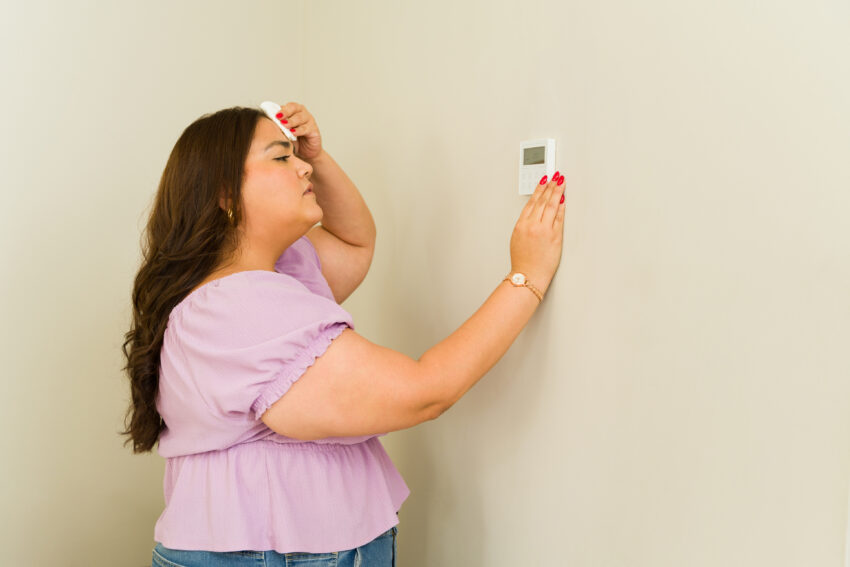
Share On Social!
Amid a sweltering summer heat wave, communities in the U.S. East Coast are struggling to handle the stress on energy demand in homes built to heat rather than cool.
In fact, many households across the county experience a lack of air conditioning reliability.
This often-overlooked non-medical driver of health impacts overlooked populations, lower income individuals, those who live in rural areas, and families that live in densely populated urban areas that lack shade or in older buildings with no central air.
Let’s explore how air conditioning reliability (or unreliability) can affect the health of you and your familia—and how local communities can address this inconsistency.
State of Air Conditioning Reliability
Over 35 million Americans live in a household without an air conditioner, according to a recent analysis of the Residential Energy Consumption Report by KFF.
Of these households without air conditioning reliability, 5 million have a Black head of household, 6.2 million a Latino head of household, 3.6 million an Asian head of household, and 19.2 million a white head of household.
When it comes to air conditioning equipment, 1 in 5 Asian households and 1 in 7 Black and Latino households don’t have air conditioning equipment, compared to 1 in 10 white households, according to the analysis.
Financial Issues Related to Air Conditioning Reliability
Financial challenges were a driving factor of air conditioning reliability.
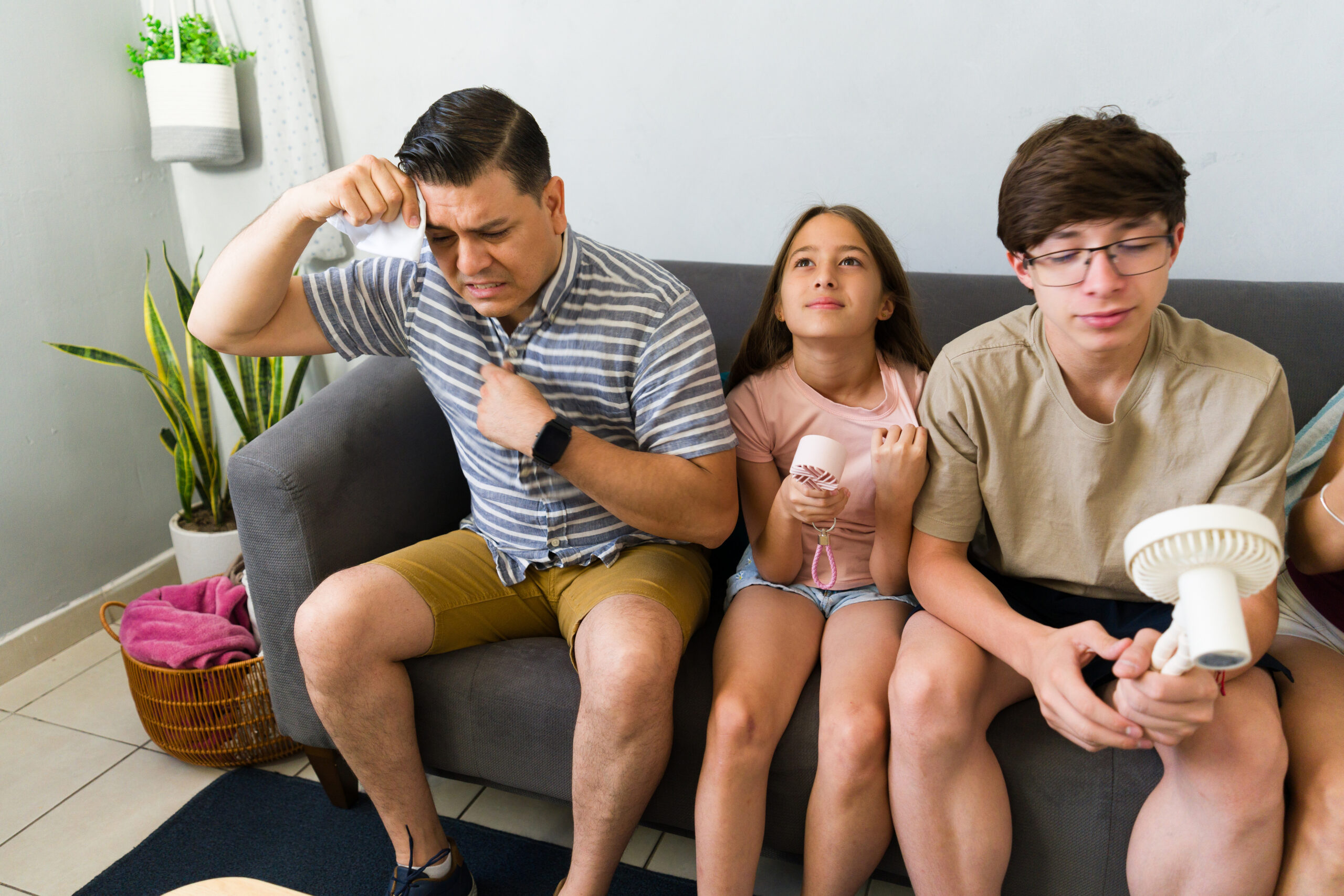
Many households that lack air conditioning are low-income (17% of households), compared with 8% of households with an annual income of $75,000 or more.
11% of Black households and 9% of Latino households reported not being able to use air conditioning due to financial strife, compared to 4% of white households.
Of these households, 12% of Black households and 10% of Latino households, compared to 5% of white households, lived in regions that experience above-average temperatures.
Many of these households admitted to keeping their homes at unhealthy temperatures at least once a year (17% Black and Latino, compared to 7% white households).
One of the most startling observations from the report was the number of households that forewent basic necessities to pay rising energy bills.
20% of households surveyed had to choose between a necessity such as medical care, food, or rent to keep lights on in their homes and air conditioners running.
17% were Asian households, 40% were Black households, 37% were Latino households, and 14% were white households.
Some of these households were concentrated in areas with above-average temperatures (19% Asian, 41% Black, 39% Latino, and 15% white).
Access to Quality Housing
Differences in housing quality can determine your risk for chronic diseases and cancer.
According to the U.S. Environmental Protection Agency (EPA), lower quality housing can expose you and your family to:
- Air pollutants due to inadequate ventilation and filtration
- Allergens brought on by exposure to dust mites and pests
- Mold and moisture exposure
- Chemicals and irritants, such as secondhand smoke and aerosols
What’s more, older housing units may have asbestos insulation or lead paint, putting families at risk for adverse health effects.
Without proper upgrades, environmental interventions, and education, these inconsistencies in housing quality can greatly increase asthma risk, especially in children.
Due to inconsistencies in housing and exposure from other environmental factors, Latinos and other overlooked populations suffer more from asthma than their white counterparts.
For instance, Latino children are 70% more likely to be admitted to the hospital and twice as like to die from asthma than their white counterparts.
Housing Costs and Energy Unaffordability
Housing costs continue to rise.
Many families are struggling to keep up with rent and mortgages. Some face the choice of keeping a roof over their heads, having food in their bellies, or keeping the lights on.
In areas that experience extreme heat, maintaining electricity is not only inherently expensive, but also imperative.
Additionally, older homes, mobile homes, and poorly insulated homes may also experience higher utility bills, leading them to make a choice in what bills they can afford to pay.
Without affordable and reliable access to air conditioning, these households face an increased risk of heat-related illness, including heat exhaustion and heat stroke.
Urban Heat Islands and Air Conditioning Reliability
Urban areas like New York City are some of the most vulnerable areas for extreme heat and issues with air conditioning reliability.
These areas are densely populated, have older homes that are closer together, and have very few green spaces that provide adequate shade to reduce heat.
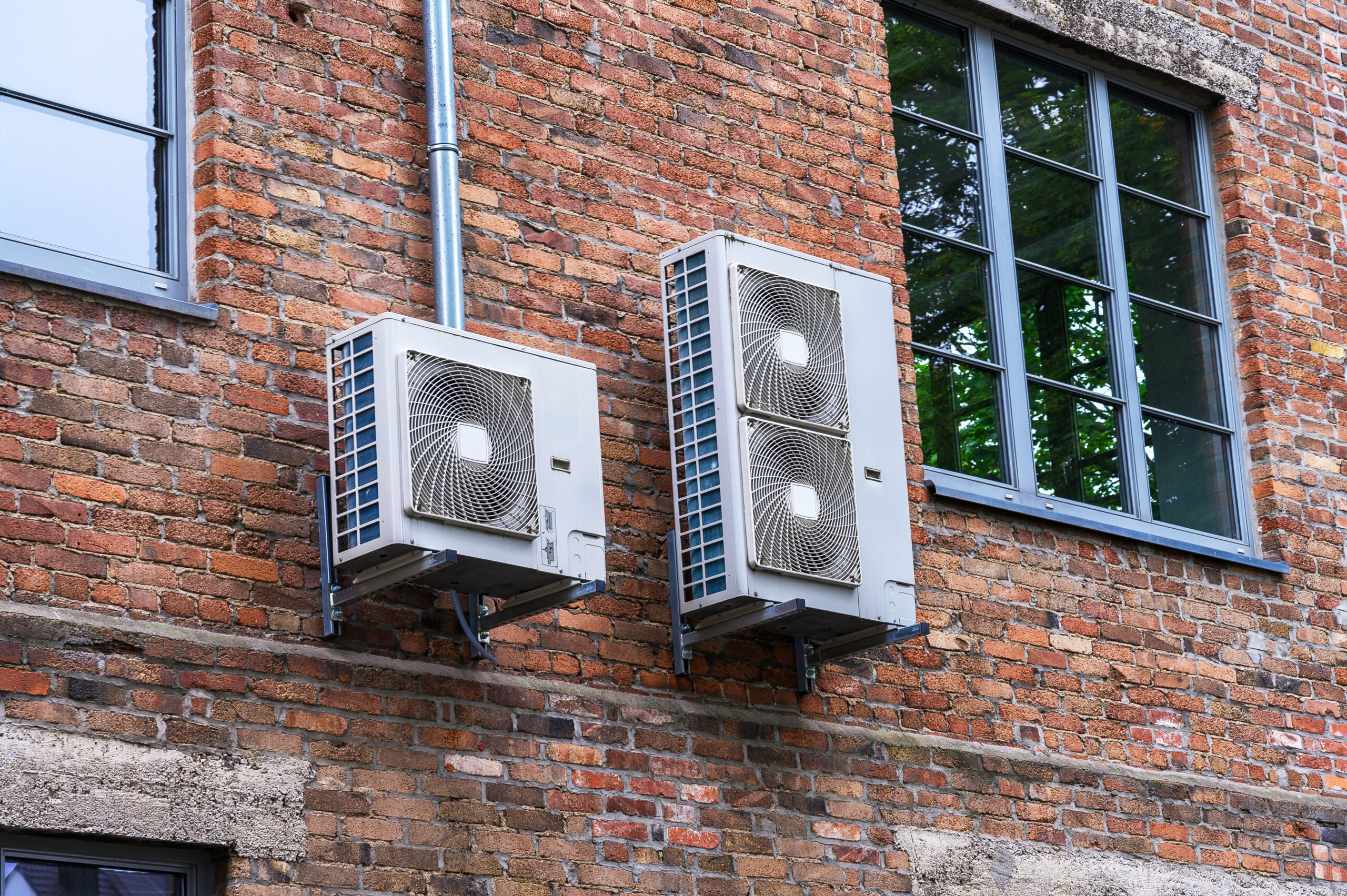
Known as heat islands, these places are home to concrete and brick structures that absorb and re-emit heat, making them vulnerable to extreme heat conditions, according to the EPA.
The spacing between buildings can also agitate wind flow and the ability to absorb and release solar energy.
According to the EPA, these areas can become large thermal hot spots that can’t regulate heat and bring in cooler air.
During extreme heat events, energy demand spikes, putting stress on energy supplies leading to blackouts and power outages.
It can also cause higher emissions, releasing more air pollutants and harmful gases into the air.
Loss of energy can cause reduced water quality and lead to higher heat-related deaths, especially in overlooked populations like the elderly.
In response to the heat island crisis, many cities and communities are proposing creative measures to deal with the heat.
For instance, some use cool pavements in urban areas along with creating more green spaces and installing cooling roofs.
What Does Air Conditioning Reliability Look Like Where You Live?
What does access to reliable air conditioning look like where you live?
Find out by downloading a Salud America! Health Report Card for your town!
Enter your county name and get auto-generated local data with interactive maps and comparative gauges on several health indicators. This can help you visualize and explore local issues in education, housing, transportation, food, health, and more.
See how your county stacks up compared to the rest of your state and nation.
Then email the Report Card to local leaders to raise awareness, include the data in a presentation or grant proposal, or share it on social media to drive healthy changes in your community!
By The Numbers
1
out of 10
Pedestrians survive when hit by a car at 40 MPH