Physical inactivity is one of the leading risk factors for many diseases, including cancer, according to the World Health Organization (WHO). Physical inactivity has a 25.3% prevalence in the US, where about 60% of adults say they are physically inactive as of 2020, according to the CDC. That’s why the CDC launched a campaign to get people moving. Active People, Healthy Nation is striving to help 27 million Americans be more physically active by 2027 and getting 10 million adults and 2 million young people to meet the minimum aerobic physical activity guideline. Salud America! is stepping up to help by partnering with the initiative's Moving Matters campaign to get the word out. Let’s dig into some of the short-term and long-term benefits of regular physical ...
Latinos now make up 19.5% of the US population. Counties in California, Florida, and Texas are home to some of the largest Latino communities in the nation. However, a recent Axios analysis found that poverty rates are also higher within many of these areas. US Census Bureau 2022 5-year estimates show that 10 of the largest Latino communities have a poverty rate that’s 50% higher than the national average (12.5%). Let’s break down the numbers and how they relate to the health of Latinos.
Analysis Findings on Poverty
Axios conducted an analysis of 10 census-designated places that had at least 100,000 residents with a high percentage of Latinos. Based on the collective data, the outlet determined that the average rate of poverty for Latinos in these ...
Many Latino children have pressing mental health needs but are not getting adequate mental health care, studies have shown. COVID-19 didn’t help, either. The pandemic heightened social isolation, dependence on smartphones and social media, and mental health issues among young people. Meanwhile, opportunities declined for physical activity – a proven method for treating disorders such as depression and anxiety. Loss of physical activity can harm physical, emotional, social, and mental health. This is why a PhD student at Michigan State University is offering a free online program geared to increasing physical activity to improve mental health in Latino children between the ages of 7 and 11.
About the Physical Activity Program
The program is part of a ...
USDA has approved a final rule to improve nutrition and support breastfeeding in food packages in the Special Supplemental Nutrition Program for Women, Infants, and Children (WIC). The final rule includes these changes: Require WIC-eligible whole grain breakfast cereals contain a whole grain as the first ingredient.
Increase access to whole grains in breakfast cereal, bread, and grains, including "tortillas made with folic acid-fortified corn masa flour (once available in the marketplace)."
Expand whole grain options to include foods like quinoa, blue cornmeal, and teff to reflect dietary guidance and accommodate individual or cultural preferences.
Provide more convenience and options in the dairy category, including flexibility on package sizes and non-dairy substitution ...
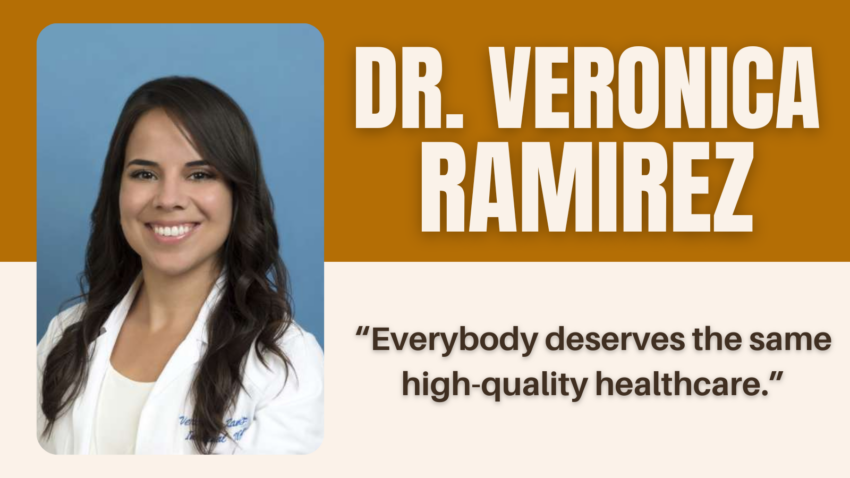
Dr. Veronica Ramirez is the first physician in her family. The youngest of four children, Ramirez grew up in Escondido, California, with an interest in service. She watched her parents generously help others and give back to the community. So, when Ramirez’s aunt, who she was very close to, was diagnosed with inflammatory breast cancer in her late 30s, Ramirez was motivated to take her service orientation to a new level – medical school – to help those like her aunt. “Seeing her go through that experience inspired me to want to go into medicine to help others,” Ramirez said. Ramirez has done more than achieve her goal. As an assistant clinical professor at the David Geffen School of Medicine at UCLA, a hospitalist with UCLA Health, and a fellow ...
Childhood is a critical period for the development of eating behaviors and habits that last into adulthood. These habits play a vital role in growth, development, and the prevention of obesity and other lifelong, diet-related chronic diseases. Children who live in food deserts and lack access to nutritional food, such as many Latinos, may struggle more with maintaining a healthy weight and developing healthy eating patterns. That’s where Healthy Eating Research (HER) resources can help.
One Stop Shop for All Your Healthy Eating Habits
HER has produced evidence-based recommendations and best practices for promoting healthy eating behaviors in children ages 2 to 8. This site has excellent resources for Spanish-speaking parents, who may lack access to nutritional guidance due ...
You can comment now on the USDA’s new proposed revisions to the Special Supplemental Nutrition Program for Women, Infants, and Children (WIC) food packages that aim to improve nutrition and promote and support breastfeeding. Proposed changes, based on scientific recommendations from a 2017 report from the National Academies of Sciences, Engineering, and Medicine, include: Enhanced buying power for fruits, vegetables.
Increased foods consumed less in adequacy, amount.
More options for cultural eating patterns.
Ability to get the quantity of formula to support any level of breastfeeding.
Requiring all breakfast cereals to meet the whole grain-rich standards that already apply to school nutrition programs and the Child and Adult Care Food Program. USDA is seeking ...
Next year in New Orleans, kids won’t be able to order a Coke off the kids menu in restaurants. On Jan. 6, the New Orleans City Council unanimously passed an ordinance that will require restaurants to serve water, milk, or fruit juice with kids meals, according to New Orleans Public Radio. While the ordinance faced some pushback from the soft drink beverage industry, supporters believe this new rule will make a difference in preventing childhood obesity.
What Does the Ordinance Say about Soft Drinks on Kids Menus?
The city health department pitched the ordinance to remove soft drinks and make healthier options as the default beverages on kids menus. New Orleans City Councilmember Cyndi Nguyen put it to a vote. “This is really about helping our young people to stay ...
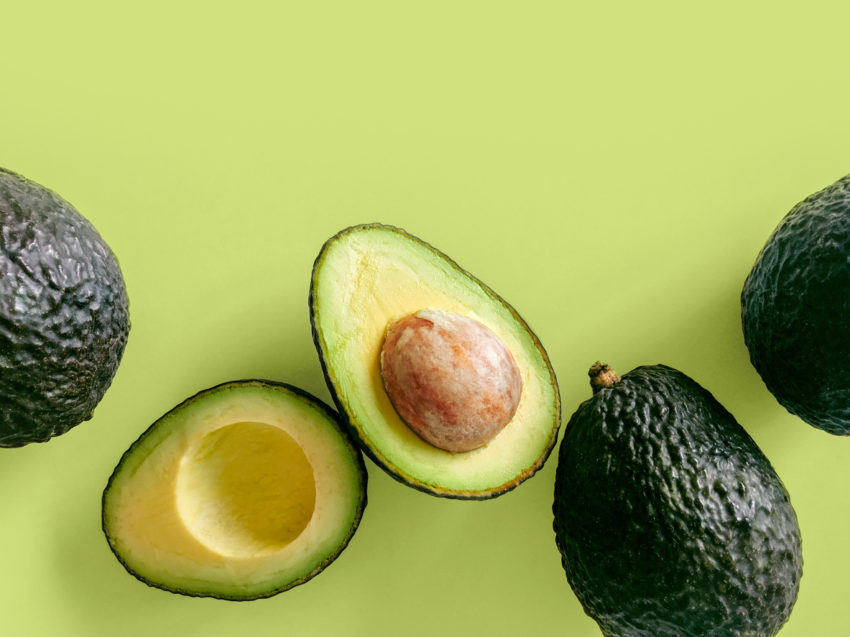
Avocados are a key part of a nutritious diet for Latino families, according to new research from the University of California San Diego School of Medicine and the Herbert Wertheim School of Public Health and Human Longevity Science. Researchers compared Latinos families who consumed a few avocados (three per week) and families who consumed a lot of avocados (14 per week) along with a standard nutrition intervention over six months. Latino families who ate more avocados reported consuming fewer calories, saturated fats, and sodium, which are major contributors to obesity among Latinos. They also had healthier hearts in terms of structure and function “Recent trials have focused on individuals, primarily adults, and limited to changes in cardiometabolic disease blood markers. ...