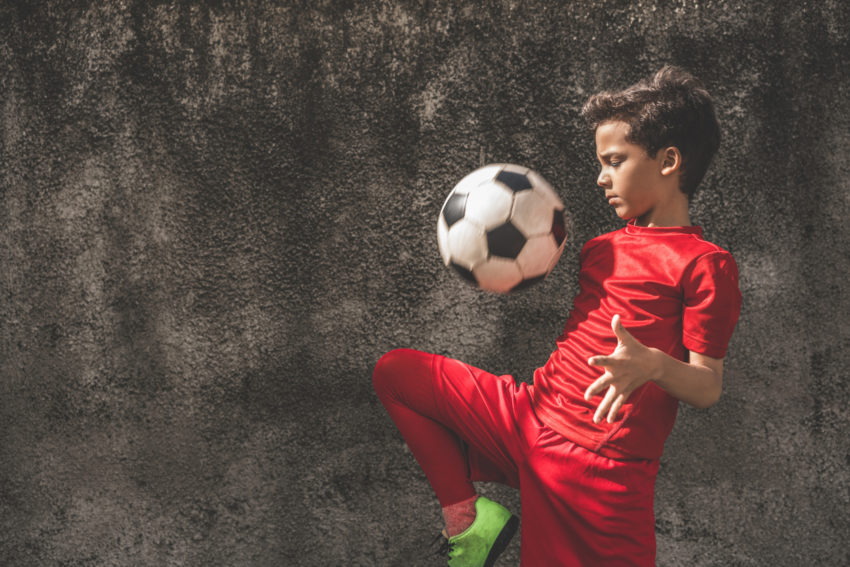
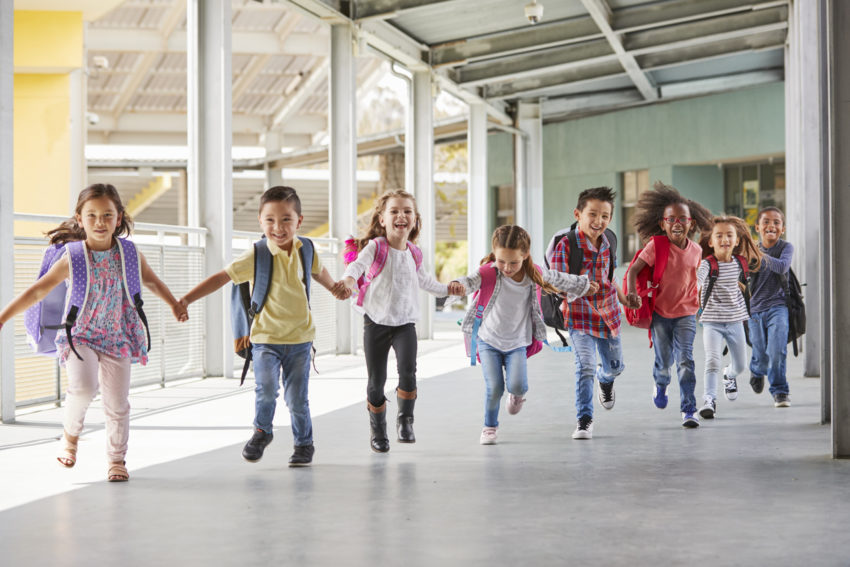
What's the best way for kids to meet physical activity guidelines? Running? Jumping? Sports? Active video games? A new list, the Youth Compendium of Physical Activities, is now out in Spanish and English to shed light on 196 youth physical activities and the estimated energy expenditure for each. This exploration of youth activity—from running to soccer to cycling to Wii Sports—offers parents, teachers, coaches, healthcare workers, and researchers better insight into which physical activities contribute to a healthier lifestyle, thanks to the National Collaborative on Childhood Obesity Research (NCCOR). "It can be used by a wide variety of people—from researchers and health care professionals to teachers, coaches, and fitness professionals—and in a variety of ...
Food deserts cause countless American families to struggle with access to nutritious, healthy meals. While this issue is pervasive, government agencies are trying to make progress in this issue with novel approaches — using the ever-growing technological landscape. In 2014, the Farm Bill passed by congress introduced an Online Purchase Pilot (OPP) that gave beneficiaries an option to use SNAP to purchase groceries online for delivery. A recent study out of Yale University found this program has the potential to help those families who live in areas that lack access to fresh foods and produce. "For individuals using SNAP, there's been a lot of bad rap about the quality of food that they purchase, and there's not been a lot of focus on trying to support individuals getting ...
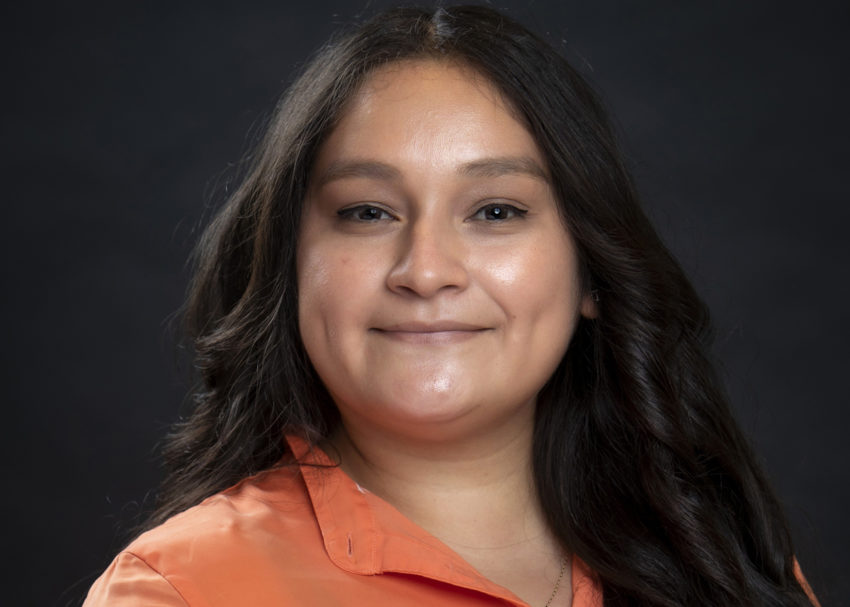
Raised by a strong, single mom, Lucero Silva is a first-generation Mexican-American student who is dedicated to pushing for better health for Latinas. Silva, a candidate in the public health program that focuses on community health education at California State University, Long Beach, has already begun investigating why women fare worse for so many health issues. She interned at the Center for Latino Community Health, Evaluation, and Leadership Training. She focused on health promotion through health education and community based participatory research. Now Silva is a graduate research assistant for Familias Saludables, a childhood obesity prevention research that focuses on Latinx youth and their families. To further her experience and education, Silva applied for the Éxito! ...
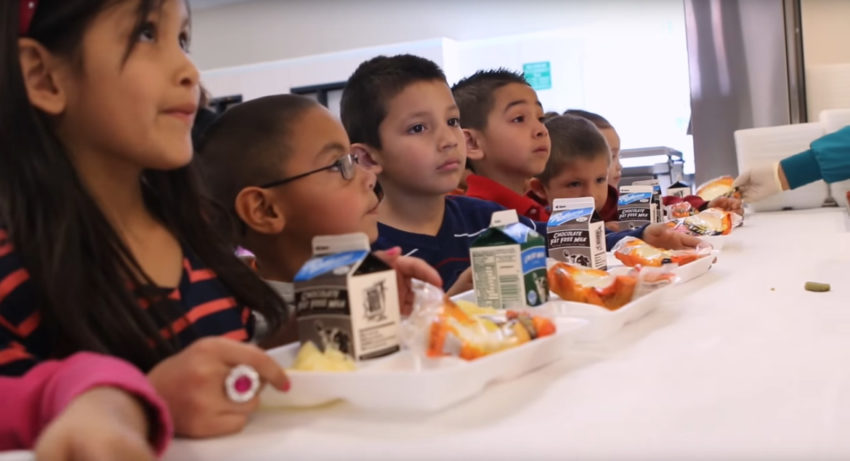
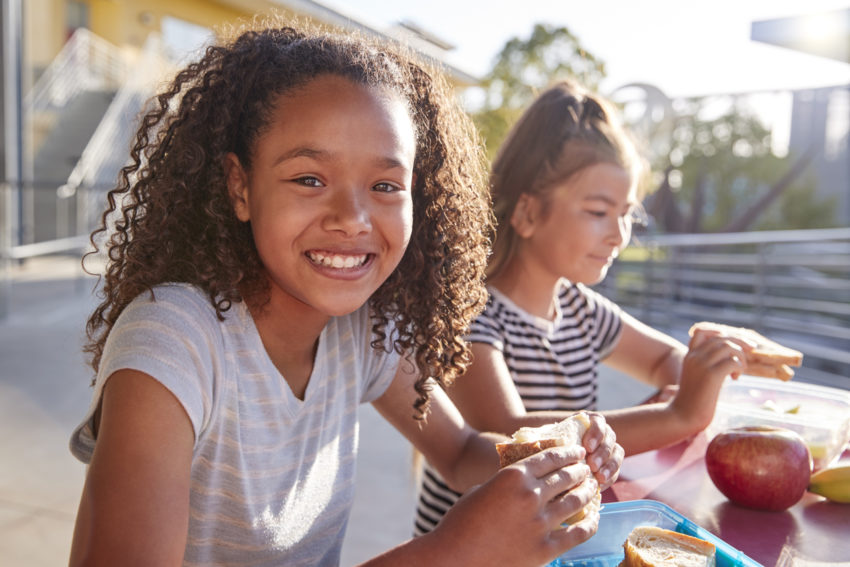
School food nutrition is at risk again. The USDA, which relaxed school nutrition standards in 2018, is proposing two rule changes it says will give schools and summer programs more flexibility to meet student meal preferences and reduce food waste. But health experts warn this will roll back progress on school food nutrition. Schools could, for instance, cut breakfast fruit by a half-cup. Fries and burgers could be served a la carte. Pasta could count as a vegetable. This is a longer-term health threat than the coronavirus pandemic, according to Healthy Eating Research. "This would create a huge loophole in school nutrition guidelines, paving the way for children to choose pizza, burgers, French fries, and other foods high in calories, saturated fat or sodium in place of ...
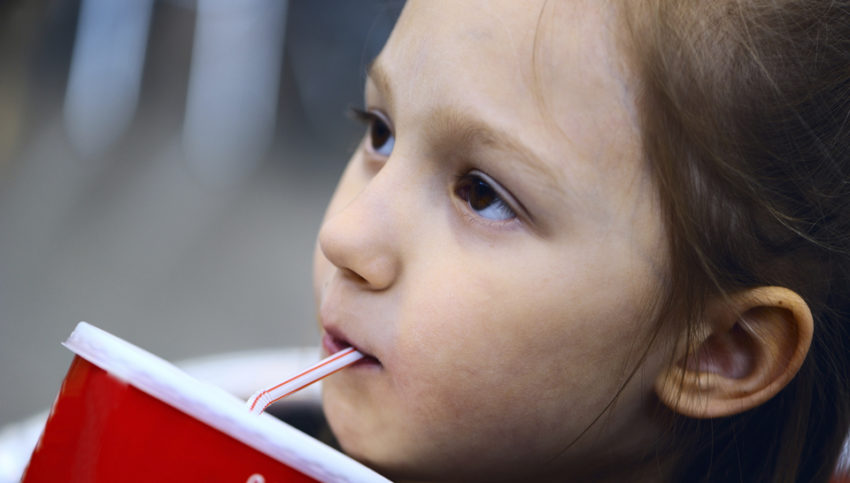
How bad is sugary soda for your kid? In New York City (29% Latino), an 8-year-old would need to walk 70 minutes from City Hall to Times Square to burn off the 9 teaspoons of sugar in a kid's meal soda. That's why city leaders are making water, milk, and 100% juice the “default beverages” on kid’s menus, thanks to a new law to reduce childhood obesity in an area where 1 in 4 toddlers and preschoolers have at least one sugary drink a day. New York's City's law goes into effect May 1, 2020. “Sugary beverages contain no nutrients that children need, and they are disproportionally marketed to children in low income neighborhoods and communities of color,” said Dr. Judith A. Salerno of the New York Academy of Medicine, in a statement. “We believe that every child should ...
All kids deserve to live in conditions that are safe a conducive to good health, yet many Latino children live in communities with poor access to healthy food and green space, attend schools that lack opportunities for physical activity, and suffer from adverse childhood experiences (ACEs), which may put them at risk for a number of health conditions, including having an unhealthy weight. Currently, at least 1 in 5 U.S. children are classified as obese. Among Latino and African American rates of children at an unhealthy weight are even higher. September is national childhood obesity prevention month, let's chat solutions and work to create a healthier future for our children. WHAT: #SaludTues Tweetchat: "Promoting a Healthy Weight For All Kids"
TIME/DATE: 1-2 p.m. ET (Noon-1 ...
Latinos on the U.S.-Mexico border struggle with debilitating illnesses for years, but often lack proper healthcare because of socioeconomic, accessibility, or other inequalities. Dr. Amelie Ramirez grew up seeing these disparities in South Texas. She was driving to pursue a public health education and tirelessly toil to establish projects that assist the underprivileged. Perhaps Ramirez’s most innovative project, Salud America! has worked since 2007 to create a wide-reaching library of resources and actions, which greatly impact the personal and public health mindset of advocates, schools, and policymakers. Salud America! content is vital to advance the well-being of Latinos, Ramirez said. “The health inequities Latinos face was then, and continues to be, something to ...
Childhood obesity is getting worse over time, especially for Latinos. Researchers in Texas (39.4% Latino) recently released a data explorer that illustrates trends in body mass index of school-aged children in their state (52% Latino). It also reveals underlying factors in obesity, such as dietary behaviors and physical activity. The information showed many disparities, especially in the Latino community — numbers that could call for statewide, national conversation and legislation concerning childhood obesity.
Need for Obesity Reduction
U.S. Latino children have the highest rates of childhood obesity (25.8%), as compared to their black (22%) and white (14.1%) peers. In Texas, 27.3% of Latino 8th graders have obesity compared to 16% of their white peers. Obesity is ...
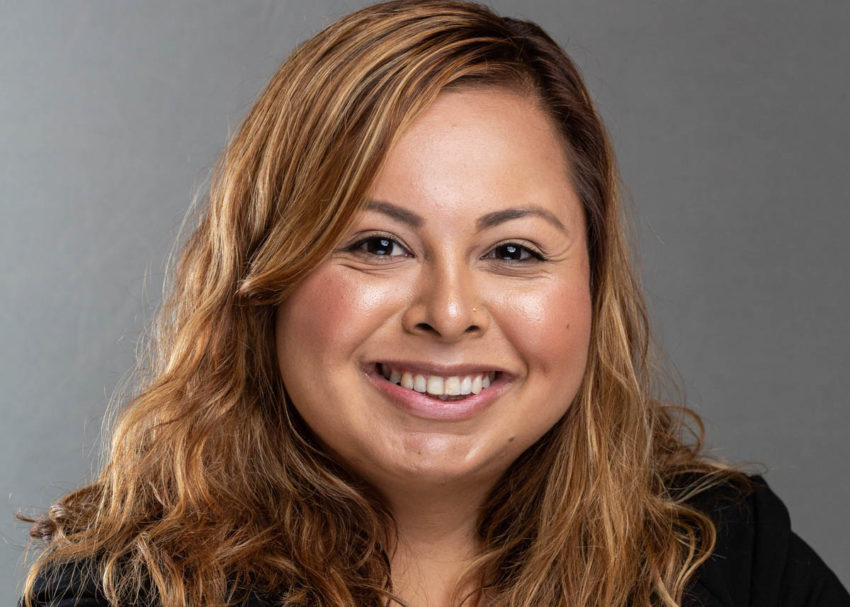
Like the beautiful photo of Erika Bonilla’s tia and father that serve as a reminder of her El Salvadorean roots, Bonilla is on a mission to see Latino families thrive. Bonilla holds bachelor’s degree in Spanish and a master’s of public health degree from California State University, Long Beach. Bonilla is a Research Associate at the CSULB Center for Latino Community Health, Evaluation, and Leadership Training. Her research focus includes: maternal and child health, adolescent health, women’s health, cervical cancer, HIV/AIDS prevention, childhood obesity prevention, community-based participatory research, education, and mentoring undergraduate and graduate students of multiple disciplines in health science and human services majors. Having already gained valuable ...