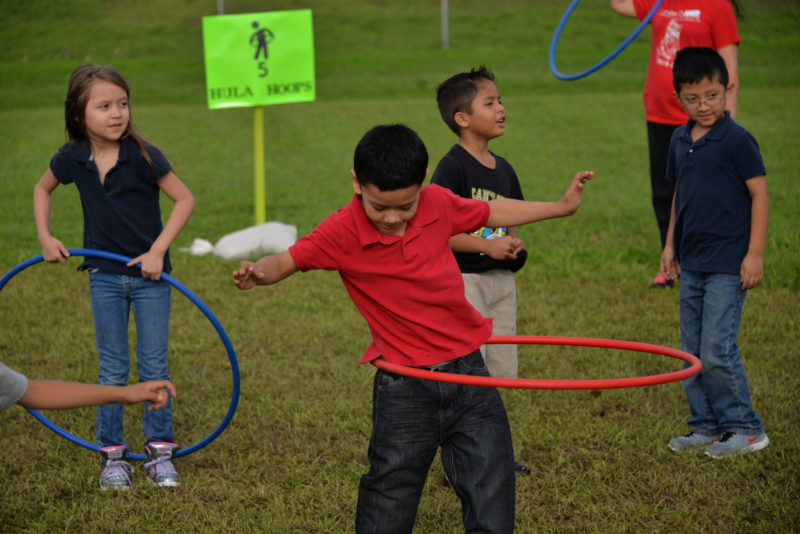
Physical activity is linked with academic achievement and improved mental and physical health. Sadly, many Latino majority schools do not provide recommended time for recess or quality PE, thus kids fall behind and are at higher risk for chronic disease. On April 20th, 2017, the Governor of Washington (12.4% Latino) signed a new bill (HB 1235) which assesses PE practices in public schools. Effective July, 23, 2017, the bill requires all schools to conduct an annual review of their PE programs, to include: number of students completing PE per year
number of minutes per week of PE
number of students granted waivers from PE requirements
instructors with valid health and fitness endorsements The results of the review will be shared with the school district's ...
Food and physical activity are both continuous and cumulative habits. Small changes every day can drastically improve your health and quality of life. However, the built world, whether intentional or not, influences the human experience. Many people live and work in places that impede or reduce physical activity and sell or promote unhealthy food. The National Collaborative on Childhood Obesity Research (NCCOR) brings together four of the nation’s leading research funders—the Centers for Disease Control and Prevention (CDC), the National Institutes of Health (NIH), the Robert Wood Johnson Foundation (RWJF), and the U.S. Department of Agriculture (USDA)—to accelerate progress in reducing childhood obesity in America. Their new white paper builds on a series of behavioral ...
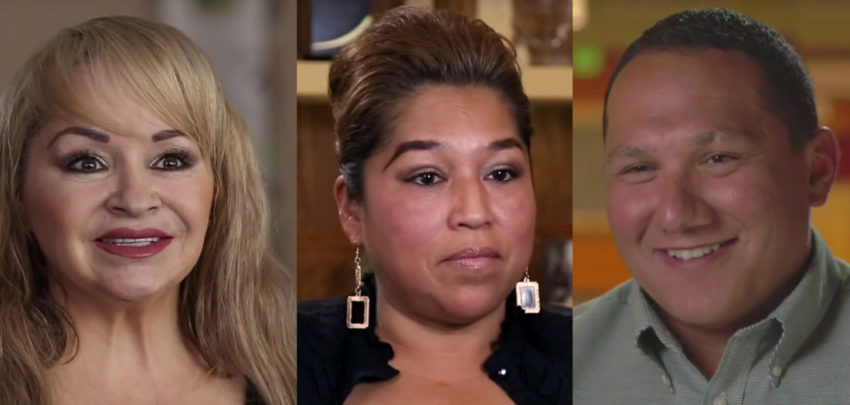
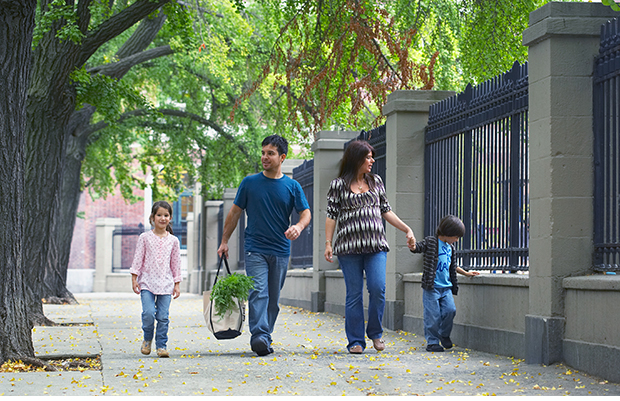
Kids need places to play to be healthy. Physical activity is proven to help control weight, reduce risk of disease, strengthen muscles, and improve mental health. But Latino families are more likely than white families to live in neighborhoods with no recreational facilities, or unsafe ones. This is according to recent research cited by Salud America!, a national Latino childhood obesity prevention network at UT Health San Antonio and supported by the Robert Wood Johnson Foundation. That’s why we at SaludToday are spotlighting heroes who are creating play opportunities for Latino families!
Irma Rivera: First Park in the 92701 Irma Rivera saw a child nearly hit by a car while playing in an empty parking lot in park-poor Santa Ana, Calif (78% Latino). She vowed to do fix ...
More Latino youths are not in school and not working than white youths, according to a new report. These youth—also called "disconnected"—face hurdles as they become adults where they live. This includes lower rates of education, and higher rates of child poverty, unemployment, and teen births. 1 in 8 U.S. youths ages 16-24 are "disconnected." Disconnection, a new measure in the new 2017 County Health Rankings, creates health and economic issues. "Youth disconnected from opportunity—meaning the chance to advance in school, gain work experience, form relationships, and build social supports in the community—represent untapped potential to strengthen the social and economic vibrancy of our communities," according to the report.
How to Help
The County Health Rankings, ...
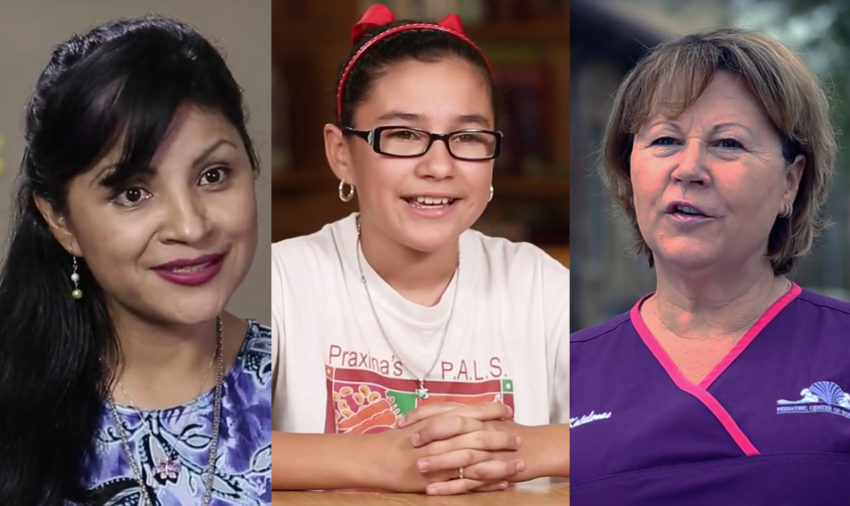
Water isn't magic, but it can help you stay hydrated, control calories, and fuel muscles. But Latino kids don't drink enough water. In fact, Latino kids drink less plain water and more sugary drinks than white kids. That is according to research by Salud America!, a national Latino childhood obesity prevention network at UT Health San Antonio. That’s why we are spotlighting heroes who work hard to push water for Latino kids and families!
Praxina Guerra: 5th-Grader Gets Hydration Station in School
San Antonio fifth-grader Praxina Guerra and her mentor, Cathy Lopez, are true Salud Heroes when it comes to creating a healthy school environment. Praxina, spurred on by Lopez, joined the city's San Antonio Student Ambassador program and created a student club to encourage ...
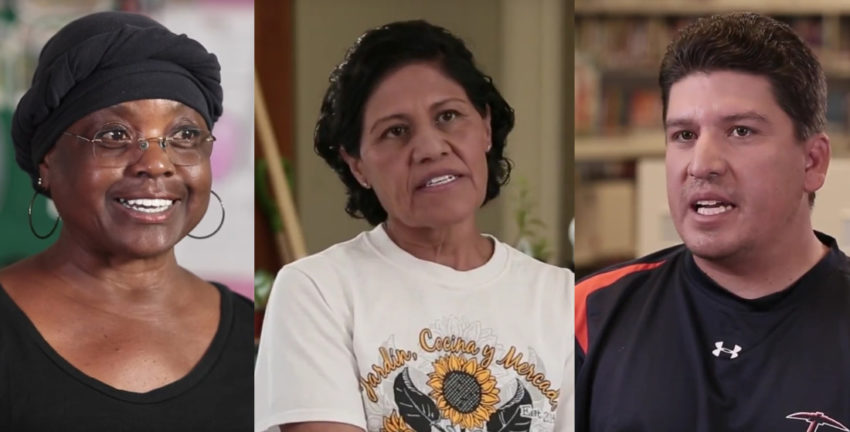
What makes a great teacher? Great teachers not only work hard to ensure the academic success and leadership skills of their students, they also help students develop healthy habits for life. That's why we at Salud America! are excited to spotlight some teachers who have gone above and beyond for the well-being of their students!
Ana Suffle: School Garden Maven
El Paso, Texas, shares its border with Mexico. This creates an interesting cultural dynamic where some students cross the border daily from Mexico to go to Bowie High School in El Paso. Ana Suffle, a 15-year teacher at Bowie, said many students eat cheap, addictive fast food instead of traditional Hispanic dishes filled with fresh veggies, spices and tons of flavor, according to a Salud Hero story by Salud ...
Latinos in certain Chicago neighborhoods face worse physical and mental health and more food insecurity than nationwide, according to a new report, the Chicago Sun-Times reports. For the report, the Sinai Community Health Survey 2.0, researchers from the Sinai Urban Health Institute surveyed 1,900 residents in nine ethnically diverse Chicago neighborhoods, including Gage Park (92% Latino), Humboldt Park (89%) and South Lawndale (84%). Chicago is 29% Latino overall. “The data paint a stark and complex picture of health and wellness in many Chicago communities, varied by race, income and ethnicity,” said Dr. Sharon Homan, president of the Sinai Urban Health Institute, told the Sun-Times. “To develop meaningful interventions to improve health, we must first understand the ...
It is a known fact that one of the most important social determinants of health is where you live. More and more local and state governments are realizing how important environment is to overall health and well-being. For Latinos, where they live is often leads to unavoidable health disparities due to lack of access to healthcare, healthy food choices, and educational opportunities. Recently U.S. News & World Report outlined the best and worst states to live in based on a host of categories that residents value the most. These categories include health care, education, infrastructure, crime rates, and economic opportunities. According to the new report, Massachusetts (10.56% Latino population) was rated number one overall. Not surprisingly, as Massachusetts is home to Harvard ...
The Salud America! national Latino childhood obesity prevention program has received a one-year, $1.5 million grant from the Robert Wood Johnson Foundation (RWJF) to empower people to work for policy changes to help Latino children grow up healthy. Salud America!, established in 2007 and based at UT Health San Antonio, has a national online network of 100,000 parents, health providers, and school and community leaders who support its mission: "Inspire people to drive community change for the health of Latino and all kids." The new funding will allow Salud America! to expand its network and engage members with enhanced educational content—multimedia role model stories, social media events, online resources, digital action campaigns, and marketing—geared toward healthy ...