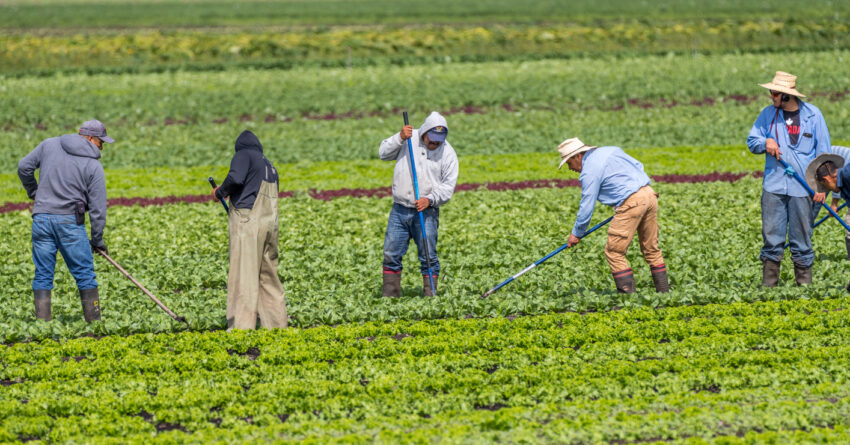
More than 50 million people in the US are under excessive heat warnings, and more than 25 major cities have tied or broken record-high temperatures this year, according to NPR. Heat waves are nothing new, but they are becoming increasingly more common and more severe because of climate change, which is a threat to public health, especially for Latinos. In fact, about 702 heat-related deaths occur each year due to heat stroke and related diseases. “Hot weather is associated with an increase in heat-related illnesses, including cardiovascular and respiratory complications, renal failure, electrolyte imbalance, kidney stones, negative impacts on fetal health, and preterm birth,” the Centers for Disease Control & Prevention (CDC) stated. “Specifically, death rates are noted ...
Latinos are expected to comprise well over 25% of the U.S. population by 2050. But they face health disparities in eye health, diabetes, obesity, cancer, and more, endangering the future health of the nation. Dr. Amelie G. Ramirez, director of Salud America! at UT Health San Antonio, will explore the causes of these disparities in a virtual presentation, "A New Vision for Reaching Latinos for Systemic and Behavioral Change," at 2:45 p.m. ET, July 14, 2022, at the 11th Annual Focus on Eye Health National Summit led by Prevent Blindness. The overall event, which is free, is set for July 13-14, 2022. "Our efforts must address structural inequities — from a lack of healthcare access to unaffordable housing to experiences of discrimination to a lack of diversity among health care ...
With roads designed to favor cars and the growing size of megacars – SUVs and passenger trucks – it’s no surprise traffic fatalities are on the rise among drivers, pedestrians, and bicyclists. This makes vehicle safety a high priority. But did you know that the U.S. vehicle safety rating system doesn’t consider people outside the vehicle? Now is your chance to tell the U.S. Department of Transportation’s (USDOT) National Traffic Highway Safety Administration (NHTSA) to modify their vehicle safety rating system. Submit the following Salud America! model comment to tell NHTSA you want a vehicle rating system that accurately reflects the dangers vehicles pose to pedestrians, bikers, and others outside the vehicle. Comments are due June 8, 2022. Update June 2023: ...
You may be wearing PPE on your face right now. A mask is a common form of PPE, or “personal protective equipment,” as are respirators, gowns, gloves and eye protection frequently worn by frontline healthcare workers. These all help protect the wearer – you! – from germs that can make people sick. But they have a second important function, too. “So, the unique thing about PPE in healthcare is that it actually serves two purposes, and both of those purposes are really important. One part is to protect you, but the other part is to protect your patient and coworkers from germs that you might be carrying,” said Dr. Abigail Carlson, an infectious diseases physician with the CDC, as part of CDC Project Firstline’s Inside Infection Control video series.
What is PPE and ...
Latinos represent less than 10% of volunteers in cancer clinical trials. The lack of Latinos in clinical trials makes it harder for researchers to find treatments tailored for this group — which makes up 18.5% of the U.S. population and a diversity of heritages. This is why Drs. Amelie G. Ramirez and Patricia Chalela of UT Health San Antonio identified barriers and strategies to boost Latino representation in clinical trials in a new commentary in JCO Oncology Practice. It will take more than simply raising awareness of clinical trials to everyone. "To achieve equitable participation of Latinos and other underrepresented groups in clinical research, we need comprehensive approaches that address social and contextual barriers to participation," said Ramirez, leader of the ...
Los latinos representan menos del 10% de los voluntarios en los estudios clínicos de cáncer (enlace en inglés). La falta de latinos en los estudios clínicos hace que sea más difícil para los investigadores encontrar tratamientos desarrollados específicamente para este grupo – que representa el 18.5% de la población de los Estados Unidos y una diversidad de culturas. Las doctoras Amelie G. Ramírez y Patricia Chalela de UT Health San Antonio identificaron barreras y estrategias para promover la representación latina en los estudios clínicos en un nuevo comentario (enlace en inglés) publicado en JCO Oncology Practice. Se necesitará más que simplemente aumentar el conocimiento sobre los estudios clínicos. "Para lograr la participación equitativa de los latinos y ...
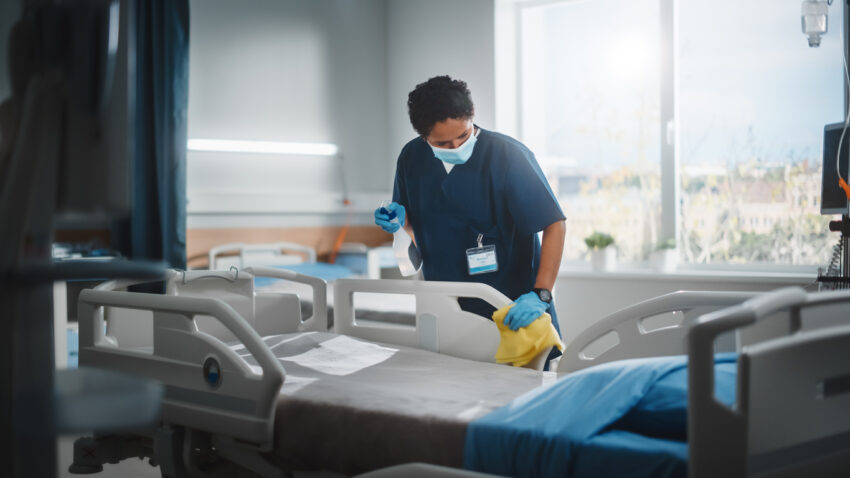
We know germs can cause illnesses. We also know that frontline healthcare workers can take action to protect themselves, their colleagues, and their patients from infectious disease threats. Cleaning and disinfecting are two of these important actions for infection control. A fundamental part of this process is “contact time.” This is the amount of time a disinfectant must sit on a surface, without being wiped away or disturbed. Contact time allows the disinfectant to do its job: Killing germs. “There are a lot of germs in healthcare. That's no surprise to any of us,” said Dr. Abigail Carlson, an infectious diseases physician with the U.S. Centers for Disease Control and Prevention (CDC), as part of CDC Project Firstline’s Inside Infection Control video ...
March is Colorectal Cancer Awareness Month. This cancer can affect anyone, but older Latinos may be particularly at risk. Know the facts about colorectal cancer, tips for screening and preventions, and how we can help researchers studying cancer.
What Should I Know About Colorectal Cancer?
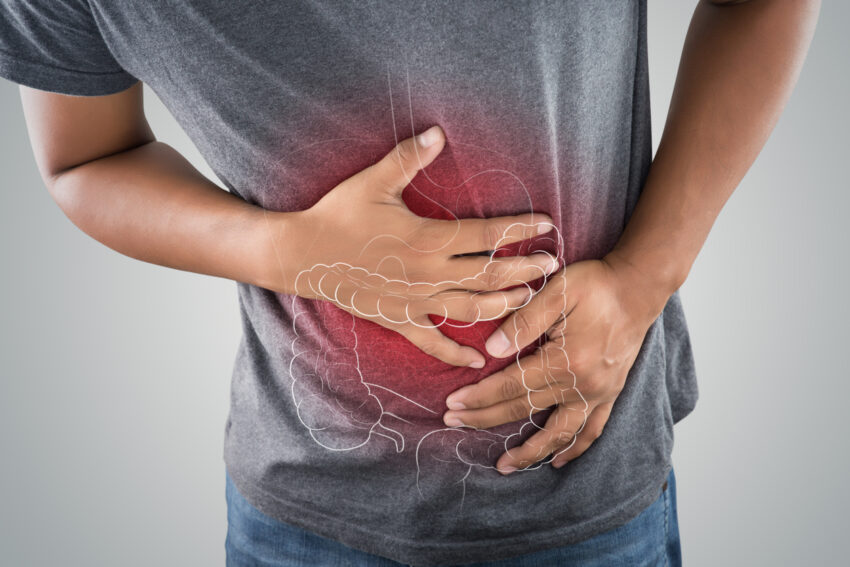
Colorectal cancer is the disease of the colon and/or rectum. “Most cases of colorectal cancer occur in people ages 45 and older, but the disease is increasingly affecting younger people. Each year, about 150,000 Americans are diagnosed with this disease and more than 50,000 die,” according to the Colorectal Cancer Alliance. Many people in the early stages of colorectal cancer do not experience symptoms. However, symptoms might develop later on in the disease. Mayo Clinic lists ...
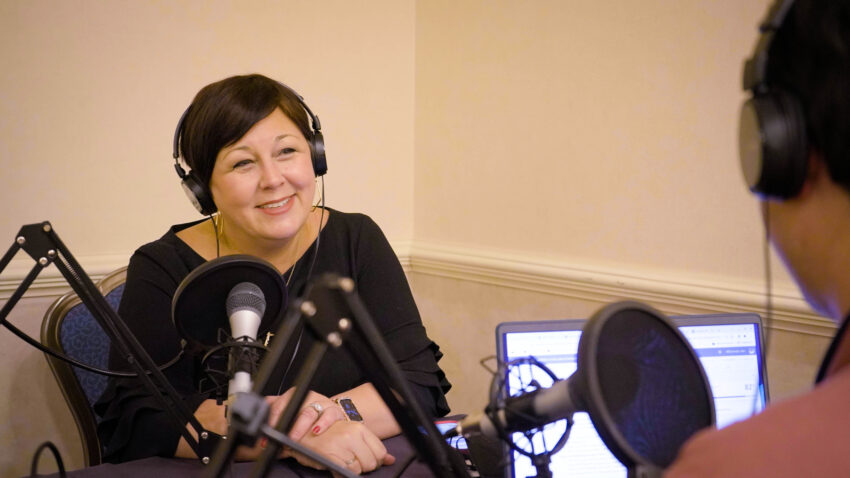
Most of us know what rehabilitation is. It is care that can help you get back to normal or improve skills after a disease or injury. Unfortunately, rehab only takes place retroactively—after there is an issue. Prehabilitation, however, focuses on health before there is a problem. Loriana Hernandez-Aldama, an Emmy award-winning journalist, author, and cancer survivor, calls prehabilitation the mental and physical preparation a person can take to achieve good health, from stress reduction to healthier eating. Loriana Hernandez-Aldama joins the Salud Talks Podcast, Episode 39, to talk about the great need for prehabilitation to help Latinos stay healthy and ready to deal with disease. LISTEN! WHAT: A #SaludTalks Podcast discussion about prehabilitation ...