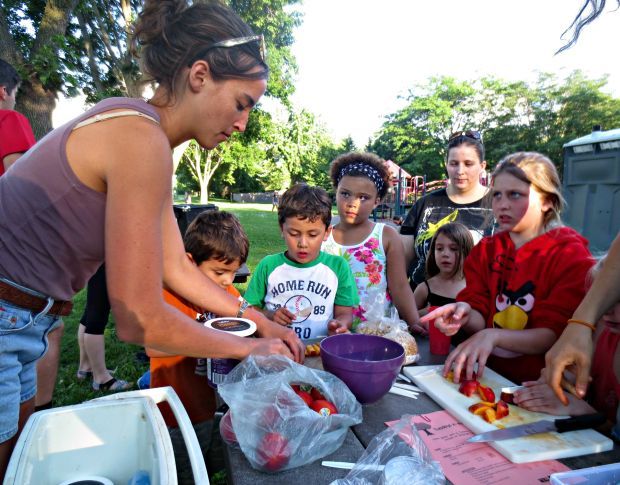
Having healthy eating habits from early ages is important to setting up a healthier future. According to a recent study article, one in five children in the U.S. entering elementary school is overweight, but new research has revealed that the USDA's Special Supplemental Nutrition Program for Women, Infants, and Children (WIC) program has improved roughly four million children's' diet quality. Researchers funded by the National Institute of Health looked at how diets changed with new WIC food packaging, discovering that children in WIC households had eaten some vegetables while only one in five children, not receiving WIC, had any vegetables. Studies also show Latino kids often face less access to healthy foods in their schools and neighborhoods, resulting in poorer ...
When communities consider projects to reduce crime, promoting green space is gaining popularity. And credibility. There is evidence that vacant lots play a role in the health and safety of nearby residents. Although the specific mechanism by which green space-trees, shrubs, and lawns-affects behavior is unclear, adding green space to vacant or blighted areas is linked to reduced crime. It may be through the "broken windows" theory, the "cues to care" theory or through informal surveillance of having more "eyes on the street," a concept developed by Jane Jacobs. In 2010 the city of Youngstown, Ohio (9.3% Latino) launched a program to transform vacant areas, which was about 31% of the city's land area. Contractors were hired to transform some vacant lots through mowing and ...
AllTransit represents the largest source of user-friendly transit connectivity, access, and frequency data in America, using publicly available General Transit Feed Specification (GTFS) data and new data created by Center for Neighborhood Technology (CNT) and with funding from TransitCenter.
AllTransit analyzes the social benefits of good transit service through the lenses of health, equity, and economic development.
Users can rely on these tools to increase their understanding of the value of quality transit to improve transit and create sustainable and equitable communities.
When families in disadvantaged neighborhoods have access to transit and jobs, they have greater choices between housing units and employment opportunities, and alternative transportation options connecting ...
LOCUS and the Center for Real Estate and Urban Analysis at the George Washington University School of Business released Foot Traffic Ahead 2016, a report ranking the country's 30 largest metropolitan areas focusing on walkable urban places (WalkUPs). LOCUS is Latin for "place." Place is important. According to the report, places with the highest levels of walkable urbanism are also the most educated, wealthy, and socially equitable. The new report will include three different rankings for all 30 metro areas: current walkability, development momentum, and social equity. In addition to market-driven development trends, current walkability, development momentum, and social equity of urban places are relevant indicators when considering population health because they ...
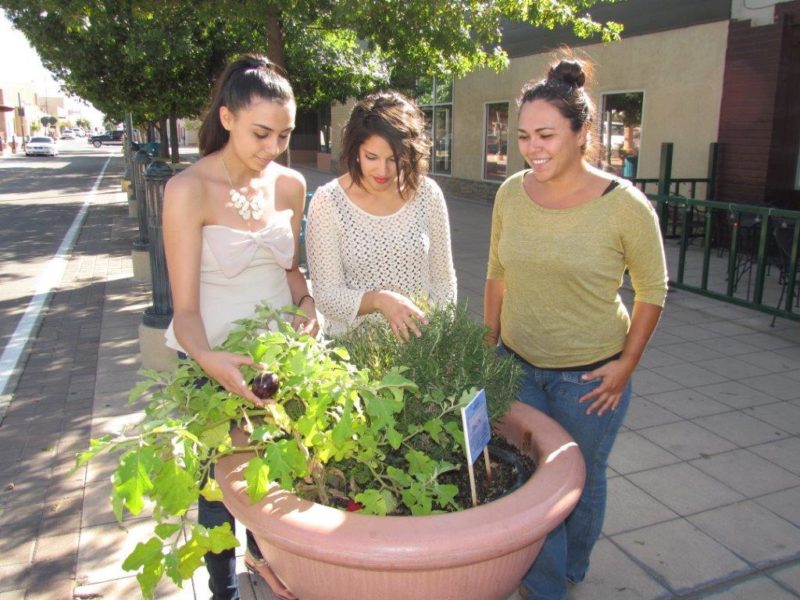
After council discussions, the first policy of it's kind in Las Cruces, New Mexico, passed on June 6th, 2016, by the city council for urban agriculture (UA). The new Urban Agriculture and Food Policy plan, developed by La Semilla Food Center, will help the 16.8% food insecure community to have more access to healthier foods through food distribution in towns, cities schools and communities. How? The plan includes three goals including supporting healthy and food-secure communities, having stronger and more vibrant local food economies and supporting healthier ecosystems, and smart environmental stewardship resources. Driven by the community, the plan was prepared by the Urban Ag working group of the Mesilla Valley Food Policy Council (MVFPC). The MVFPC created in 2012 was ...
In 2013, Roger Bennett of Men in Blazers and Greg Kaplan, a University of Chicago economics professor, looked at the effects of the pay-to-play system on American soccer by looking at socio-economic data of pro basketball, football, and soccer players from 1993 to 2013. They found the soccer players came from communities that had higher incomes, education, and employment rankings than basketball and football players, and soccer players were whiter than the US average. Doug Andreassen, the chairman of US Soccer’s diversity task force, says the pay-to-play system in suburban neighborhoods works against poor minority kids because it is so costly. Additionally, the over-coaching style in these wealthier leagues often crushes the creativity of players who learned to play in the ...
New research centers in Harvard and John Hopkins and USC will work to address research in hopes to improve health in communities overburdened by pollution and environmental factors. The Maternal and Developmental Risks from Environmental and Social Stressors Center (MADRES) will recruit and research 750 mother -infant pairs from low-income urban hospitals in the Los Angeles area over three years to determine how environmental factors impact child weight, and how psychological stress and behavior risk factors impact the mother's weight gain before and after pregnancy. Pollution was been shown to be a key factor in pregnant rats gaining weight within a recent study. Latino's are often faced with higher risks for obesity, explained Keck School of Medicine professor, Carrie Breton, ...
Working together to discuss actions to reduce obesity in children and adolescents, the Pan American Health Organization/World Health Organization (PAHO/WHO) hosted a roundtable discussion with government representatives, nongovernmental organizations and private sector groups. The discussion focused on the Plan of Action for the Prevention of Obesity in Children and Adolescents, drawing on actions to help healthier options become the easier options. A few key points discussed were taxes on sugary beverages and junk foods, protecting children from unhealthy marketing, and food labeling, along with policy and programs for healthier foods and water access for schools and increased physical activity in schools. To see all groups and participants involved, click here. Copy & ...
College friends Tori Ostenso and Emily Pence met through volunteer opportunities while in school. They soon learned there was plenty of fresh produce in their neighborhoods, but immigrant families lacked access to these healthy options in Rice County, Minn. (8% Latino population). The two students wanted to help. They eventually started a mobile market and eventually began a weekly program to help Latino and other families have greater access to an affordable bag full of fresh local organic vegetables.
Abundant Fresh Produce, But Inequitable Access
Victoria (Tori) Ostenso became keenly aware of the bounty of healthy fresh produce grown in Northfield, Minn (8.4% Latino) while working at Carleton College’s two-acre organic vegetable farm in summer 2012 after her freshman year ...