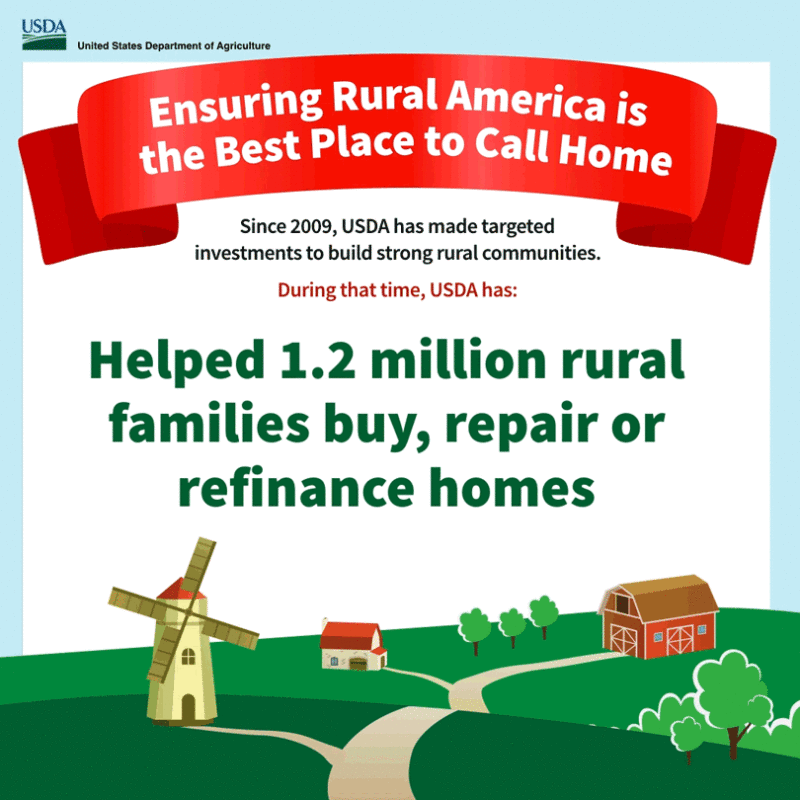
Financial stress has been linked to numerous negative health concerns. The stress felt from financial pressure can affect appetites and sleep patterns and greatly impact overall physical and mental well-being. One of the most pressing financial stressors people deal with stems from paying for housing. IN rural areas, the difficulties of finding affordable housing is often exacerbated. However, the U.S. Department of Agriculture (USDA) recently invested over $74 million to build and preserve affordable rural rental housing for families across the country. In order to reduce health disparities, it is critical to address inequities in programs, practices, and policies. Join our site, connect with others, and get involved. “[The] USDA's multi-family housing program has ...
Mammogram screening rates are lower in Latina than white women and lower in uninsured women than insured women. In order to prevent the social, emotional, and economic burdens of breast cancer among Latina and all women, as well as to prevent premature death, it is critical to reduce barriers to access mammogram screening, like free counseling and screening. The Community Breast Navigation Program (CBNP) embedded a community breast navigator in an adult medicine clinic in a federally qualified community health center in Hartford, Connecticut (17.4% Latino) and increased mammogram screening rates. Through a partnership between UConn and the Susan G. Komen of Southern New England, anyone who visited the clinic had the option to receive free breast cancer counseling and ...
Our nation is facing high rates of Latino childhood obesity, unsustainable dependence on carbon-based energy, and high unemployment. Beyond the known health and environmental benefits of sidewalks and bike lanes, what are the employment impacts of bicycle and pedestrian infrastructure? A 2011 study compares 58 projects from transportation and public works departments from 11 cities and found that bike projects create 46% more jobs than road projects without bike or pedestrian components. Projects included, road construction and rehabilitation, building new multi-use trails, and widening roads to include bikes lanes and sidewalks. According to this study by the Political Research Institute (PERI) at the University of Massachusetts, Amherst, the “road-only” projects ...
This is part of our Sugary Drinks & Latino Kids: A Research Review »
Sugary drink consumption is responsive to changes in pricing
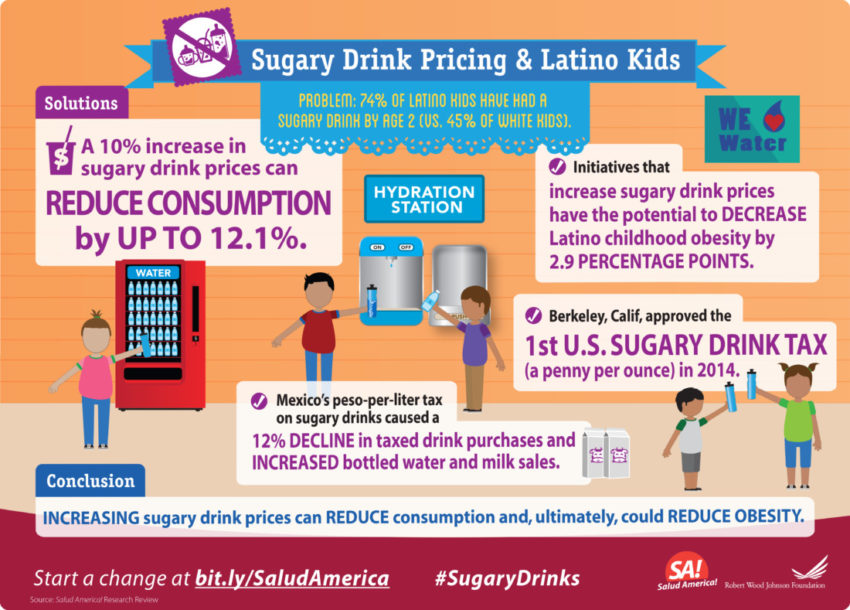
One recent systematic review concluded that a 10 percent increase in soft drink prices would lead to a 7.9 percent reduction in soft drink consumption.85 A second systematic review of studies published from January 2007 through March 2012 concluded that a 10 percent price increase for SSBs only would lead to an even larger—12.1 percent—reduction in SSB consumption, as some consumers would switch to diet, water and other lower-calorie options. Price increases on more narrowly defined categories of SSBs (e.g., regular carbonated soda) would lead to larger reductions in consumption in these categories.86 A recent randomized controlled trial ...
This is part of our Sugary Drinks & Latino Kids: A Research Review »
More sugary drinks is linked to higher body weight
Those who consume a greater amount of SSBs tend to have higher body weight than those who drink less.5 A recent systematic review and meta-analysis of 32 studies, including prospective cohort studies and randomized controlled trials, associated SSB intake with risk of weight gain in children and adults.22 Similarly, a meta-analysis of 88 studies found a clear association between soft drink consumption and weight.23 By contrast, a recent systematic review of papers focused on regular soda consumption among children and adolescents and published between 2004 and 2014 did not find an association between regular soda consumption and weight among all age ...
This is part of our Sugary Drinks & Latino Kids: A Research Review »
Sugary drink consumption among infants, toddlers
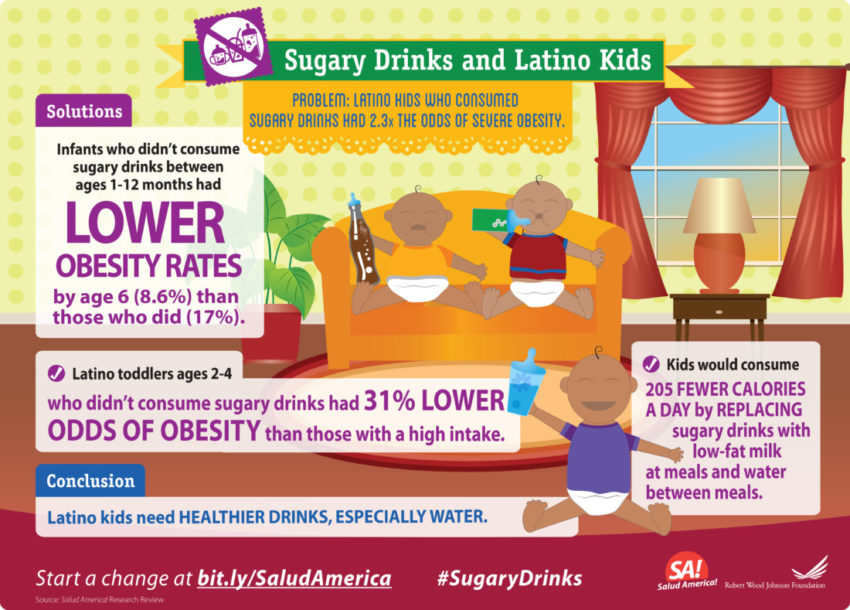
In the largest longitudinal study of infant feeding practices in the U.S., the Infant Feeding Practices Study II (IFPS II), prevalence of any SSB intake during infancy (between ages 1-12 months) was 25.9 percent in 2005-2007.5 Research from the 2008 Feeding Infants and Toddlers Study (FITS), a cross-sectional survey describing infant feeding practices, nutrient intake, and food consumption patterns of U.S. infants and young children, showed that: 0.6 percent of infants ages 4-5.9 months
5 percent of infants 6-8.9 months
and 10.7 percent of infants 9-11.9 months consumed SSBs at least once in a day.6 Prevalence of SSB consumption in a given day ...
This is part of our Sugary Drinks & Latino Kids: A Research Review »
Introduction
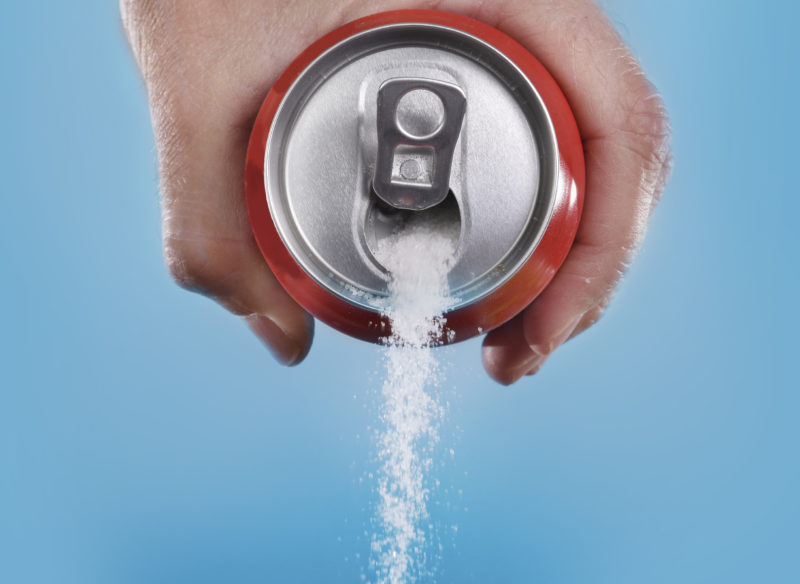
Americans obtain over 40 percent of their total sugar in the form of sugar-sweetened beverages (SSBs), including soda, sports and energy drinks, and fruit drinks that contain less than 100 percent juice. Young Americans—including young Latinos—drink far more of these beverages than they did a few decades ago.1 Further, as young Americans’ consumption of soda, fruit drinks, and other SSBs has increased, their consumption of white, unsweetened milk has decreased at the same time.2 Cross sectional studies have shown that children’s milk intakes are inversely associated with intakes of SSBs, including juice drinks and soda, as early as 2 years of age.3,4 This trend is particularly ...
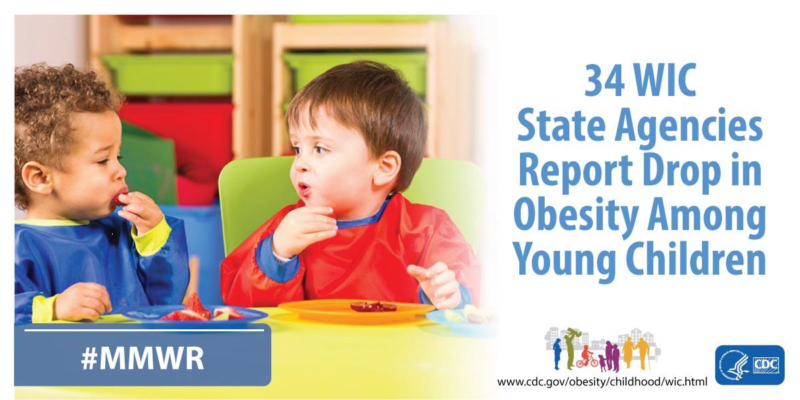
Childhood obesity is one of the leading health concerns plaguing the Latino community. New research shows from several federal agencies show that obesity among toddlers from low-income families is declining. New research from several federal agencies, the American Academy of Pediatrics (AAP) reports. However, despite the decline, the prevalence of obesity for low-income toddlers is 14.5%. This number far exceeds the national average. “Continued initiatives to work with parents and other stakeholders to promote healthy pregnancies, breastfeeding, quality nutrition, and physical activity for young children in multiple settings are needed to ensure healthy child development,” according to the authors from the Centers for Disease Control and Prevention (CDC) and the U.S. Department ...
Thirty-four of 56 WIC State Agencies reported modest decreases in obesity among young children from 2010 to 2014; however, Hispanic children still had higher rates of obesity than their peers, according to the study published in the Morbidity and Mortality Weekly Report, The CDC worked in collaboration with the United States Department of Agriculture (USDA) to monitor obesity among toddlers aged 2-4 from low-income families using data from the Special Supplemental Nutrition Program for Woman, Infants, and Children (WIC) Participants and Characteristics. These decreases in obesity rates are likely due to obesity prevention efforts at the community, state, and national levels, such as the USDA redesign of WIC food packages to meet the special nutritional needs of low-income ...