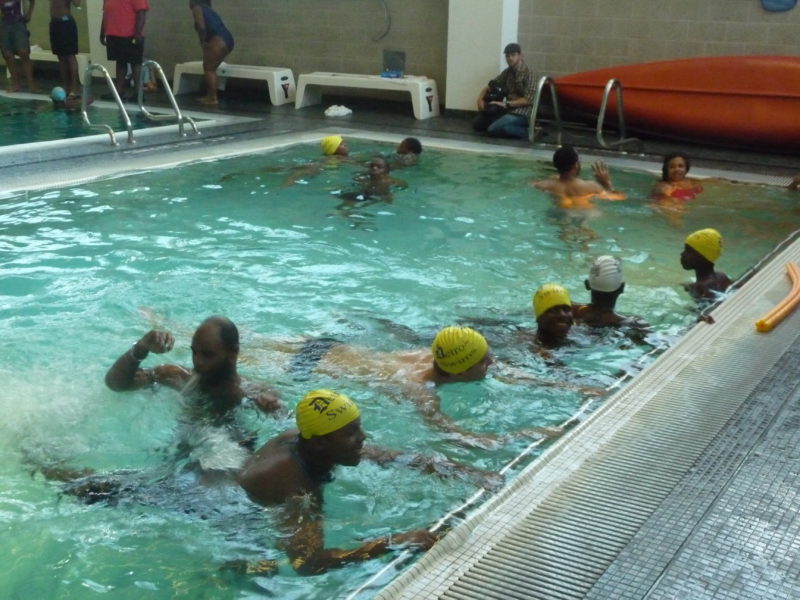
Since 2010, Detroit Swims has taught more than 5800 kids how to swim and aims to teach all kids in the Metro Detroit. Swimming is excellent for mental and physical health, as well as academic achievement, but of f the 120,000 children in the city, it’s estimated 100,000 of them can’t swim, according to one source. Detroit Swims is a nonprofit started by lifeguards in 2010 at the Boll Family YMCA to reduce disparities in swim ability. The lifeguards contributed $2000 out of their paycheck to teach the first 35 kids how to swim. Latino kids across the country often lack access to pools and swimming lessons, thus face higher rates of drowning and obesity related chronic disease compared to white kids. Detroit Swims has expanded to over six locations, and works with local ...
A brain aneurysm changed the life of María Emilce López forever—for the better. While a grad student at the University of Minnesota in the 1990s, the Argentine native’s severe headaches led her to be rushed into surgery to treat what turned out to be a brain aneurysm. This was her first, very scary brush with the American medical system. After her ordeal, she decided it was time to help others who might be in a similar position. López, now a senior teaching specialist at the University of Minnesota, helped create new medical Spanish classes that not only teach cultural competency, but also had a unique requirement of students. Update 6/19/20: López passed away in June 2020. Our thoughts and prayers are with her family.
Navigating a health crisis María Emilce ...
Across the country, Latinos suffer vast differences in health conditions than whites. These health disparities manifest themselves in several ways. These inequities are rooted in social disadvantage and affect educational attainment, income and personal wealth, housing, and mental and physical health. Chicago (29.09% Latino population), the third largest city in the U.S., has an unfortunately long history with racial inequities. A new report by the University of Illinois at Chicago sheds light on the current state of these inequities. The report, entitled “A Tale of Three Cities: The State of Racial Justice in Chicago,” tells about the “divergent conditions” of blacks, Latinos, and whites in terms of housing, economics, education, justice, and health. “On virtually ...
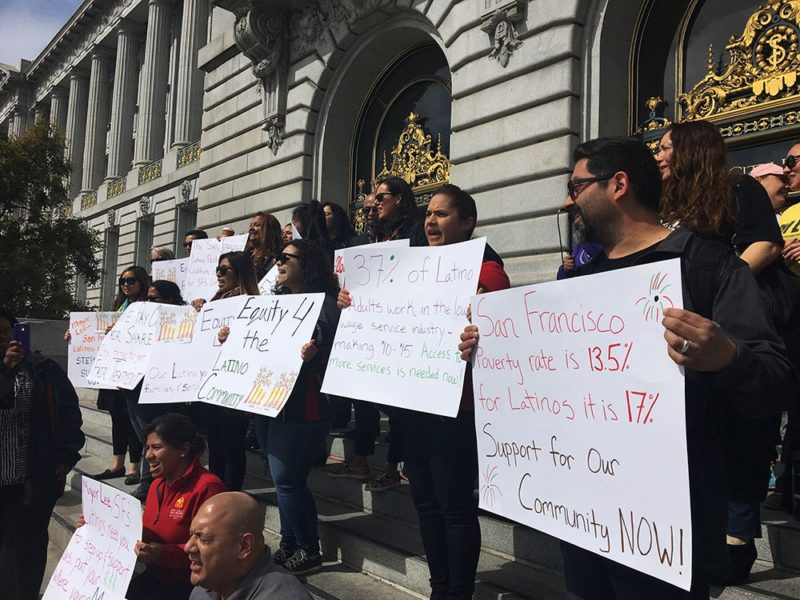
The city of San Francisco (15.1% Latino population) has long been a hub for the Latino community. However, as the city by the bay has grown in importance as one of the centers of the U.S. tech industry, many long-time Latino residents are struggling to keep up with the cost of living there. A new organization has been formed to help serve the low-income Latino communities in the area connect to community resources. The San Francisco Latino Parity and Equity Coalition conducted a study of heavily Latino-populated neighborhoods in the city (including the Mission, Bayview, Tenderloin, and Visitacion Valley areas). The coalition, which is made up of over a dozen groups, including the Central American Resource Center (CARECEN), Jamestown Community Center, the Mission Language and ...
"When it comes to predicting how long you will live, your ZIP Code is more important than your genetic code," George Takei narrates in A Tale of Two Zip Codes, an animated short film by the California Endowment's 10-year Building Healthy Communities initiative. Where you live determines your opportunities, thus your health and life expectancy. Consider not having healthy food options, clean air, safe sidewalks, nearby parks, quality schools, public transportation and preventive health care. The root causes of inequity in access to opportunities are due to racial and economic discrimination. Struggling so much to find healthy options can be an overwhelming source of chronic stress, which is a serious health risk in itself. If we are all going to be healthier, we need to look at ...
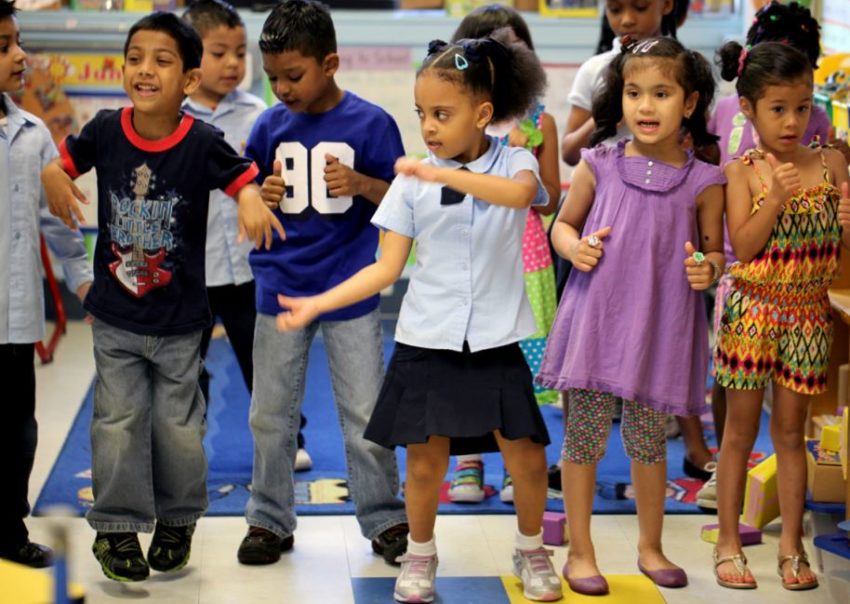
Not all kids start kindergarten equally prepared to succeed. By a child's third birthday, 85% of their brain is fully developed. Children of migrant workers and Latino children growing up exposed to adverse childhood experiences, such as domestic violence, substance use disorder, neglect, and poverty, as well as limited access to healthy food and safe places to play, are at increased risk for developing physical, mental, behavioral, psychosocial, and/or cognitive issues. High-quality early childhood programs can help level the playing field for Latino children on vocabulary and on social and emotional development. With federal funding, the East Coast Migrant Health Start Project serves 3,145 children annually through 26 Head Start centers in Alabama, Florida, North Carolina, ...
Latinos have made great strides in education in recent years, with more enrolling two- and four-year colleges and universities than ever before. However, there is still a significant gap between Latinos and other racial and ethnic minorities in obtaining college degrees. Education is one of the main determinants of health; the more education you obtain, the better your chances for higher paying jobs, financial stability, upward mobility, and better long-term mental and physical health. Overall, the economy has rebounded from the mid-2000s economic downturn. However, according to a new report by the Federal Reserve, those households that do not have a college degree are struggling more than ever. As reported by Reuters, the annual report serves as “temperature check” on the ...
Hannah Lieder, foster mother and founder of Minneapolis Swims, has been working since 2010 to keep open the local Phillips Pool in a disadvantaged neighborhood in Minneapolis, Minn. Why? Lieder knows that children living in low-income, Latino, or minority neighborhoods have historically lacked convenient access to physical activity spaces, particularly swimming pools, compared to white or high-income neighborhoods. These social and environmental inequalities contribute to disparities in drowning rates, physical activity levels, health outcomes and academic achievement. Phillips Pool was in disrepair and under constant threat to be concreted over. Now, six years later, Lieder’s legacy lives on, through Denny Bennett, as crews will break ground on the Phillips Aquatics ...
A few years ago, only 1 in 10 Latino children were screened for autism when they came in for well-child visits at Unity Health Care's Upper Cardozo Health Center in Washington, D.C. None were flagged for autism. The problem? Latino parents often misunderstood the center's written autism screening questions. Questions were designed for English speakers and, even when translated into Spanish, tended to mystify or confuse Spanish speakers, Spectrum News reports. The answer? A Georgetown University researcher created a culturally and linguistically tailored oral screening test where clinicians asked Latino parents the autism questions. Trained multilingual interviewers, and later center clinicians, gave the oral screening to parents. Of 1,400 children screened, 4% were ...