by
by 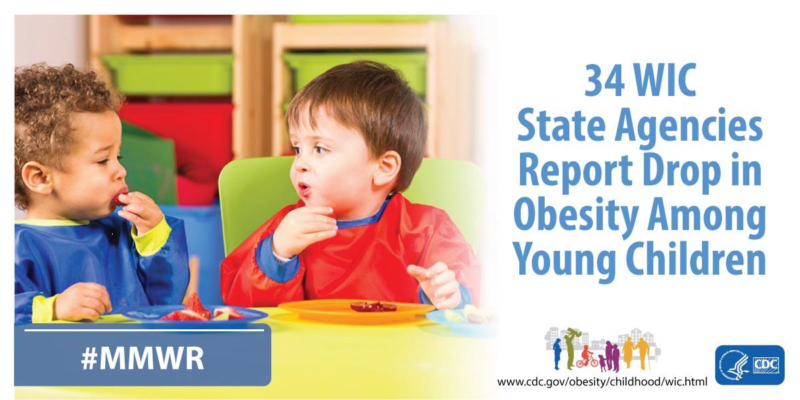
Share On Social!
Thirty-four of 56 WIC State Agencies reported modest decreases in obesity among young children from 2010 to 2014; however, Hispanic children still had higher rates of obesity than their peers, according to the study published in the Morbidity and Mortality Weekly Report,
The CDC worked in collaboration with the United States Department of Agriculture (USDA) to monitor obesity among toddlers aged 2-4 from low-income families using data from the Special Supplemental Nutrition Program for Woman, Infants, and Children (WIC) Participants and Characteristics.
These decreases in obesity rates are likely due to obesity prevention efforts at the community, state, and national levels, such as the USDA redesign of WIC food packages to meet the special nutritional needs of low-income pregnant, breastfeeding, non-breastfeeding postpartum women, infants and children up to five years of age who are at nutritional risk.
Parents, childcare providers, health care professionals, community leaders, state and local officials all have a role to play in creating places that help children be active and offering a healthy diet.
For example, in 2015, the National WIC Association cuts ties with infant formula manufacturers to support breastfeeding mothers.
State and local public health leaders can enroll eligible families into programs such as WIC and encourage Early Care and Education centers to enroll in USDA’s Child and Adult Care Food Program (CACFP).

Explore More:
Healthy Families & SchoolsBy The Numbers
142
Percent
Expected rise in Latino cancer cases in coming years