For many Latinos, the dream of attaining an education beyond high school is unreachable. Whether it is a lack of access, a lack of funds, or a lack of resources, many just do not have the option of going to college. In Massachusetts (10.56% Latino population), some of those barriers are about to be eliminated thanks to an initiative from the state’s STEM Advisory Council. Gov. Charlie Baker announced that the state will pay $326,000 to pay for advanced placement exams in STEM (science, technology, engineering, and math) subjects for low-income students. “Massachusetts has one of the fastest growing innovation economies in the nation, and it is important we continue to develop a strong pipeline of skilled workers to fill critical job openings in STEM fields,” Governor Charlie ...
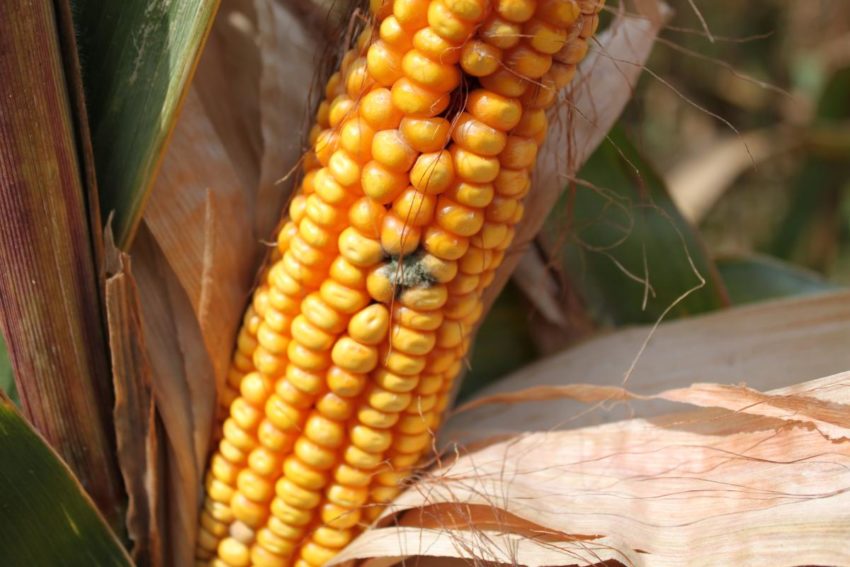
Even as U.S. cancer rates decline, liver cancer rates remain on the rise, especially among Latinos. But why? A new UT Health San Antonio study found that Latinos with liver cancer had much higher levels of aflatoxins than those without liver cancer. Alfatoxins are cancer-causing chemicals produced by mold that can contaminate improperly stored foods. People can ingest aflatoxins in contaminated corn, nuts, rice, sesame seeds, wheat, and some spices. For the study, researchers gauged aflatoxin exposure in 42 liver cancer cases and 42 non-cases from clinics in San Antonio, Texas. Two-thirds of the pairs were Latinos. Liver cancer cases had 6 times higher odds of having detectable levels of aflatoxins in their blood, compared to non-cases. "This study means that Latinos ...
What makes a great teacher? Great teachers not only work hard to ensure the academic success and leadership skills of their students, they also help students develop healthy habits for life. That's why we at Salud America! are excited to spotlight some teachers who have gone above and beyond for the well-being of their students!
Ana Suffle: School Garden Maven
El Paso, Texas, shares its border with Mexico. This creates an interesting cultural dynamic where some students cross the border daily from Mexico to go to Bowie High School in El Paso. Ana Suffle, a 15-year teacher at Bowie, said many students eat cheap, addictive fast food instead of traditional Hispanic dishes filled with fresh veggies, spices and tons of flavor, according to a Salud Hero story by Salud ...
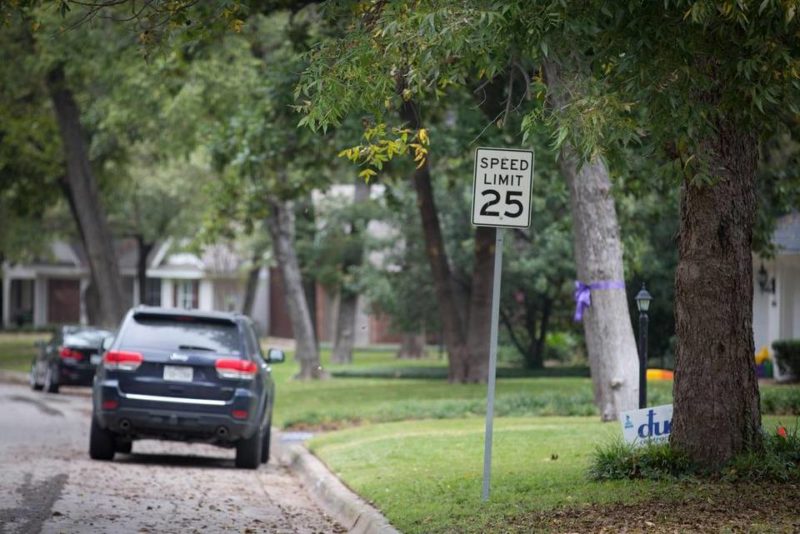
Pedestrians have a 90% survival rate if they are hit by a vehicle going 20 miles per hour, compared to only a 50% survival rate if hit by a vehicle going 30 mph. In 2016, Seattle, WA (6.6% Latino); Alexandria, VA (16.9% Latino); Boston, MA (17.5%Latino); and New York City, NY (28.6% Latino), among other cities lowered the default speed limit in some urban and residential areas by 5-10 mph. Speed is the most important factor to regulate to improve pedestrian safety for Latinos and all pedestrians, and can help boost daily physical activity, which is important for mental and physical health. The founder and director of the Vision Zero Network to eliminate traffic fatalities and injuries, Leah Shahum, says state permission is a key obstacle to traffic safety that cities have ...
Los Angeles, California (48.67% Latino population) is the second largest city in the United States. The city is also one of the largest urban hubs of Latinos in the country. However, the inequity gaps in health, wealth, income, and opportunities for Latinos is rising in the City of Angels. In a report developed by PolicyLink, the USC Program for Environmental and Regional Equity and the Weingart Foundation, a number of “grim” statistics and facts were uncovered. “Across the region, people are struggling daily for the things so many of us take for granted – safe streets, good jobs, access to health care, affordable housing and a quality education for our families,” said Fred Ali, president and CEO of the Weingart Foundation in an interview with Hollywood Patch. “Over the ...
Latino kids who live in areas with higher levels of air pollution have a heightened risk of developing type 2 diabetes, according to a new study. USC researchers tracked 314 overweight/obese Latino kids ages 8-15 in L.A. County. None had diabetes at study start. But by the time kids turned 18, those who lived in areas with high levels of air pollution had 13% less-than-normal efficiency in their insulin-producing cells, making them more prone to eventually developing diabetes, according to USC news. These children lived in neighborhoods that, according to the U.S. Environmental Protection Agency, had excess nitrogen dioxide and tiny air pollution particles that are generated by automobiles and power plants. “Exposure to heightened air pollution during childhood increases ...
Nationally, Latinos are the largest ethnic/racial minority group and they are growing in numbers. They are expected to grow from 1 in 6 people today to 1 in 4 by 2035 and 1 in 3 by 2060. According to recent figures from the U.S. Census Bureau, Latinos represent 40% of the state of Texas’ population and 52% of the state’s public school student population. “[It] is clear that the future of Texas will be increasingly tied to its minority populations, particularly its Hispanic population,” said former state demographer Steve Murdock, who is now the director of the Hobby Center for the Study of Texas at Rice University. “As a result, how well our current minority populations do will be increasingly how well we all do.” In Texas, the education of Latinos is taking on a greater ...
What does "active living" really mean? It means infusing physical activity into your daily life. We shouldn't have to depart from our normal routines to get the mental and physical benefits of moving more and sitting less, which are proven to improve your health and reduce your disease risk. But not all neighborhoods have safe sidewalks or parks, and not all schools and employers provide time or space to be active. This causes certain disparities in adverse health outcomes for certain populations. Let’s use #SaludTues on Tuesday, March 7, 2017, to tweet on how diverse partners can unite to make daily physical activity a reality where Latinos and all people live, learn, work, and play: WHAT: #SaludTues Tweetchat: “How to get Diverse Partners to Buy Into Physical ...
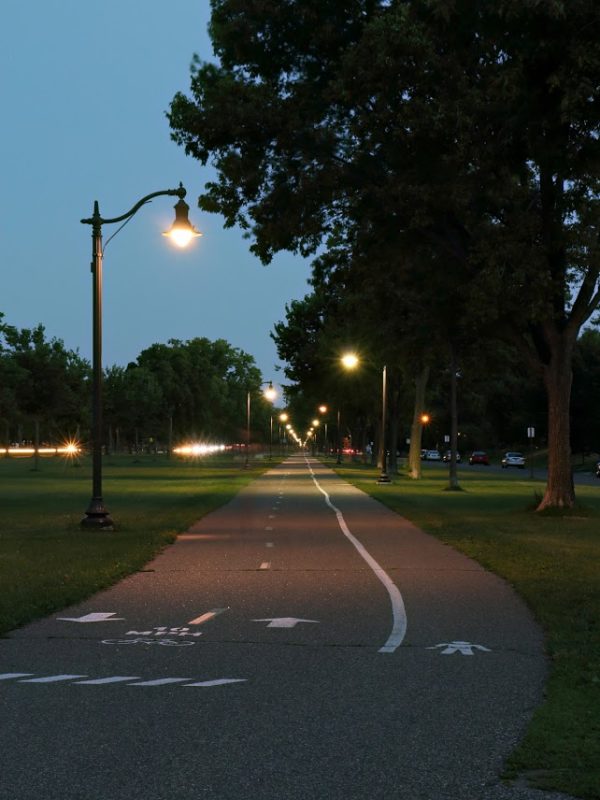
Communities and organizations play a role in developing policies and programs to support walking, biking, physical activity, and healthy communities. Whether for recreation, transportation, work, or household, physical activity improves mental and physical health and reduces risk for chronic disease. In order to reduce health disparities, it is important for communities to ensure that all residents have access to safe places to walk, bike, play and be active where they live, learn, work, play, pray, according to a Salud America! research review. Check out these seven case studies from Voices 4 Healthy Kids and Safe Routes to School National Partnership. They demonstrate successful state- and local-level campaigns to increase physical activity, through active transportation ...