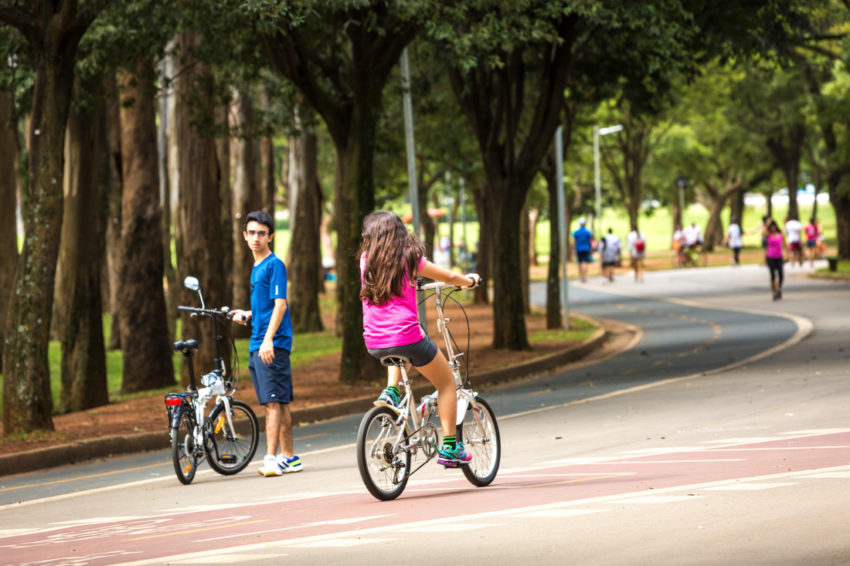
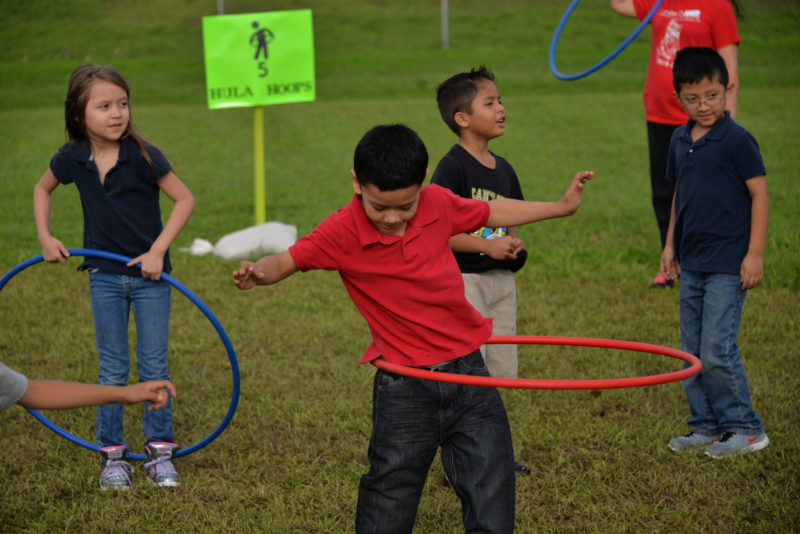
We shouldn’t have to shake up our daily routines to get the mental and physical benefits of physical activity. But for Latino families, physical activity often isn't a daily norm. In fact, Latino-majority schools provide less time for recess and P.E., and Latino neighborhoods have fewer places to walk and play, Salud America! research shows. Let's use #SaludTues on May 23, 2017, to tweet about partnerships, programs, policy changes, and infrastructure that can help Latinos and everyone move more and sit less in the places where we live, learn, work, play, pray, and retire. WHAT: #SaludTues Tweetchat: “Active Living Programs, Policy Changes, and Infrastructure Improvements”
TIME/DATE: 1-2 p.m. ET (Noon-1 p.m. CT), Tuesday, May 23, 2017
WHERE: On Twitter with ...
A study conducted in London from 2010 to 2011 in a secondary girls-only state school found that the SPARK Resilience Program helped prevent depression and increase self-reported resilience in girls 11-12 years old. The study led by Queen Mary University of London (QMUL) looked at over 400 girls reports on their resilience and depression symptoms throughout the study. The SPARK Resilence Program gave students the tools to identify stressful situations and learn how to control negative behavior reactions. SPARK, the acronym behind the program stands for how children can break down their responses to stressful situations and be taught by teachers to their students using the five components: Situation, Perception, Autopilot, Reaction, and Knowledge. School interventions are a ...
Kindergarten is a crucial time for all young students. It is the time when the foundations of fundamental learning skills are laid and can greatly impact the rest of a student’s academic career. Kindergarten is especially crucial for children when it comes to language learning. For Latinos and other low-income kids, they face the additional challenge of having obstacles in place at school and at home. “Children may go from a home with limited physical and psychological resources for learning and language to a school with similar constraints, resulting in a double dose of disadvantage,” said Susan Neuman professor of childhood and literacy education at New York University in an interview with Medine Plus. Neuman and her colleges followed 70 kindergarteners in Michigan (4.72% ...
Physical activity is linked with academic achievement and improved mental and physical health. Sadly, many Latino majority schools do not provide recommended time for recess or quality PE, thus kids fall behind and are at higher risk for chronic disease. On April 20th, 2017, the Governor of Washington (12.4% Latino) signed a new bill (HB 1235) which assesses PE practices in public schools. Effective July, 23, 2017, the bill requires all schools to conduct an annual review of their PE programs, to include: number of students completing PE per year
number of minutes per week of PE
number of students granted waivers from PE requirements
instructors with valid health and fitness endorsements The results of the review will be shared with the school district's ...
Where you live could be impacting your stress levels (and overall health). SmartAsset, a financial company, recently examined the positive and negative factors of the largest 500 U.S. cities to determine the stress levels facing those residents. They rated things like sleep time, commute time, physical activity, and unemployment. Boulder, Colo. (13.9% Latino) ranked as SmartAsset's least-stressed city. The top-10 “most-stressed” cities, sadly, were heavily Latino-populated areas in the Southern U.S.
Why Do Latinos Face Stress?
Unchecked stress can impact your mental and physical health. It can also contribute to high blood pressure, heart disease, obesity and diabetes, which disproportionately impact Latinos. Broward County, Fla. (27% Latino), provides one ...
For many Latinos a lack of access to opportunities keep them from achieving health equity and obtaining financial security. However, a recent study from the financial website WalletHub paints a very positive picture of where things could be heading. Latinos are already the largest ethnic and racial minority in the country and their numbers are growing at consistent and exponential rates. They are already sizable contributors to the nation's economy and with their increasing numbers, they were already expected to add more to in the coming years. However, WalletHub anticipates these numbers to be “nothing short of monumental.” In order to reduce health disparities, it is critical to address inequities in programs, practices, and policies. Join our site, connect with others, ...
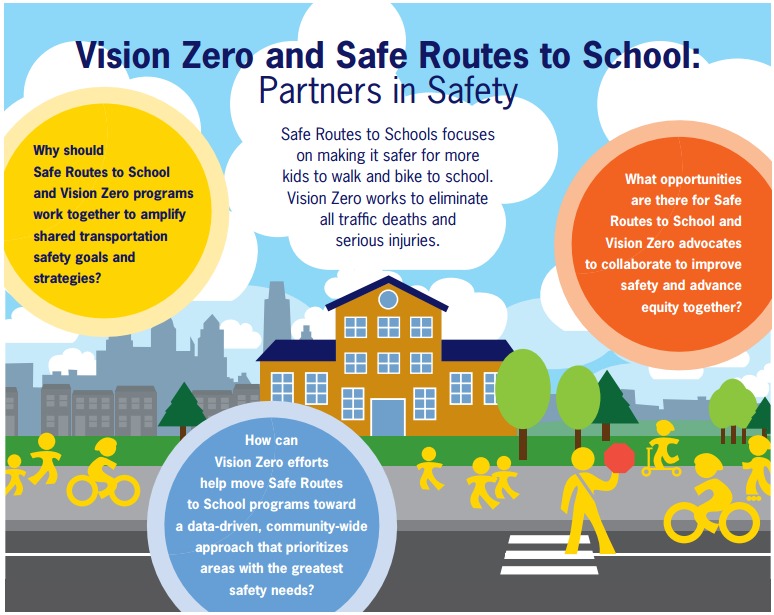
Although walking has numerous mental and physical benefits-and is fun-many people avoid walking if the streets aren't safe, which limits their mobility and access to basic necessities like schools, work, grocery stores, parks, healthcare, and other cultural and historical community resources. When it comes to safe streets, the U.S. lags far behind other countries. Given the inequity in access to safe streets and the disparities in fatalities and injuries among minorities, the issue of safe streets extends far beyond transportation planning and requires collaboration with public health and social justice researchers and practitioners. “We won’t save the number of lives we aim to without shifting our understanding of traffic violence from an individual behavior problem to a ...
Latinos are already the nation's largest racial and ethnic minority group. Their numbers continue to grow and are expected to increase from 1 in 6 today to 1 in 3 by 2060. They also continuously face numerous health disparities compared to whites. Even among Latinos, there are inequities – especially between Latino men and Latina women. According to research, Latino men are much less likely to engage in accessing the healthcare than Latina women. With reasons ranging from cultural – such as stigma and language barriers – to economical, Latino men are far less likely to seek medical treatment, often to greater future detriment. In order to reduce health disparities, it is critical to address inequities in programs, practices, and policies. Join our site, connect ...
Stephen Lucke's life forever when he took a college nutrition class. Lucke, an aspiring doctor who was studying biochemistry at University of the Incarnate Word in San Antonio, Texas (63% Latino) a few years ago, realized that healthy food could help stop people from getting sick in the first place. He was so motivated to help that he immediately helped start a campus wellness program in 2011. He helped start a fruit and vegetable garden on campus a few months later. “I just really became educated about the obesity epidemic,” Lucke said. “You know San Antonio was the most obese city in 2007.”
Food Access Needed in San Antonio
As he worked to maintain gardens on the UIW campus, Lucke began to realize a severe lack of community gardens and a lack of garden ...