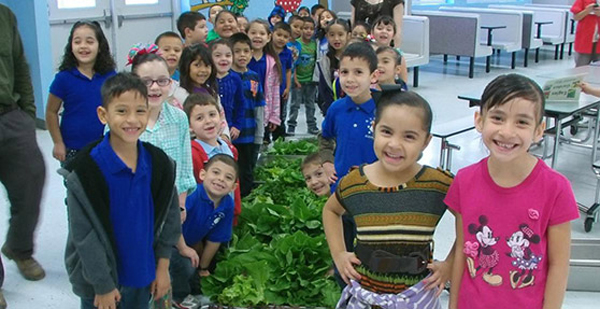
A food desert covers 52% of the Rio Grande Valley on the Texas-Mexico border, according to a recent assessment by the Working on Wellness project at Texas A&M University, the Rio Grande Guardian reports. Food deserts are areas more than 2 miles or 15 minutes away from a grocery store. People in Rio Grande Valley food deserts are predominantly Latino with low income and no transportation, according to the assessment by Working on Wellness. Fortunately, Working on Wellness is taking action to help. “We found out there were still a lot of areas that could be improved in terms of access whether that be walking trails, sidewalks, or healthy food retail-like groceries,” Evelia Castillo, Working on Wellness coordinator, told the Rio Grande Guardian. "So we’ve been working ...
Exposure to green spaces can boost brain development in school children, according to a new Spanish study with big implications for U.S. Latino children who lack access to parks where they live. The new study, which links long-term exposure to green spaces to enhanced cognitive function in Spanish children, was led by the Barcelona Institute of Global Health and the UCLA Fielding School of Public Health. Researchers used MRIs and computerized tests to note children's working memory and inattentiveness every three months. They discovered children who grew up in homes surrounded by green space showed greater activity in the regions of their brain linked with learning. They also showed better ability to engage with others. Children near green space also showed lower levels of ...
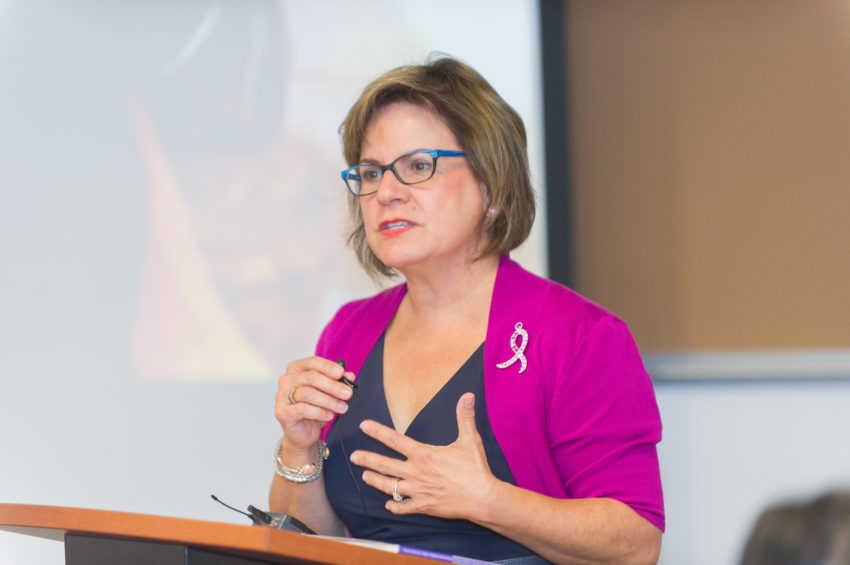
Dr. Amelie G. Ramirez, a top cancer researcher and director of Salud America! and the Institute for Health Promotion Research at UT Health San Antonio, today was named one of 12 new "Komen Scholars" by Susan G. Komen, the world’s largest non-profit funder of breast cancer research. Komen Scholars are an advisory group of distinguished leaders in breast cancer research and leadership. Each scholar—chosen for their knowledge, leadership, and contributions to breast cancer research—will help guide Komen’s $956 million research program, present at national meetings, and serve as experts and leaders for Komen’s nationwide network of affiliates and in communities around the globe. Ramirez, as part of being named a Komen Scholar, will receive $600,000 over three years to study ...
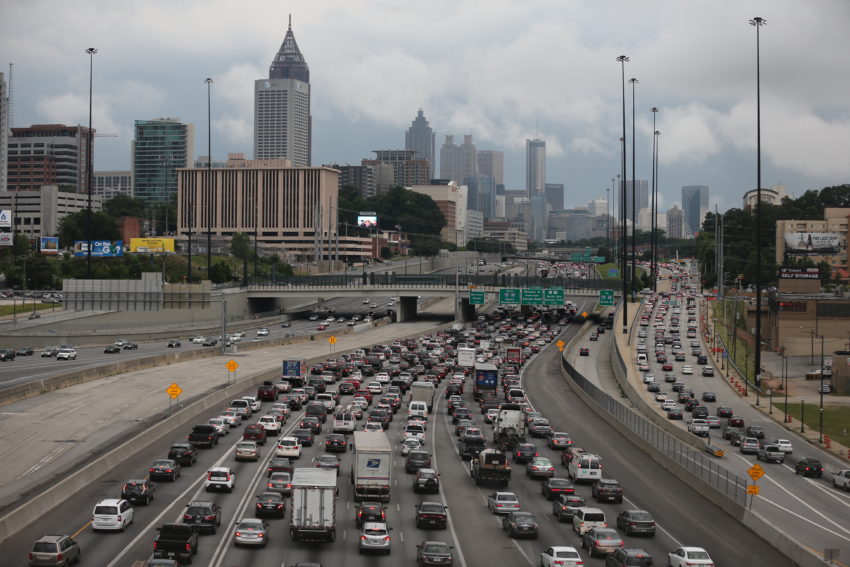
Latinos say they face bigger transportation struggles and public health issues than non-Latinos in Atlanta, and they're willing to pay higher taxes to improve public transportation, according to a new survey. The Atlanta Regional Commission's annual survey ask Atlanta residents their views on transportation, education, health, and more. Overall, residents tabbed transportation as their top concern for the fourth straight year. Transportation is a big deal because it affects day-to-day life. It also affects mental and physical health, professional success, and climate change. Yet, transportation looks very different across the country. Cities with poor transportation options are often burdened by health disparities, economic segregation, and poor air quality. For example, many ...
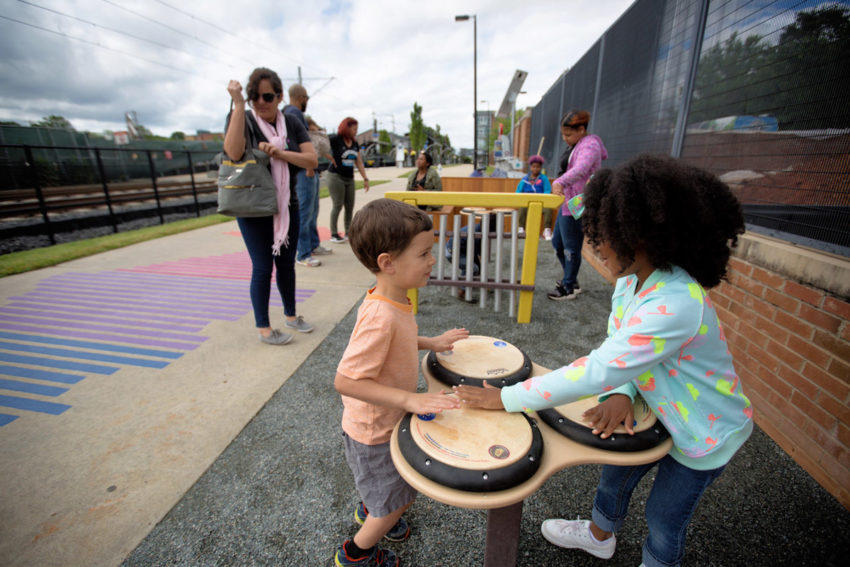
Playing can help a kid's healthy brain development. But many communities are not kid-play-friendly. Latino neighborhoods tend to lack safe places that welcome kids and multi-generational families to play. That's why KaBOOM! created the Play Everywhere Playbook. The Playbook helps cities design healthy play spaces with kids in mind. The Playbook is has four sections built on input from city and community leaders, health experts, urban planners and affected families: Fundamentals: defining what makes a space a PLAYce—wondrous, convenient, inviting, shared, unifying, challenging and intentional
Design guides: streets and sidewalks; parks trails, and public spaces; transit; multi-family housing; commercial spaces; civic spaces; and moveable and pop-up play
Case ...
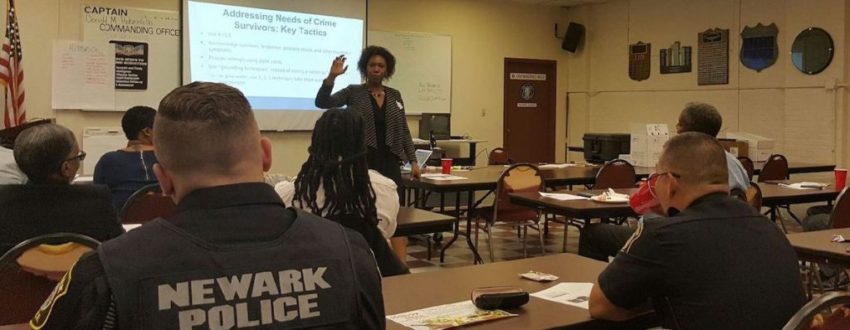
Minorities don't trust police. Police don't trust minorities. You can see this dynamic in any viral video of police-associated violence across the nation. What is harder to see is how this "fraught relationship" impacts the mental, emotional, and behavioral health of both police officers and minorities like Latinos, according to a trustnottrauma.org report. That's why a new program is taking a new approach—trauma training—to rebuild police-community trust and relationships in Newark, N.J.
Why Newark?
Communities rely on police departments to "protect and serve." The police, in turn, rely on community support and cooperation. But this model doesn't always work in harmony, according to RAND. Newark (34% Latino) is a prime example. In 2011, New Jersey's American Civil ...
We want YOU for the Salud America! team! Salud America!, a national program to inspire people to drive community change for the health of Latino and all kids, is hiring for several positions: Digital Content Curator. This position mines Latino childhood health online resources to identify, collect, organize, write, and promote multimedia content (policies, case studies, resources, etc.) for the Salud America! website and e- and social communications in order to build awareness of Latino childhood health issues and drive policy and environmental change among stakeholders.
Scientific Writer. This position aims to provide high-quality, experienced scientific editorial skills to the development of manuscripts and other technical and lay-friendly publications produced by the ...
More than three of four Latinos worry about global warming and climate change, a higher worry rate than their non-Latinos peers, according to a recent English and Spanish survey by the Yale Program on Climate Change Communication. Why are Latinos so worried? What policies can help? How willing are Latinos to take action, and how will that impact health equity and safer streets? Salud America! is excited to launch a three-part series exploring the issue of climate change for Latinos. Today we will tackle what climate change is, why Latinos are worried, and whether they should be. Part 2 will address what kinds of policies Latinos would support to address climate change. Part 3 will focus on a potential solution for both climate change and health equity.
What is Climate ...
Claudia Sanchez Lucas is described by many as humble, a trait learned from her mom and dad. Lucas is also strong and resilient, with a passion for helping people. Lucas has powerful curiosity that can one day help her push science in brave new directions. She’s growing her passion and curiosity as a master’s degree student in public health epidemiology at Texas Woman’s University in Denton, where she also earned a bachelor’s degree in health studies. She is excited to learn more about cancer epidemiology and neuroepidemiology, perhaps envisioning new interventions to stimulate brain health to help talented people maximize their mental capabilities even further. To further her training and education, Lucas applied for the Éxito! Latino Cancer Research Leadership ...