For years, studies have shown that Latinos have a profound mistrust of doctors and scientists. Consequently, Latinos participate in clinical trials at far lower rates than other ethnic groups, which perpetuates the health disparities seen with many diseases like Alzheimer’s and certain cancers. This also makes it harder for researchers to find treatments that work best for Latinos. Minorities actually represent less than 30% of those enrolled in clinical trials sponsored by the National Institutes of Health (NIH), according to a recent report. Latinos comprised less than 7.6% of trial participants. “There hasn’t been a single [prostate] screening trial including a significant number of Latinos or blacks … yet it impacts our practice and we have no data to know if it ...
In Columbus, Ohio (5.8% Latino), the diverse Southern Orchards neighborhood suffers racism, a lack of affordable housing, economic segregation, violent crime, poverty, and expensive medical use. That’s why the whole neighborhood has become a hospital’s “patient.” Nationwide Children’s Hospital saw “unsafe conditions” as their patient’s top symptom. They diagnosed their patient with “unstable housing,” which is known to cause many economic, social, and health hardships, especially for Latinos and other people of color. The hospital prescribed a “housing intervention” and spent the past 10 years revitalizing Columbus’ South Side and Southern Orchards neighborhood through its Healthy Neighborhoods Healthy Families (HNHF) partnership with faith, community, ...
Denver's lack of affordable housing is reaching crisis level. Teachers, police officers, and health care workers were getting "priced out of a city with a glut of quality housing, something many U.S. communities experience today," Next City reports. A group of finance and equity specialists, deal-makers, and policy folks wanted to help. They created a first-of-its-kind initiative called LIVE Denver (Lower Income Voucher Equity). The program, with $1.2 million in city funding, will bring hundreds of 21,000 brand-new, vacant apartment units within financial reach of severely rent-burdened families. Will it help solve the affordable housing crisis in Denver and elsewhere?
Affordable Housing and Health
Access to affordable, safe housing is a priority for maintaining good ...
Food insecurity affects at least 1 in 6 U.S. children. In states like Texas, 15% of children go home from school wondering where their next meal will come from. Sadly, food insecurity is linked to behavioral and developmental problems. It also contributes lower performance on tests, absenteeism, and grade repetition. But there is good news! Texas public schools can address food insecurity and reduce food waste thanks to a new law that allows schools to redistribute food to students by starting its own School Food Pantry! Register for our webinar on Aug. 28 to get free tools to help you start a School Food Pantry in your school. Or bring food pantries to many schools in your district! Our webinar will feature two Salud Heroes, Texas State Rep. Diego Bernal and Jenny ...
The Texas Department of Transportation (TxDOT) wants your input to shape transportation planning and spending across the state for the next 10 years, in what is known as the Unified Transportation Program (UTP). The UTP will guide construction, development, and related activities for 13,000 projects. However, the program prioritizes congestion relief over safety, connectivity, and economic development, says nonprofit Farm & City. You can speak up for transportation that prioritizes Texans’ wellbeing! Copy one of the model public comments drafted by our Salud America! research team, click the “submit” button, and paste the comment on txdot.gov’s comments website by Aug. 20, 2018. Be sure to click “No” in the required field asking if this is a complaint.
Model ...
A leading pediatricians’ group is warning families on chemicals in processed food and the use of plastic food containers, while encouraging more whole fruits and vegetables, according to The New York Times. Previous studies have shown how chemicals used in an array of fast food packaging can be dangerous to consumers. Now the American Academy of Pediatrics, which represents 67,000 of U.S. children’s doctors, have released a statement and technical report that is concerned about rising evidence "that certain chemicals that enter foods may interfere with the body’s natural hormones in ways that may affect long-term growth and development." The pediatrician’s group is asking for further rigorous testing and regulation on the countless of food additive chemicals as well as ...
Cam Juarez knows the bad stats. Latinos are just 2% of visitors to Saguaro National Park, despite being 40% of the population in Pima County, Ariz. They miss a big chance to connect with nature and be physically active. Heck, Juarez himself lived nearby for 26 years before visiting Saguaro. Now Juarez's job—Saguaro's "community engagement coordinator"—is to raise Latino park attendance. And, by mixing cultural events with workforce diversity and bilingual community and school outreach, he's helped raised attendance and at the same time created a model for other parks to solve a national issue: How to get Latinos to come to national parks. How'd Juarez do it?
Latinos, Physical Activity, and National Parks
Cam Juarez was born with a heart defect—likely due to the ...
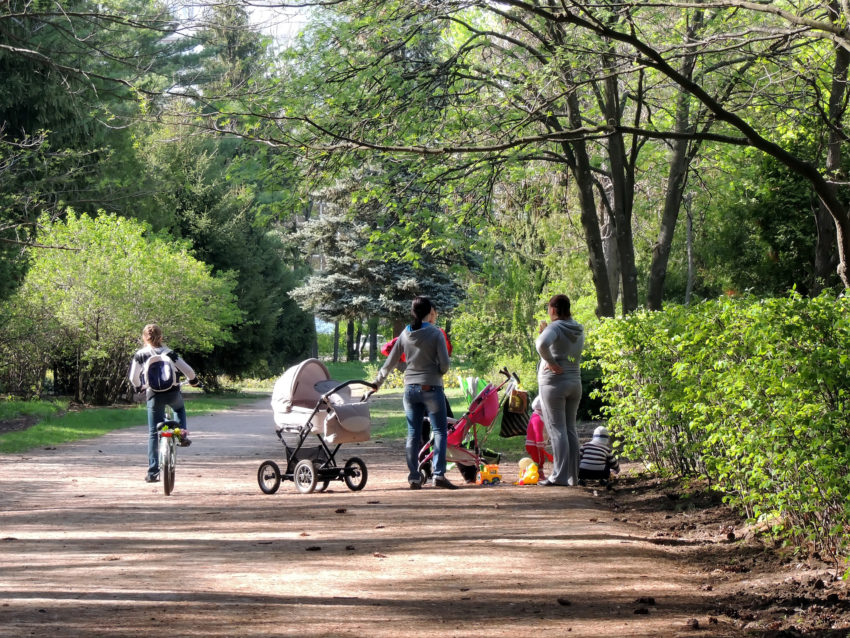
Want to change your life? Walk. Walking can boost your health, the way you live, and your community. As a physical activity, walking changes your body physiologically, improving mental and physical health. As a lifestyle, walking in your local neighborhood and parks can enhance your social and environmental awareness. You'll see things you can’t see while driving. As a driver of community change, walking contributes to building a culture of health through peer-modeling and observational learning. You change your parks and trails simply by being there. Sharing what you see—good and bad—can encourage others to walk and advocate for sustainable, equitable change. UPDATE: Check out the recap on Wakelet. Join us for a #SaludTues Tweetchat on July 24, 2018, to tweet ...
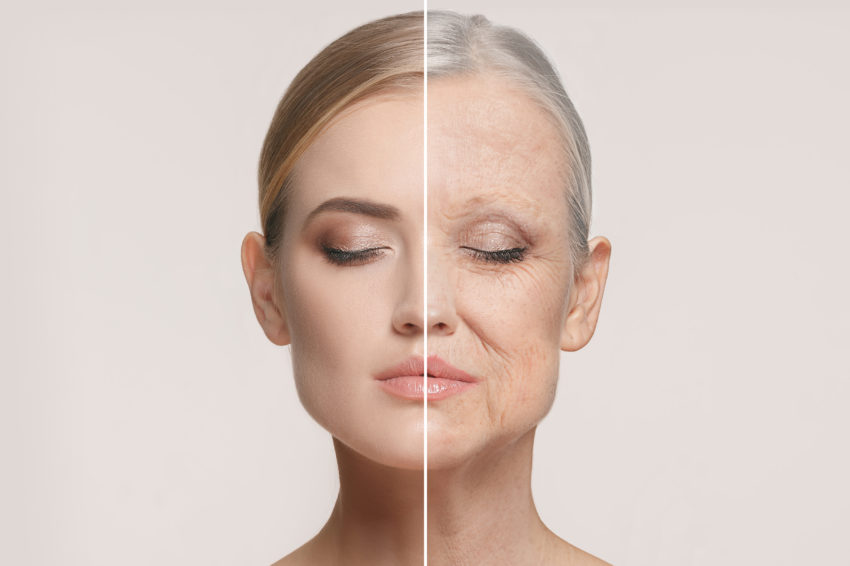
The steady increase in human average life expectancy in the 20th century is considered one of the greatest accomplishments of public health. A person’s rate of aging has important implications for his/her risk of death and disease. Now scientists have developed a blood test that reveals how long a person has left to live, The Guardian reports. Researchers at Yale School of Public Health used a nationally representative U.S. sample to derive a person's “Phenotypic Age” based on 34 a linear combination of chronological age and nine multi-system clinical chemistry measures. The study result suggested that Phenotypic Age is significantly associated with all-cause mortality and cause-specific mortality. If a person’s phenotypic age is higher than their chronological ...