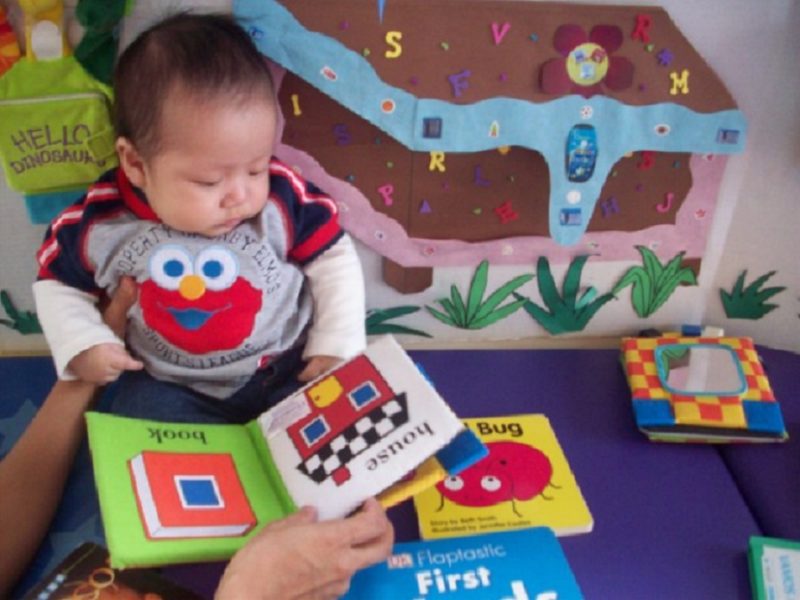
Not all kids start kindergarten equally prepared to succeed. By a child's third birthday, 85% of their brain is fully developed. Children of migrant workers and Latino children growing up exposed to adverse childhood experiences, such as domestic violence, substance use disorder, neglect, and poverty, as well as limited access to healthy food and safe places to play, are at increased risk for developing physical, mental, behavioral, psychosocial, and/or cognitive issues. High-quality early childhood programs can help level the playing field for Latino children on vocabulary and on social and emotional development. With federal funding, the East Coast Migrant Health Start Project serves 3,145 children annually through 26 Head Start centers in Alabama, Florida, North Carolina, ...
Latinos have made great strides in education in recent years, with more enrolling two- and four-year colleges and universities than ever before. However, there is still a significant gap between Latinos and other racial and ethnic minorities in obtaining college degrees. Education is one of the main determinants of health; the more education you obtain, the better your chances for higher paying jobs, financial stability, upward mobility, and better long-term mental and physical health. Overall, the economy has rebounded from the mid-2000s economic downturn. However, according to a new report by the Federal Reserve, those households that do not have a college degree are struggling more than ever. As reported by Reuters, the annual report serves as “temperature check” on the ...
Hannah Lieder, foster mother and founder of Minneapolis Swims, has been working since 2010 to keep open the local Phillips Pool in a disadvantaged neighborhood in Minneapolis, Minn. Why? Lieder knows that children living in low-income, Latino, or minority neighborhoods have historically lacked convenient access to physical activity spaces, particularly swimming pools, compared to white or high-income neighborhoods. These social and environmental inequalities contribute to disparities in drowning rates, physical activity levels, health outcomes and academic achievement. Phillips Pool was in disrepair and under constant threat to be concreted over. Now, six years later, Lieder’s legacy lives on, through Denny Bennett, as crews will break ground on the Phillips Aquatics ...
A few years ago, only 1 in 10 Latino children were screened for autism when they came in for well-child visits at Unity Health Care's Upper Cardozo Health Center in Washington, D.C. None were flagged for autism. The problem? Latino parents often misunderstood the center's written autism screening questions. Questions were designed for English speakers and, even when translated into Spanish, tended to mystify or confuse Spanish speakers, Spectrum News reports. The answer? A Georgetown University researcher created a culturally and linguistically tailored oral screening test where clinicians asked Latino parents the autism questions. Trained multilingual interviewers, and later center clinicians, gave the oral screening to parents. Of 1,400 children screened, 4% were ...
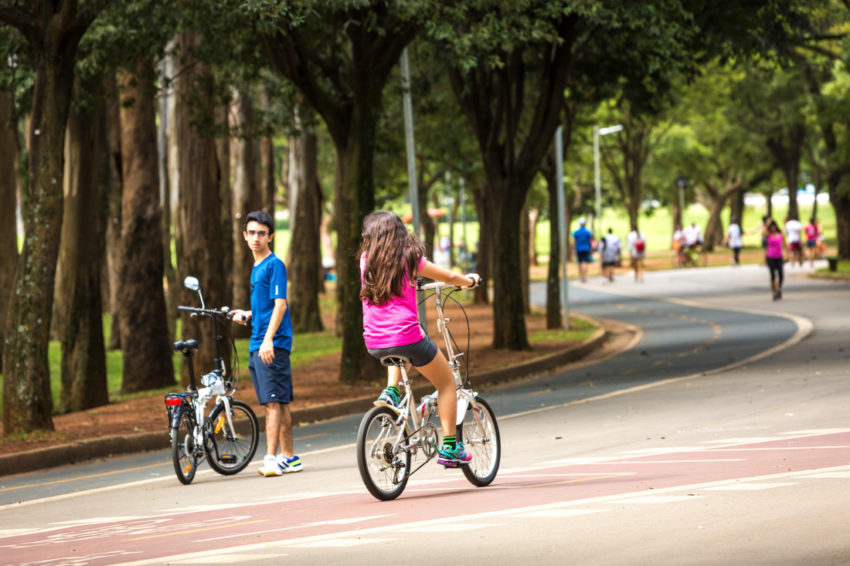
We shouldn’t have to shake up our daily routines to get the mental and physical benefits of physical activity. But for Latino families, physical activity often isn't a daily norm. In fact, Latino-majority schools provide less time for recess and P.E., and Latino neighborhoods have fewer places to walk and play, Salud America! research shows. Let's use #SaludTues on May 23, 2017, to tweet about partnerships, programs, policy changes, and infrastructure that can help Latinos and everyone move more and sit less in the places where we live, learn, work, play, pray, and retire. WHAT: #SaludTues Tweetchat: “Active Living Programs, Policy Changes, and Infrastructure Improvements”
TIME/DATE: 1-2 p.m. ET (Noon-1 p.m. CT), Tuesday, May 23, 2017
WHERE: On Twitter with ...
A study conducted in London from 2010 to 2011 in a secondary girls-only state school found that the SPARK Resilience Program helped prevent depression and increase self-reported resilience in girls 11-12 years old. The study led by Queen Mary University of London (QMUL) looked at over 400 girls reports on their resilience and depression symptoms throughout the study. The SPARK Resilence Program gave students the tools to identify stressful situations and learn how to control negative behavior reactions. SPARK, the acronym behind the program stands for how children can break down their responses to stressful situations and be taught by teachers to their students using the five components: Situation, Perception, Autopilot, Reaction, and Knowledge. School interventions are a ...
Kindergarten is a crucial time for all young students. It is the time when the foundations of fundamental learning skills are laid and can greatly impact the rest of a student’s academic career. Kindergarten is especially crucial for children when it comes to language learning. For Latinos and other low-income kids, they face the additional challenge of having obstacles in place at school and at home. “Children may go from a home with limited physical and psychological resources for learning and language to a school with similar constraints, resulting in a double dose of disadvantage,” said Susan Neuman professor of childhood and literacy education at New York University in an interview with Medine Plus. Neuman and her colleges followed 70 kindergarteners in Michigan (4.72% ...
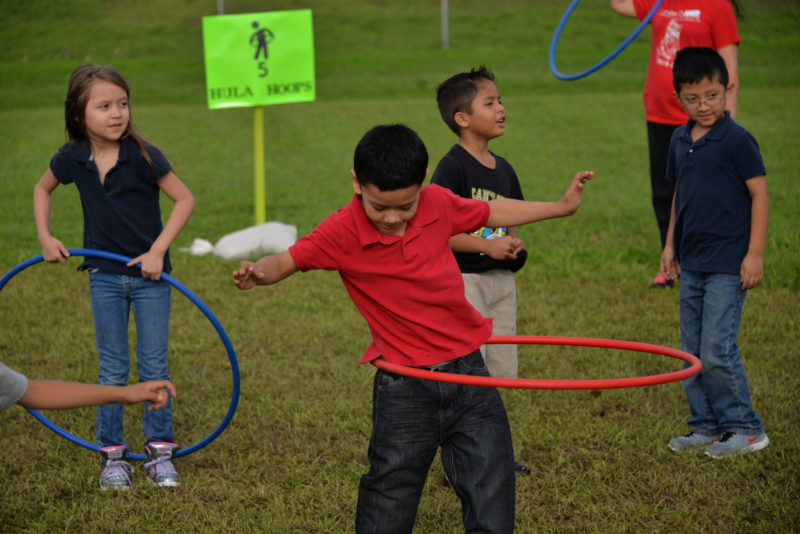
Physical activity is linked with academic achievement and improved mental and physical health. Sadly, many Latino majority schools do not provide recommended time for recess or quality PE, thus kids fall behind and are at higher risk for chronic disease. On April 20th, 2017, the Governor of Washington (12.4% Latino) signed a new bill (HB 1235) which assesses PE practices in public schools. Effective July, 23, 2017, the bill requires all schools to conduct an annual review of their PE programs, to include: number of students completing PE per year
number of minutes per week of PE
number of students granted waivers from PE requirements
instructors with valid health and fitness endorsements The results of the review will be shared with the school district's ...
Where you live could be impacting your stress levels (and overall health). SmartAsset, a financial company, recently examined the positive and negative factors of the largest 500 U.S. cities to determine the stress levels facing those residents. They rated things like sleep time, commute time, physical activity, and unemployment. Boulder, Colo. (13.9% Latino) ranked as SmartAsset's least-stressed city. The top-10 “most-stressed” cities, sadly, were heavily Latino-populated areas in the Southern U.S.
Why Do Latinos Face Stress?
Unchecked stress can impact your mental and physical health. It can also contribute to high blood pressure, heart disease, obesity and diabetes, which disproportionately impact Latinos. Broward County, Fla. (27% Latino), provides one ...