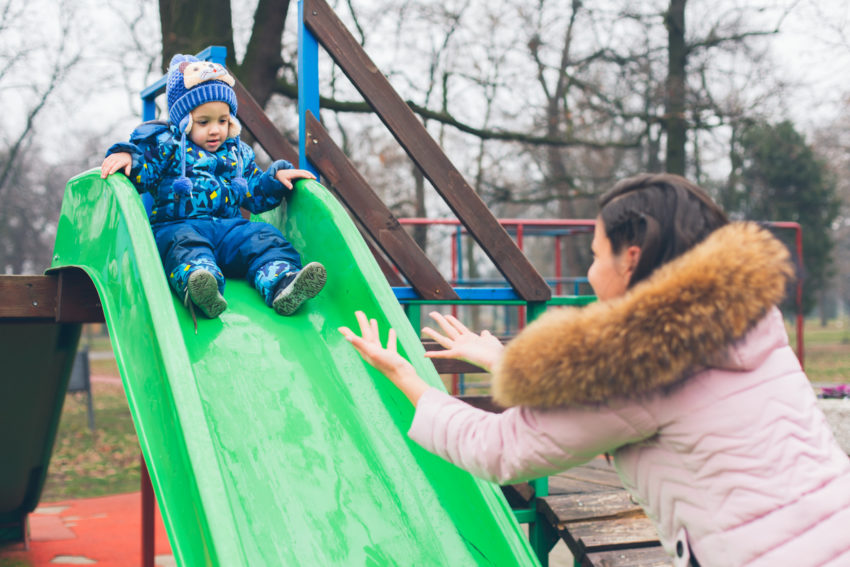
Does your city want to embrace the winter, rather than merely endure it? Apply for Wintermission! Wintermission will coach three U.S. cities to plan, pilot, and implement creative solutions to increase social interaction and physical activity among children, newcomer families, and other vulnerable communities in public spaces during the coldest, darkest months of the year. Applications, offered by nonprofit 8 80 Cities, are due Nov. 29, 2018. “Building a culture of public life outside in winter also helps build a culture of public life in all seasons,” according to the 8 80 Cities website.
Improving Social and Physical Activity in Winter
Fewer people spend time outdoors in the winter, which contributes to lower rates of physical activity and social ...
Immigrants are a part of American society, regardless of ongoing political battles. Schools play a big role in embracing and accommodating the unique socio-emotional needs of immigrant students and their families, well beyond academics. But not all school personnel are equipped to respond to these needs. Fortunately, recent guidelines from the National Dropout Prevention Center can help you and other teachers, administrators, and staff at your school understand and better meet the social, economic, and emotional needs of immigrant students and families. “Meeting the needs of such diverse immigrant child and family situations requires knowledge, commitment, and emotional energy on the parts of school administrators, teachers, and other school personnel,” according to the ...
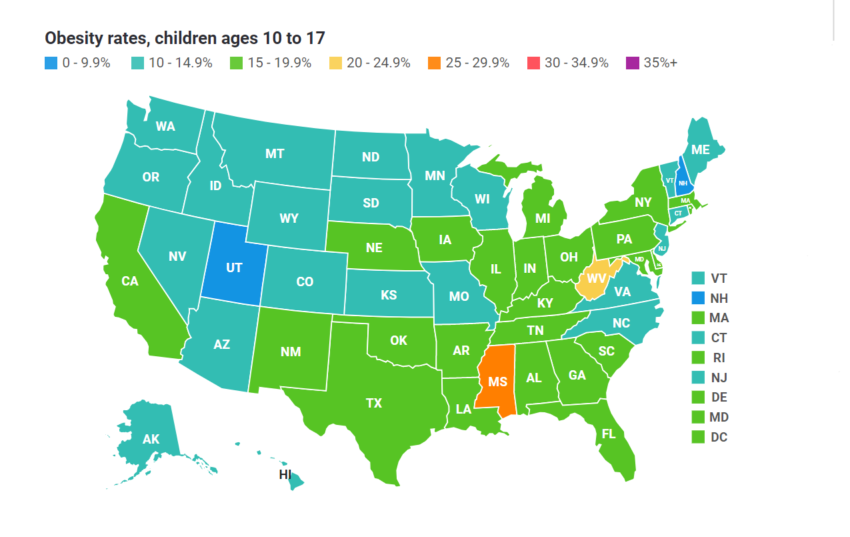
Nationwide, 20.6% of Latino youth and 22.5% of Black youth have obesity compared to 12.5% of white youth, according to a new data report from the Robert Wood Johnson Foundation (RWJF). The new data feature obesity rates among youth ages 10-17 nationally and from each state from the 2016 and 2017 National Survey of Children’s Health (NSCH), along with analysis conducted by the Health Resources and Services Administration’s Maternal and Child Health Bureau. Five states have Latino youth obesity rates over 30%. No states have White youth obesity rates over that mark. “Far too many young people in this country are facing increased chances of diabetes, heart disease, and high blood pressure, all due to a preventable condition … black and Latino youth are still more likely ...
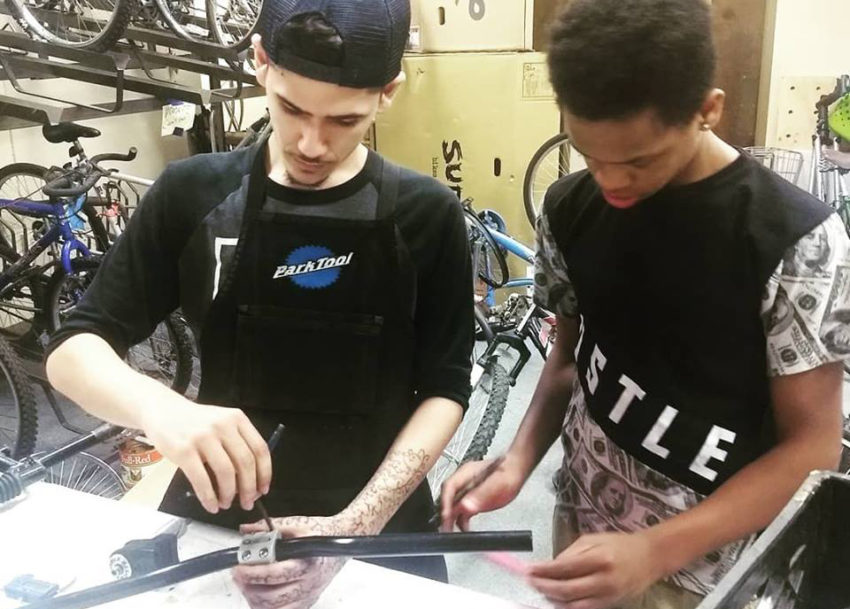
Bicycling shops went extinct in Hartford, Conn. (43% Latino), a few years ago. That’s why, in 2015, the Center for Latino Progress teamed with Hartford Public Schools and Capital Workforce Partners to open BiCi Co.—short for Bicicleta y Comunidad—a community bike shop cooperative run by students. The shop soon became more than a place to get a bike. It transformed into a hub for community connection, civic engagement, and better health, according to Mobility Lab.
How Did They Stimulate Community Connection?
Many people don’t feel an emotional connection to or a sense of membership in their community. Those people are less inclined to take action to improve their own health, according to a 2015 Robert Wood Johnson Foundation survey. Community connection can spur ...
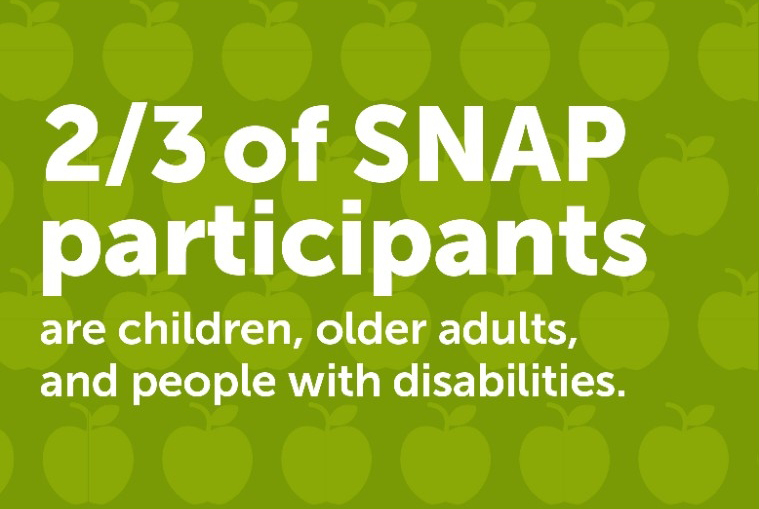
40 million low-income people across the U.S. are in danger of losing a critical lifeline as federal funding for SNAP, commonly known as the food stamp program, hangs in the balance. But just who are these families? What would losing benefits mean? Two new research reports provide an answer.
SNAP & Families
SNAP provides temporary support to help people and families afford food. It is the nation’s largest nutrition assistance program, with $70 billion in funding in fiscal-year 2017. Latinos comprise more than 20% of SNAP participants. But 1 in 11 households who receive SNAP benefits would no longer be eligible under a revised House Farm Bill, according to data from Mathematica Policy Research cited by the recent State of Obesity report from Trust for America's Health ...
No money. No quality childcare. No social or legal support. These big stressors plague many parents, and can spur domestic violence and child maltreatment, hampering a child’s early and future development. Fortunately, Project DULCE is testing a unique solution. DULCE adds a “family specialist” to a child’s pediatric healthcare team. The Family Specialist builds relationships of trust and respect with enrolled families and connects families to social services if they want ─ like food stamps, housing vouchers, and legal services ─ to reduce economic stress and prevent maltreatment. Public health advocates often talk about health and quality of life in an “upstream-downstream” fashion. They want to highlight the importance of prevention and the influence of ...
Latino kids are already at a big disadvantage to achieve a healthy weight. They lack opportunities to engage in physical activity and they often live in a food swamp and/or a food desert. Now, household cleaners may also contribute to the obesity crisis. Multi-surface disinfectants and other household cleaners can be making children overweight, according to a new study published in the Canadian Medical Association Journal. The study suggested that these cleaners alter gut bacteria, specifically Lachnospiraceae. Lachnospiraceae is a family of gut bacteria and are a normal component of our gut microbiota. This family develops during infancy when we gain a greater number of bacterial species, in which, each species decreases or increases over time.
About The Study
The study used ...
As an avid cyclist, Brian Pearson loved riding the new $8 million hike-and-bike trail in his town of Fall River, Mass. (8% Latino). Then he learned a new road project could damage the trail. The 2.4-mile Alfred J. Lima Quequechan River Rail Trail—which fully opened in May 2017 after nine years of work and an $8 million investment by the state to improve mobility and access to safe places to play—was jeopardized when city officials tried to enable a developer to build a road that would have crossed and re-routed the trail. Pearson and others were outraged. They gathered information, attended city meetings, and held a rally. They even hired a lawyer to fight for trail preservation. Would it be enough to save the trail?
Restoring the River The Quequechan River Rail ...
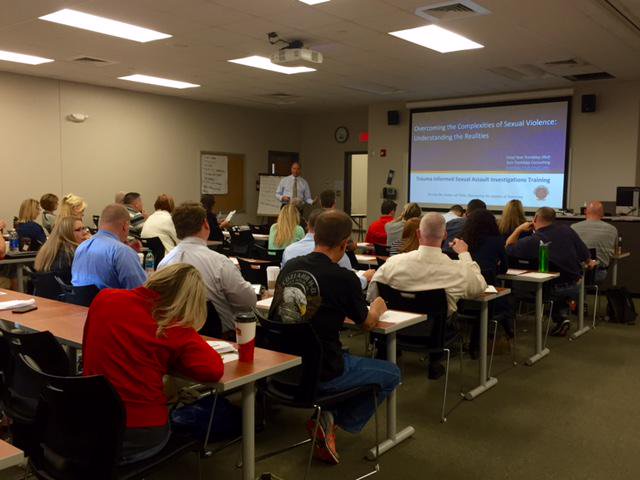
Traumatic events, like sexual assault, physically change our brain, releasing stress hormones which influence perception, reaction and memory. Yet, many law enforcement agencies have lacked the training opportunities, tools, resources, and support needed to effectively address these crimes and the traumatized victims, according to a report from the U.S. Department of Justice’s Office on Violence Against Women. To raise awareness about the neurobiological impact of trauma and trauma-informed investigative strategies, the International Association of Chiefs of Police (IACP) created a two-day Trauma Informed Sexual Assault Investigation Training.
Sexual Assault in the US
One in three women and one in six men have experienced some form of contact sexual violence during their ...