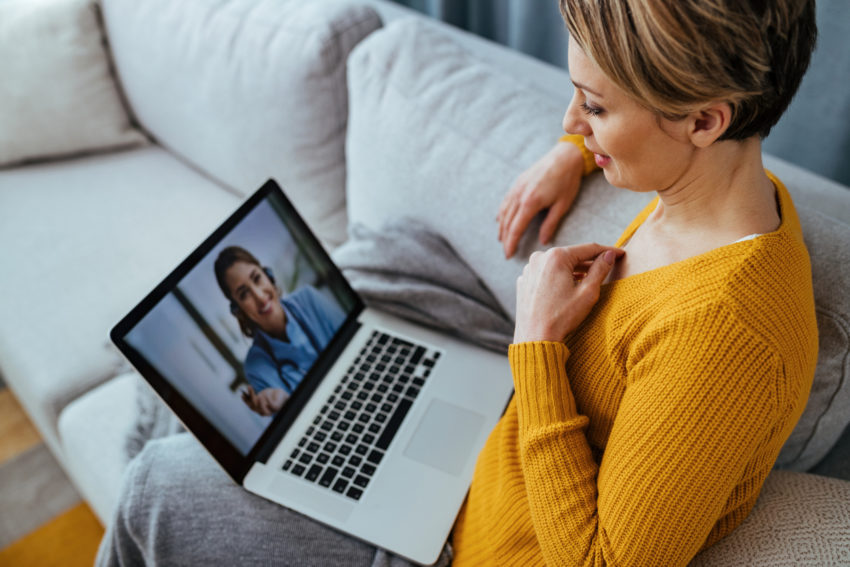
As shelter-in-place orders swept the U.S. during the coronavirus pandemic, healthcare providers’ implementation of telehealth expanded rapidly. In telehealth sessions, those seeking routine check-ups, mental health care, or other services can meet with their provider virtually using computers or other smart devices. This novel way of treating patients aims to look for ways to deliver care to patients in their homes to limit the transmission of the novel coronavirus. "The current public health emergency and the resulting accelerated growth potential in telehealth services is an opportunity for providers to enhance their care practices and for insurers and policymakers to recognize the value of telemedicine," a recent report from UCLA's Center for the Study of Latino health and ...
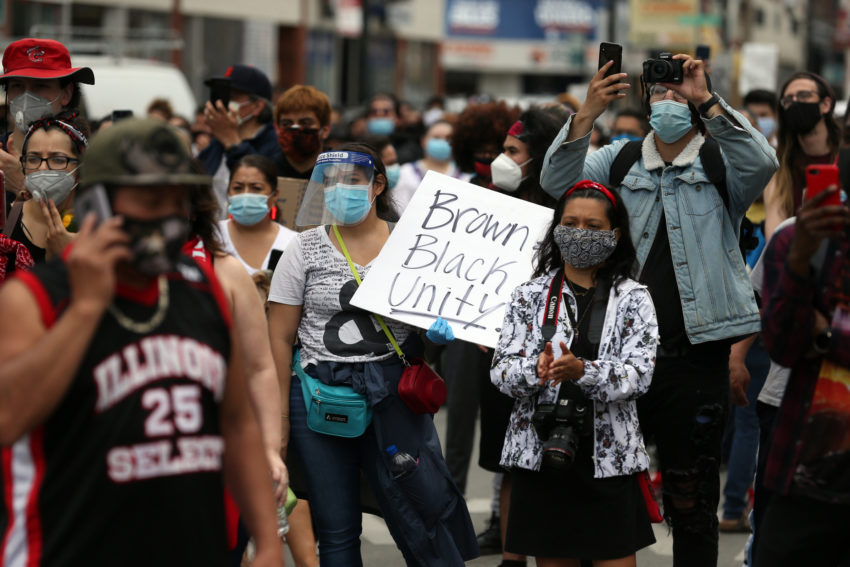
On April 30, protesters, many with guns and without face masks, entered Michigan’s state capitol to resist stay-home orders amid coronavirus, resist mask-wearing, and demand businesses reopen. “Infectious disease physicians and public health officials publicly condemned these actions and privately mourned the widening rift between leaders in science and a subset of the communities that they serve,” reads an open letter signed by 1,288 public health professionals, infectious disease professionals, and community stakeholders across the country. Then, when George Floyd was killed by a police officer May 25, protesters, many unarmed and wearing face masks, took to the streets to promote racial justice. This time, public health professionals responded differently. The noted ...
Wonder what health looks like in your community? Select your county name and get a customized Health Report Card from Salud America! at UT Health San Antonio, which shows your area stacks up in housing, transit, poverty, health care, food, and other health issues compared to your state and nation. The Health Report Card auto-generates local data with interactive maps and comparative gauges, which can help you visualize and explore health issues. Get your Health Report Card! “People can easily email their local Health Report Card to decision-makers, share it on social media, and use it to make the case for community change to boost health,” said Dr. Amelie G. Ramirez, director of the Salud America! Latino health equity program, based at the Institute for Health Promotion ...
Preparing for and overcoming any disaster, such as the current coronavirus pandemic, requires healthy and resilient communities. However, after age, obesity is the biggest risk factor for being hospitalized with COVID-19. And the U.S. has one of the highest obesity rates in the world, with drastic disparities among racial/ethnic groups, including the highest rates among Latinos. To beat COVID-19, we need healthier communities that prevent obesity and leaders who prioritize equitable access to healthy food, housing, and safe spaces to walk and bike instead of space for cars. “We in the U.S. have not always identified obesity as a disease, and some people think it’s a lifestyle choice. But it’s not,” said Dr. Matthew Hutter, director of the Weight Center at Massachusetts ...
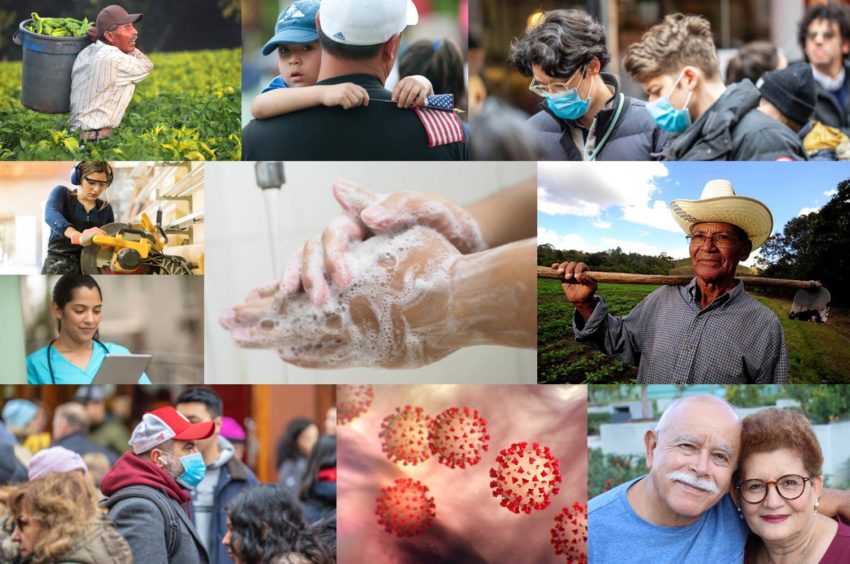
Health equity is where everyone has a fair and just opportunity to live their healthiest life possible. But health inequity remains. Now the COVID-19 pandemic is worsening historical inequities, and disproportionately affecting and killing Latinos and other people of color. So what can we do? We need both immediate focus to ease the coronavirus pandemic and its impact on Latinos and people of color, as well as long-term strides to address underlying inequities that are aggravated during this time. It won't be easy, or fast. But here's few ways to push for health equity.
1. Understand the Need for Heath Equity During COVID-19 and After
Where you live matters for your health. Even before COVID-19, inequitable city planning, historic discriminatory practices like ...
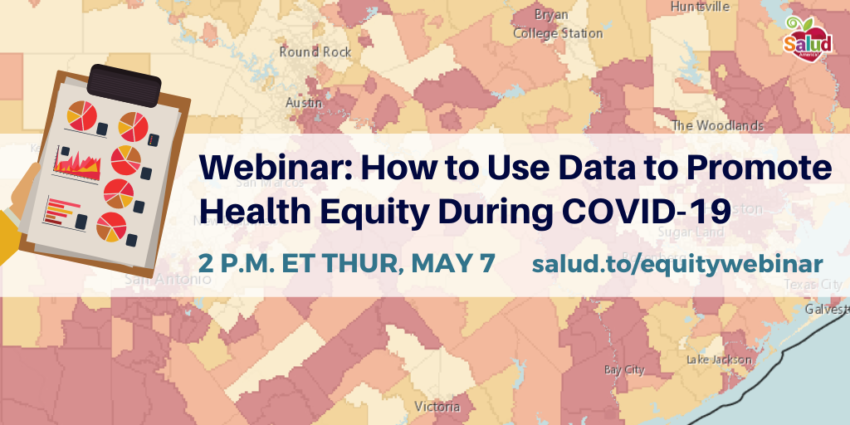
Salud America! led a national webinar to show how our Salud America! Health Equity Report Card can help you visualize and explore place-based health inequities in your county, and build a case toward solutions during these difficult coronavirus times. The webinar, “How to Use Place-Based Data to Promote Health Equity During COVID-19 Pandemic,” took place at 2 p.m. ET Thursday, May 7, 2020. Webinar speakers explored: How inequities in housing, transportation, poverty, healthcare, and access to healthy food and safe places to be active, contribute to disparities in infectious and chronic disease.
How you can use the local data, interactive maps, and comparative gauges in the Salud America! Health Equity Report Card to identify health inequity issues in your county.
...
With the rise of COVID-19, our team at Salud America! is digitally curating content about what the coronavirus pandemic means for Latino health equity. We want to ensure Latinos get an equitable share of culturally relevant information. You can do your part! Share our Latino COVID-19 Vaccine "Change of Heart" Bilingual Storytelling Campaign in English or Spanish. We hope to move Latinos from vaccine hesitancy to vaccine confidence through telling stories of real Latinos who ended up getting the vaccine! Share our "Juntos, We Can Stop COVID-19" bilingual campaign to stop the spread! Share our infographic on 8 ways coronavirus impacts Latinos (English | Spanish).
Follow our content that has increased exposure to Latino health equity amid the pandemic, according to a ...
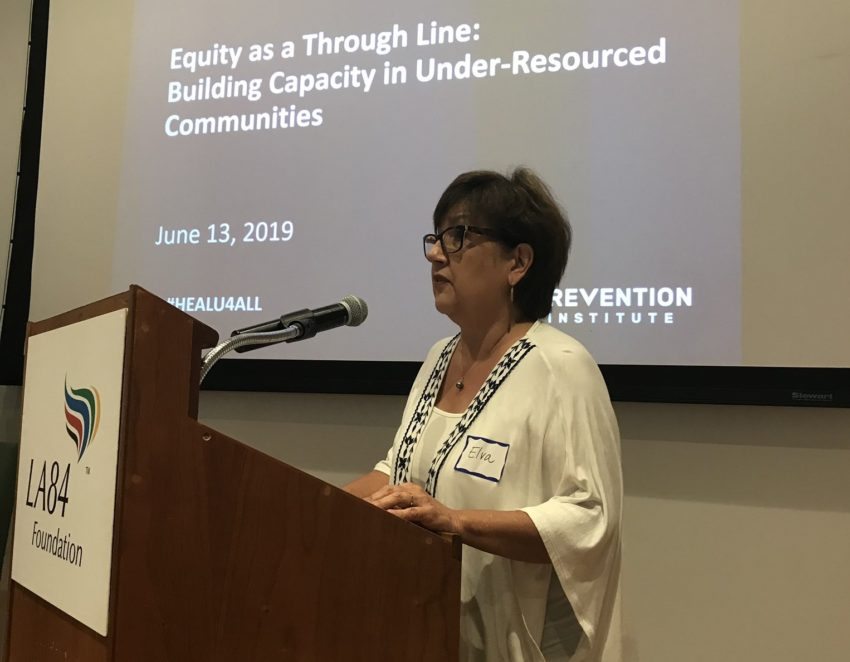
Elva Yañez—with her neighbors and allies—waged a campaign that has lasted over 15 years to preserve one of the last unprotected open green spaces in her Northeast Los Angeles community of El Sereno. Before working on healthy equitable land use issues, she worked in tobacco control. When she recognized similarities in the way tobacco companies and land developers fought to protect private interests from government regulation, she began using tobacco control tactics to fight for environmental justice. With the help of others, she led an effort to stop one particularly harmful residential development in her community that had serious public health and safety consequences. Throughout the campaign she knew she wanted to go upstream and address the systemic conditions that allowed ...
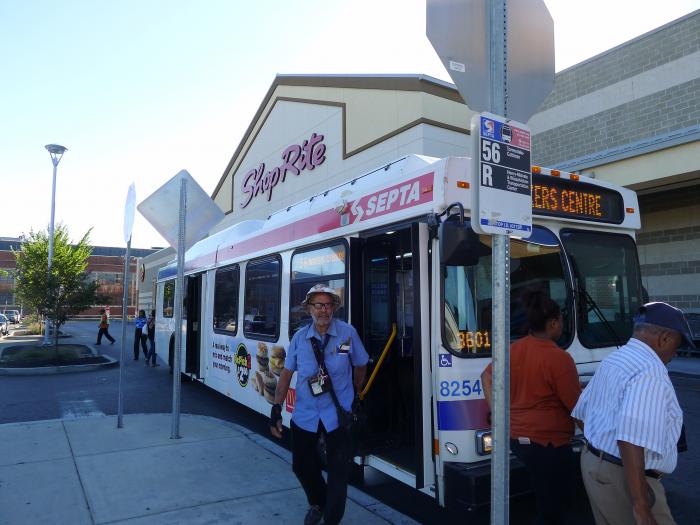
Everyone deserves a safe and reliable way to get to healthy food—whether a supermarket, corner store, food bank, farmers market, or community garden. Unfortunately, many Latinos and people in low-income communities, rural communities, and communities of color are disproportionately burdened by long and unreliable commutes, as well as unsafe routes to nutritious food. That’s why the Safe Routes to Healthy Food Task Force worked for two years to refine the concept of safe routes to healthy food. Now they’ve released a new report with policy implications, opportunities, and recommendations. “This collaboration demonstrated that improving access to healthy foods for people without cars can be improved by a variety of sectors, including: transportation, healthy food access, ...